

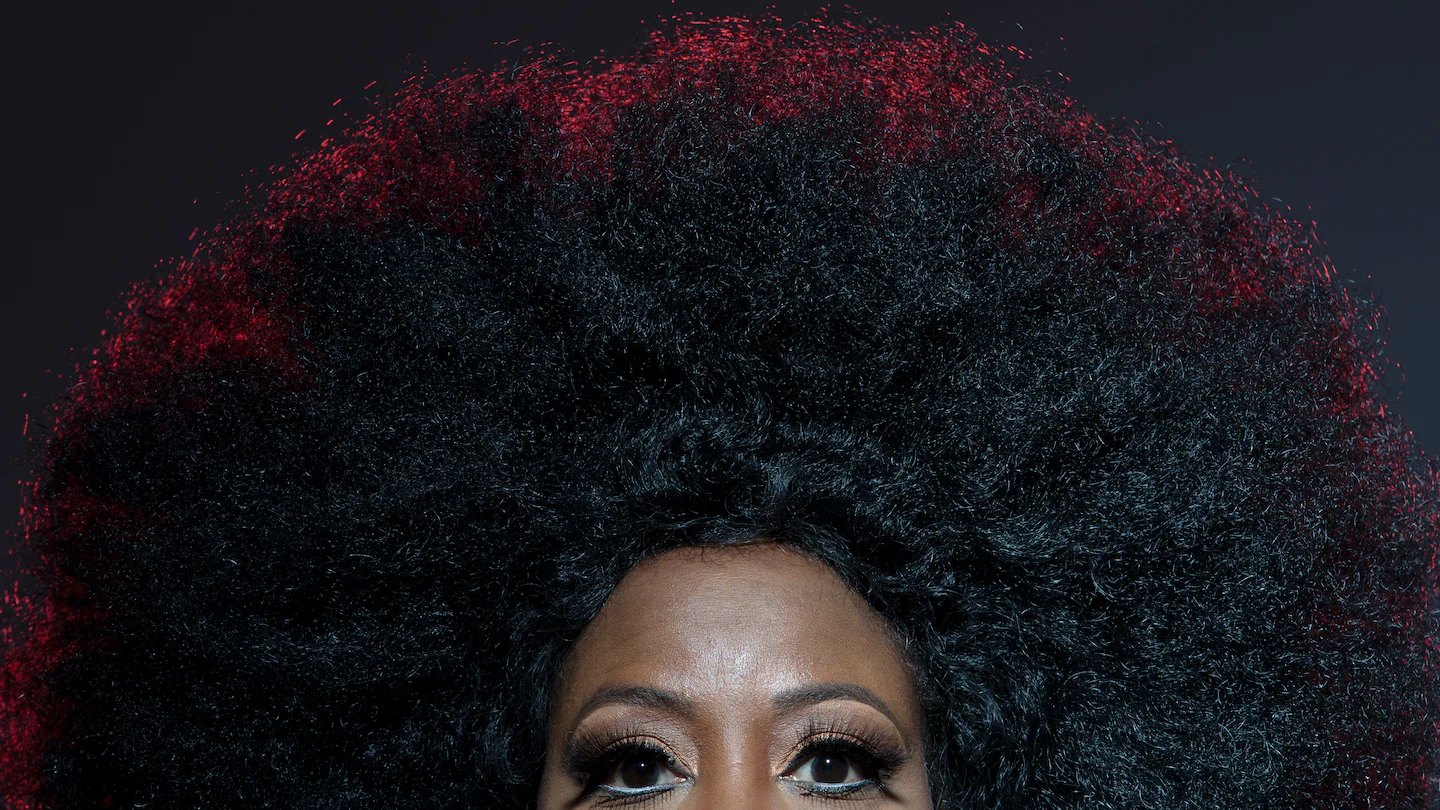
Hair: It grows, it falls, we braid it, cut it, dye it and cover it. Yet somehow, hair has always been more than just strands on our heads. For women especially, hair is deeply political. It carries the weight of culture, identity, beauty standards and even rebellion. To understand the politics of hair is to understand how society tells women who they are allowed to be.
From the moment we are little girls, our hair is not just our own. Mothers, aunts and grandmothers gather us between their knees to comb, braid or style our hair. These moments can be tender, even bonding, but they also carry unspoken rules. Don’t leave the house with hair ‘unkempt’. Don’t let it grow ‘too wild’.
Don’t choose a style that looks ‘too masculine’. I remember how when I was in primary school, my head teacher used to hate unkempt hair that he would call it ‘kushakata’ and you’d get a good hiding for coming to school with wild hair. Hair becomes a canvas for respectability, a silent language of belonging and acceptance.
Though, acceptance by whom? In many African societies, natural hair – kinky, coily, textured – has long been a marker of identity. Yet, under colonial influence, women were often pressured to straighten, relax or hide their natural hair to appear ‘civilised’ or ‘professional’. That legacy lingers. Even today, women are told their natural hair is ‘unprofessional, their afros ‘too political’, their braids ‘too distracting’. Hair, in this sense, becomes a border checkpoint: A way for gatekeepers to decide who gets access to jobs, schools or respect. Take the scholarship interview for example, we all know exactly how to show up with our hair, otherwise you’ll be going back home with no scholarship.
For many women, the decision to ‘go natural’ is, therefore, not just aesthetic – it is revolutionary. Choosing to embrace one’s natural hair can be an act of defiance against systems that have long tried to erase or discipline it. It is saying: My hair is not a problem to be fixed; it is part of my identity. At the same time, some women continue to relax, straighten or wig their hair, not because they hate their natural texture, but because survival in a biased world often requires compromise. That, too, is political -the politics of navigating choice in a society that punishes authenticity.
Then there is the question of women policing each other’s hair. Too often, women shame other women for their choices: ‘Why hide under a weave?’, ‘why cut it so short?’, ‘why not embrace what God gave you?’ These judgments ignore the reality that hair is not only personal, it is strategic. A woman who shaves her head may be reclaiming her body after trauma of an abusive relationship. A woman who wears wigs may be protecting her hair from damage, like the weather especially the sun. A woman who straightens her hair may simply want variety. The real feminist stance is not to dictate women’s choices, but to defend their right to make them freely.
The politics of hair is also intergenerational. For older women, certain hairstyles may symbolise tradition, while for younger women, they symbolise restriction. A shaved head, once a marker of mourning or discipline, has been reclaimed by some as a badge of boldness. Braids, once dismissed as ‘primitive’, are now celebrated on runways worldwide. Every strand of hair tells a story of resistance, of assimilation of innovation.
Ultimately, hair reflects society’s obsession with controlling women’s bodies. When a woman’s hair is too short, she is mocked. When it is too long, she is sexualised. When it is uncovered, she is judged. When it is covered, she is judged again. Women are trapped in a cycle where their hair is always up for debate, rarely just their own.
Nevertheless, hair can also be liberation. Think of the joy of unbraiding after weeks, the freedom of a big chop, the pride of walking into a room with your afro haloing in defiance. Think of the intimacy of women sharing hair secrets, trading tips and celebrating each other’s styles. For every story of policing, there is a story of empowerment – of women using hair to express creativity, identity and strength.
In the end, the politics of hair is not really about hair at all. It is about control, identity and power. Whose standards do we follow? Whose approval do we seek? Furthermore, whose voices do we silence when we shame another woman’s choice?
Perhaps, the most radical act is to remember: Hair belongs to the woman who wears it. Whether natural or straightened, braided or shaved, wrapped or free-flowing, hair is not a manifesto until we make it one. It is not political until society forces it to be. When that happens, the most powerful response is to claim it boldly, unapologetically, as our own.











Leave a comment