

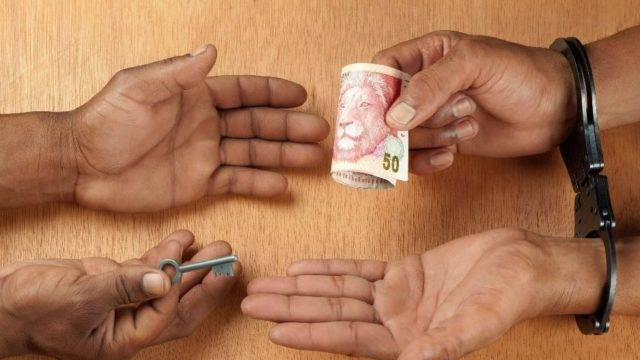
Corruption remains one of the most devastating forces, crippling the progress of Eswatini and the African continent at large. While the consensus is that corruption weakens economies, its true cost extends far beyond lost revenue; it reaches deep into the personal lives of citizens. It affects the young liSwati struggling to secure a scholarship, the unemployed graduate waiting for an opportunity and even the employed parent who cannot make ends meet because public funds have been misused. This discussion explores the profound and lasting damage corruption inflicts on individuals, communities and nations, and what can be learnt from nations that have successfully fought it, such as China and Japan.
The first and, perhaps, most tragic cost of corruption is the loss of opportunity. Every time public resources are stolen, a young dream dies somewhere in our kingdom. The scholarship fund that could have helped a gifted child pursue medicine or engineering is diverted into the pockets of an official. The money meant to equip schools, train teachers or provide sports facilities disappears into private accounts. Corruption does not just steal money; it steals futures. It robs the country of its most promising minds and talents. When an intelligent young liSwati fails to continue their studies because the bursary funds were misappropriated, the nation loses a potential doctor, teacher, artist or inventor. These ‘lost opportunities’ multiply over time, creating a generation that feels disillusioned, neglected and powerless.
When talented citizens are denied fair opportunities, they often look elsewhere. Eswatini, like many African nations, faces a growing ‘brain drain’. Young professionals, engineers, doctors and academics leave for countries where merit is rewarded, where hard work matters more than personal connections. Nigeria provides a powerful example. It is one of Africa’s most resourceful nations, yet some of its best scientists, scholars and professionals live and work abroad. They contribute immensely to the global economy, but their homeland continues to struggle with inadequate leadership, unemployment and mismanagement. In Eswatini, when talented emaSwati leave for South Africa and abroad because corruption has closed all doors at home, it weakens our national development.
Corruption is not only immoral; it is economically destructive. It distorts markets, discourages investment and breeds inefficiency. Beyond that, corruption can turn intelligence into a weapon against society. There is nothing more dangerous than a smart person with criminal intent. When talented individuals, frustrated by an unfair system, turn to illegal activities, the economy suffers doubly. They could have been entrepreneurs, scientists or industrialists, but instead they became economic saboteurs and criminals. The form of criminal syndicates perpetuates organised crime, which is even more difficult for the State to fight.
Corruption also destabilises governments. Across Africa, many coups and political uprisings have been rooted in anger over corruption and inequality. When leaders enrich themselves while citizens suffer, resentment builds until it erupts. Some of these coups have been led by intelligent but embittered individuals, who saw corruption destroy their countries. Unfortunately, because many of these leaders lacked proper education or preparation, they often repeated the same corrupt practices once in power.
Perhaps, the most dangerous form of corruption is not in stolen money, but in a corrupted mindset. When corruption becomes a culture, it becomes invisible, normalised, even celebrated. In Eswatini, people often ask: “Who do you know?” before doing anything they need to know someone. It has become common to expect a ‘drink’ (lokuncane) or a ‘token of appreciation’ (emantjontjo) for services that are supposed to be free. This culture makes it almost impossible for honest people to succeed and discourages young people from believing in fairness or merit. Once corruption becomes part of everyday life, eradicating it requires more than laws – it requires a moral revolution led by His Majesty the King himself.
Corruption is like a slow poison that weakens leadership from within. When leaders accept bribes or misuse funds, they lose their independence.
They become vulnerable to blackmail and manipulation. Their lifestyle exceeds their legitimate income, forcing them into deeper corruption to maintain appearances and that new lifestyle. A compromised leader cannot fight corruption because they are entangled in it. Corruption is not passive; it defends itself fiercely. Those benefitting from it will resist change through threats, intimidation or manipulation. That is why fighting corruption requires courage, unity and decisive action. China provides one of the world’s strongest examples of how corruption can be confronted. For decades, China has maintained a zero-tolerance policy; public officials caught stealing from the State face severe punishment, including the death penalty. Japan also provides an inspiring model. There, public shame and strict accountability laws keep corruption remarkably low. Japanese leaders understand that public office is a sacred trust, not a personal privilege. A Japanese minister bowed for 40 minutes at a community hall as an apology for poor service delivery in one community.
The true cost of corruption is not measured in billions of Emalangeni lost, but in dreams deferred, talents wasted and trust destroyed. Every liSwati must understand that corruption steals from their future and from the future of their children. If Eswatini is to rise, we must rebuild our nation on the pillars of honesty, justice and accountability. We must make corruption shameful and corrupt official must be publicly exposed and shamed. Let every citizen, from the humblest villager to the highest leader, commit to integrity. We are all related, but let us not make these relationships mean preference in giving out services. Only then can we unlock the full potential of our people and cross into a new era of prosperity and pride. Comment septembereswatini@gmail.com


















Leave a comment