

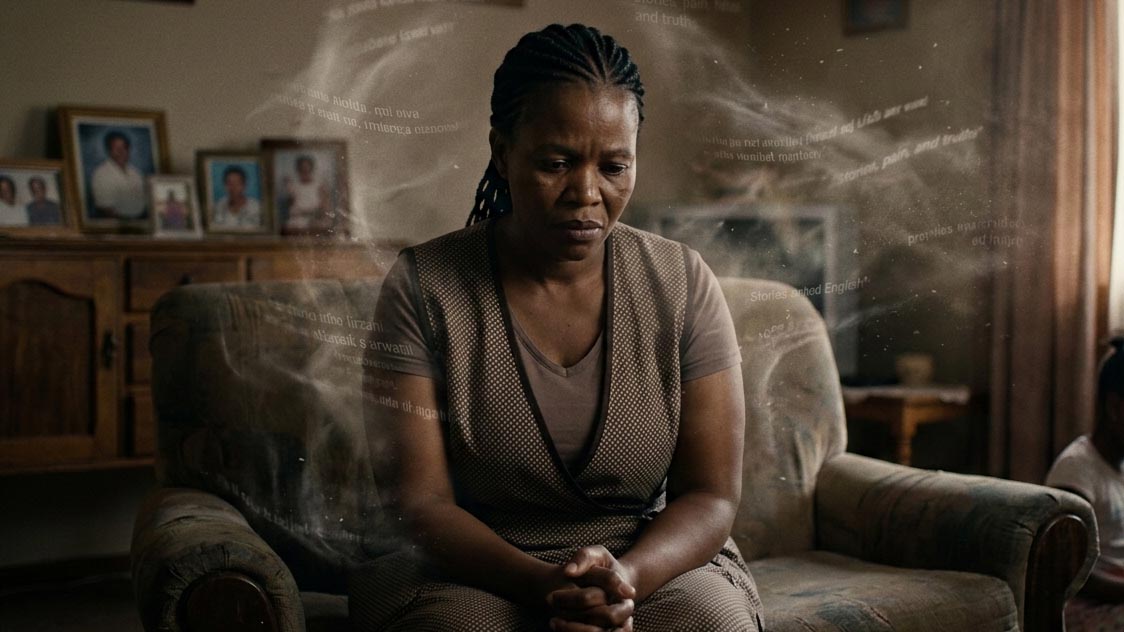
There is a particular kind of silence that exists in our homes, our families and our communities. It is not the peaceful quiet of a calm evening or the gentle pause between conversations. It is a heavier silence, one that carries stories, pain and truths that many women are taught never to speak aloud.
This is the invisible silence. It is the silence that lives in the space between what happens to women and what women are allowed to say about it. Across many societies, including our own, girls are raised with an unspoken curriculum about silence. From a young age, they are taught that dignity is linked to restraint, that respectability is tied to discretion and that family honour often depends on what a woman chooses not to say. So we learn.
We learn to swallow discomfort at the family gathering when an uncle’s jokes cross a line. We learn to keep quiet when someone tells us that ‘good women do not complain’. We learn that speaking too loudly about injustice might bring shame, not to the person who caused the harm, but to the woman who dares to expose it. In this way, silence becomes inherited.
It passes quietly from one generation of women to the next, disguised as wisdom, maturity and cultural respect. Our mothers and grandmothers often carried it before us, sometimes not because they wanted to, but because the world around them gave them few safe alternatives. And yet, silence is rarely neutral.
When silence surrounds violence, it protects the perpetrator. When silence surrounds discrimination, it preserves inequality. When silence surrounds pain, it isolates the person who is suffering.
Perhaps the most dangerous thing about invisible silence is how normal it becomes. Over time, communities adjust to it. People begin to assume that if something serious were happening, someone would say something. But what if the very conditions of society make saying something almost impossible?
Women who speak out often face a different kind of punishment. They may be labelled disrespectful, dramatic, disloyal, or even attention-seeking. In some cases, they risk losing relationships, social standing, or financial support. Silence, then, becomes a form of survival.
For many women, it is not weakness that keeps them quiet. It is a calculation. It is the quiet understanding that speaking the truth in a society that is not ready to hear it can come with consequences. But silence also carries a cost. Unspoken experiences do not simply disappear. They settle inside people. They shape how women move through the world, how they trust others and how they understand their own worth.
Invisible silence is also what makes certain injustices seem smaller than they truly are. When every woman believes she is alone in her experience, the problem appears isolated. But when stories begin to surface, a different picture emerges, one that reveals patterns rather than exceptions. This is why the act of speaking, even softly, matters.
Breaking the silence does not always mean shouting from the rooftops. Sometimes it begins with a conversation between friends. Sometimes it begins in support groups, in counselling rooms, in community dialogues, or in quiet moments where one woman tells another: ‘You are not alone.’ These moments chip away at the walls that silence has built. They remind us that the issues women face are not individual failures, but social realities that require collective attention. Of course, dismantling invisible silence does not mean abandoning cultural values such as respect and dignity. Rather, it means reimagining them. A community that values dignity should also value truth. A culture that values respect should also protect those who speak about harm.
True respect cannot thrive in silence that hides injustice. As we move forward as a society, perhaps the question we should ask ourselves is not why women speak, but why so many feel they cannot. What would change if women knew they would be believed? If communities chose compassion over judgment? If families understood that protecting their reputation should never come at the cost of protecting their daughters?
















Leave a comment