

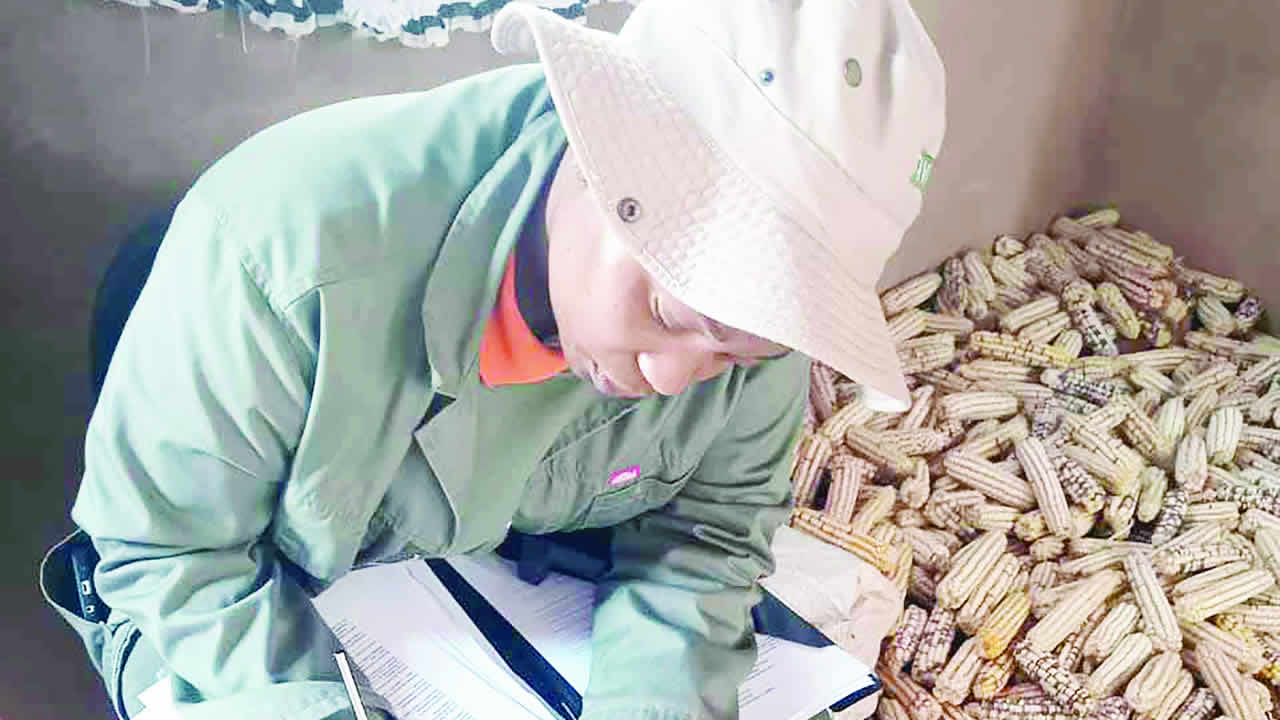
Over the past weeks, the Eswatini Plant Genetic Resources Centre (NPGRC) or Genebank has been visiting local communities in different areas of the country collecting traditional vegetables. The Genebank Manger, Thandi Lupupa mentioned that the Genebank is mandated with the collection, conservation, characterisation, documentation and making available seed samples to end users (researchers, breeders, farmers, etc). “The utilisation of crop diversity using agroecological methods offers a resilient approach to agriculture that aligns with Indigenous Knowledge on selecting, saving and sharing planting material,” she shared.
The collection mission was carried out by the NPGRC (Ingungu yetinhlanyelo) in collaboration with the World Vegetable Centre, Eswatini Office and the Agriculture Extension Services.
Why the need for collection
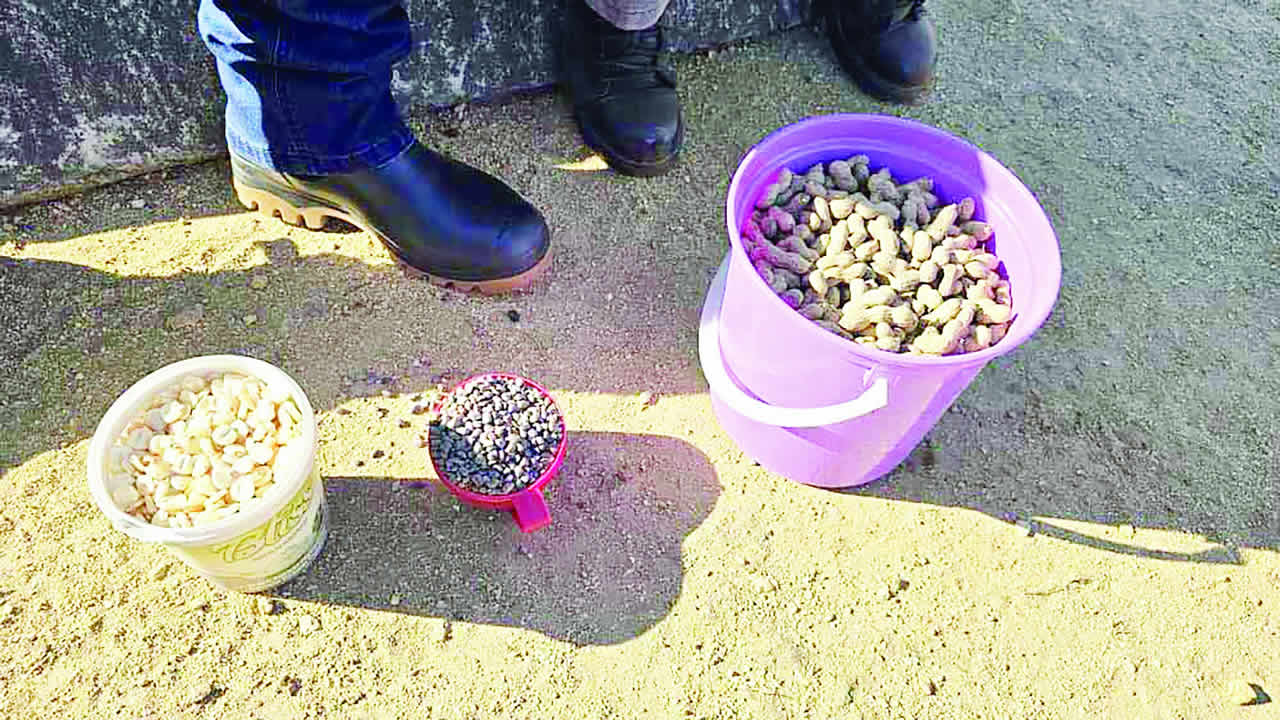
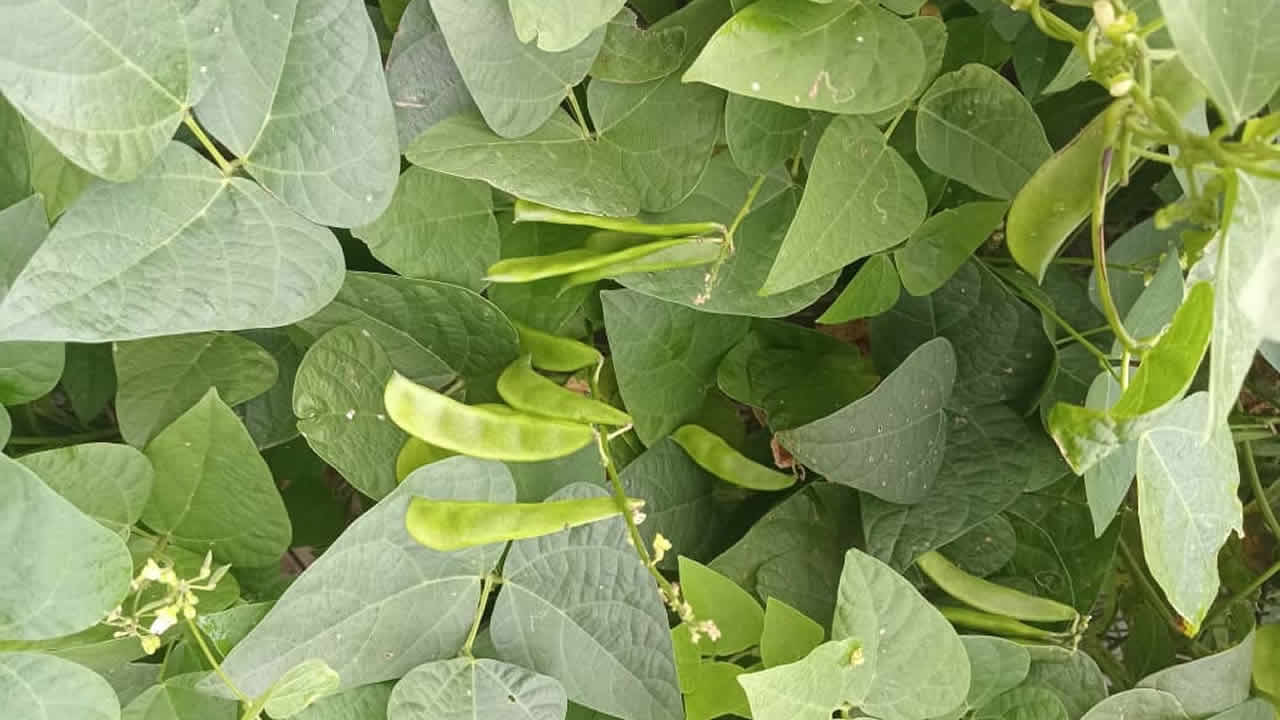
Seeds are the foundation of agriculture. Most farmers in the country rely on farmer-saved seeds. “The collection was carried out targeting traditional crop varieties and Traditional African Vegetables (TAVs) both weedy species (imbuya, ligusha, emasusu -chayote- inshubaba and other wild edible such as liselesele, emahenjane; of which, herbarium specimens were collected for those plants without seeds. These species were collected for conservation to ensure that they are not lost,” she shared.
Farmers have been custodians of these materials passing them on from generation to generation. “It will be unfortunate to cut this chain. The genebank ensures that seed sharing continues for the country’s sovereignty. Communities also benefit from the rich nutritious value of these diverse materials. Some seeds are tied to cultural practices and traditions, if they are extinct, the cultural preservation will be affected. The maintenance of biodiversity of adapted seed varieties contributes to access to food and promotion of climate change resilience,” she shared.
Communities visited and response from farmers
The mission covered all the regions of the country. “This was made possible by the collaboration between the Agriculture Extension Workers and the Genebank. Since prior arrangements were made to sensitise the farmers on the importance of conservation for now and for future generations, they willingly provided the seeds and even asked for other crops that they have lost. The response from the farming communities was amazing. They appreciated having a facility where they can fall back to in case they lose their crops,” mentioned the manager.
The collection process
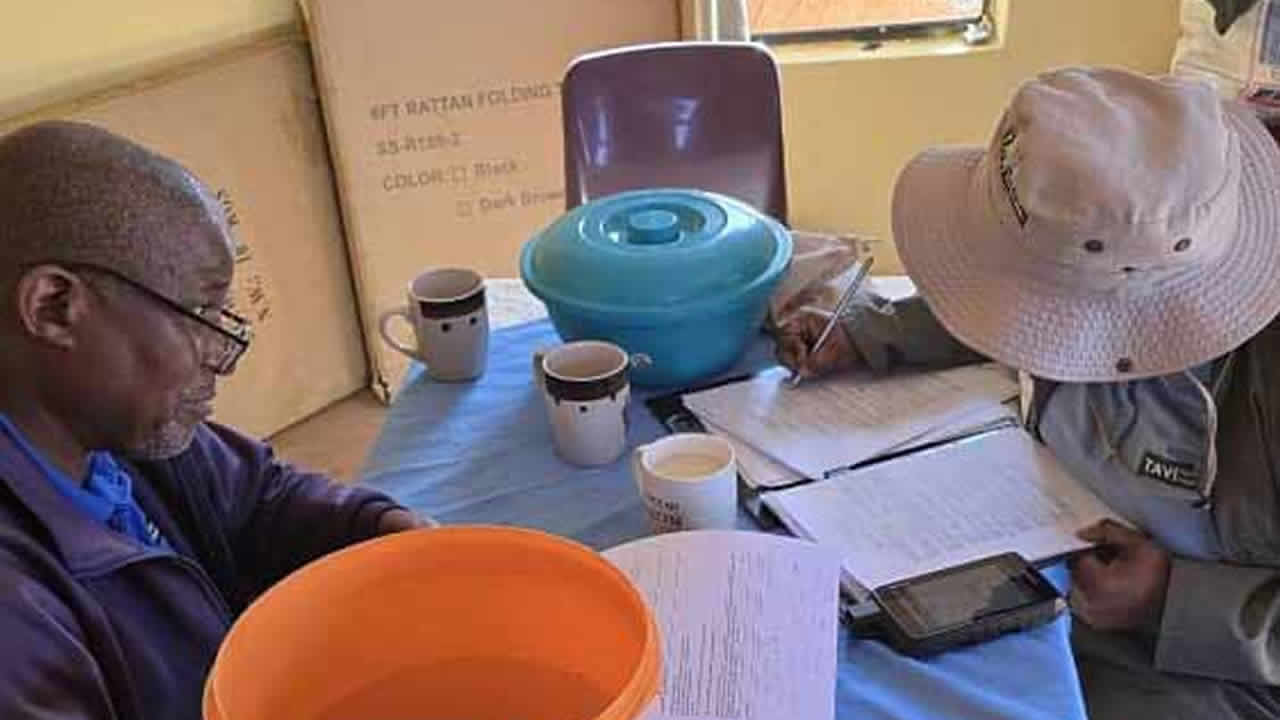
Lupupa mentioned that the collection officers were using a standard collection form used in the SADC region for the documentation of information on where the material was collected, the geographical location using a GPS (latitude, longitude, elevation), the uses of the collected material, why the continue farming that crop and other wild edible plants they use that are sourced from the wild.
“Most seeds were collected from farm stores except for TAVs that were picked from the backyard gardens or fields. Information on the availability of wild edible species was documented and where possible, herbarium specimens were pressed to be stored in the National Herbarium,” said Lupupa.
The manager went on to add that the data is still being captured on how many samples and types are being collected.











Leave a comment