

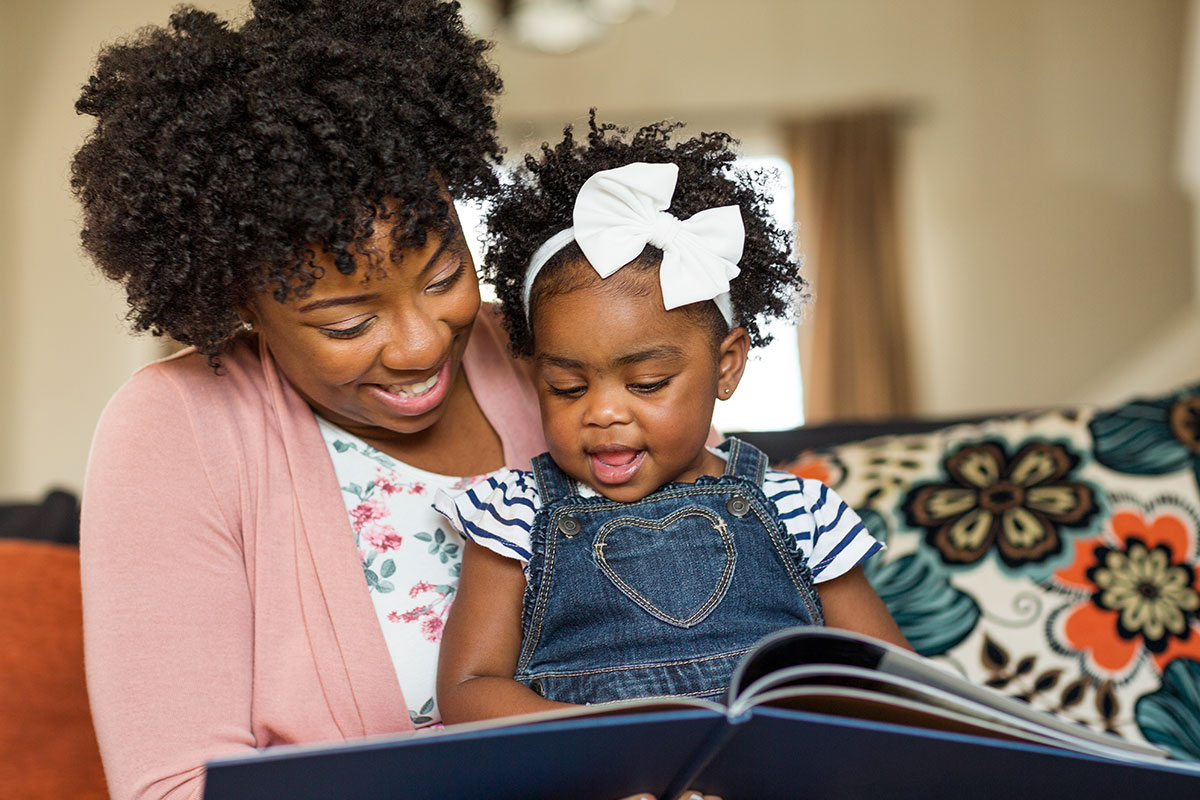
Children are made readers in the laps of their parents.” Emilie Buchwald.
Let’s get one thing clear right away:
You don’t need a fancy teaching degree to help your child become a reader. Although these can greatly help, you don’t need flashcards, expensive tutors or perfectly planned lessons.
You just need you. That is right. Your voice, your lap, your time. It might surprise you to know this, but most struggling readers aren’t struggling because they ‘can’t learn’ or because something’s wrong with them. Many simply missed key steps when reading was first taught or they just need it explained in a way their brain understands. And the good news? You don’t have to wait for a teacher or tutor to get started.
A quiet secret most parent don’t hear
As someone who works with struggling readers every day, children with dyslexia, children who fell behind, children who want to read but just can’t seem to crack the code, there’s one pattern I’ve seen over and over: The children who make the most progress often have one thing in common; they feel safe and supported while reading.
Not tested. Not corrected every few seconds. Not pressured to ‘get it right.’ They read in laps. They read with giggles. They read with someone who cares more about connection than perfection.
What actually helps children learn to read
Most parents think the answer lies in memorising words or drilling phonics. But for many children, especially those who are struggling, what works is simpler than that:
Reading aloud together
Talking about stories, not just the words
Pointing to letters and sounds as you go
Making mistakes feel normal, not scary
Think of it like this: Children don’t learn to ride a bike by reading about bikes. They learn by hopping on, wobbling and having someone run beside them, cheering them on. Reading works the same way.
What if you’re not ‘good at reading’ yourself?
That is okay. Truly. You don’t need to pronounce every word right. You don’t need to explain everything perfectly. Just show up. Sit beside your child. Read a picture book. Talk about the story. Let them see your love for learning even if you’re learning too.
Because when children feel connected, their brains are calmer, more focused and more ready to learn.
Here’s your first simple step
Try this tonight: Pick a short book your child likes (yes, even if it’s the 100th time). Snuggle up, and take turns reading a page each. Let them guess tricky words. Help them sound things out if they ask. Most of all, just enjoy it together.
The truth nobody tells you
It’s not the worksheets or the workbooks that create confident readers. It’s the quiet, ordinary moments like on the couch, in bed or after dinner when your child learns, ‘reading means spending time with someone I love.’ That’s where the magic happens.
And if you ever feel unsure of where to start, we’re here to help. Our programme is designed for real families, real children and real life, not perfection.
Would you like help figuring out your child’s reading level or learning style? Visit Nyangu’s Paradise on social media to learn more about our personalised, proven reading resources for free.















Leave a comment