

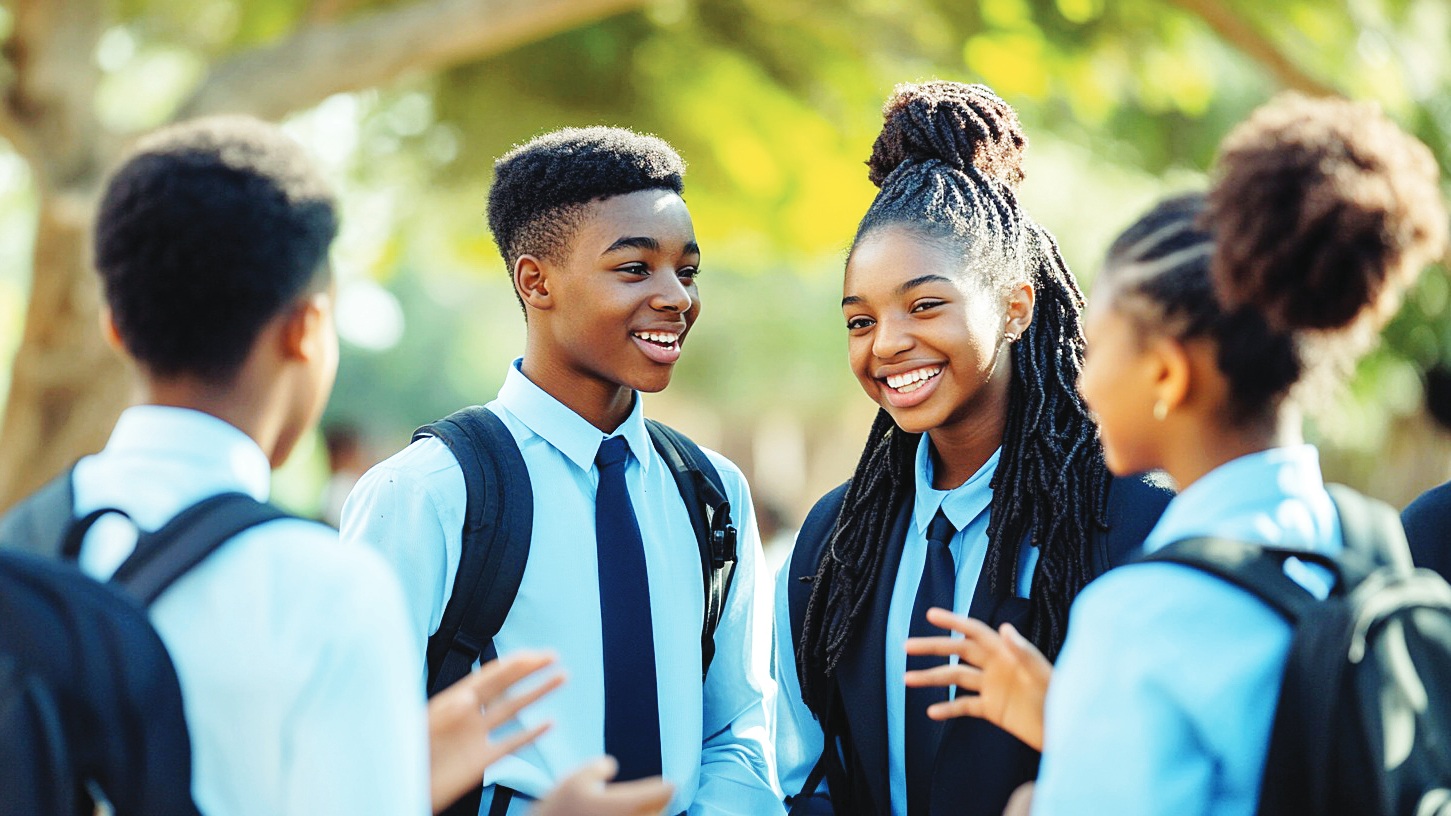
As parents, we want to see our children thrive. We want them to be strong, confident and rooted in the values we have taught them. But once they enter their teenage years, things start to shift. School friends become a louder voice in their lives, sometimes louder than ours. Peer pressure is real. It is silent, sneaky and sometimes, deeply painful to watch as a parent.
Normally we place strong emphasis on family values and respect, but today’s teenagers are growing up in a world where they face pressures we never imagined. Social media, smartphones and constantly changing trends have made it even harder for them to find their own identity.
They want to fit in. They want to be liked. And sometimes, they give in to peer pressure just to feel that they belong. So how can we, as parents, spot the signs and support them without pushing them away?
Teenagers rarely say, “I am being pressured by my friends”. It does not work like that. The signs are subtle. You might notice your child suddenly changing their appearance to match a certain group. They may start using language that does not sound like them. Their attitude may shift. They may become secretive, withdrawn or defensive. You may find that your once honest teenager now avoids eye contact when asked simple questions.
These are not just mood swings. They are signals. Listen with your eyes and ears. Pay attention to the emotional cues. Are they losing their self-confidence? Are they suddenly uncomfortable around certain friends? Is their schoolwork suffering? All of these can be signs that they are struggling to keep up with peer pressure.
One parent, Tenelile Dlamini, shared that she noticed her 15-year-old daughter started dressing differently and spending time with a new group of friends from school. She explained that her daughter had become withdrawn and more defensive at home. Dlamini said she initially reacted with anger but later realised that what her child needed most was understanding and an open conversation. “I had to put aside my assumptions and really listen,” she said. ‘That changed everything.’
The most powerful tool we have is a strong relationship with our children. Not one built on fear, but on trust. Teenagers want to be heard. They want to be understood. If we only lecture, they stop listening.
But if we ask the right questions, without judgement, they open up. Start conversations gently. Ask about their friends. Who they admire. What they are feeling pressured to do.
Sometimes just asking, “Are you feeling pressure to act a certain way at school?” is enough to begin a meaningful conversation.
Another parent, Velabo Simelane, shared how his teenage son felt pressured to skip school and engage in risky behaviour just to be accepted by peers. He mentioned that he took time to have regular walks and chats with his son, even when the boy did not seem interested.
“Consistency and presence matter,” he said. “Even when our children act like they do not care, they hear us.”
Home should be a place where your child can remove the mask they wear at school. Let them feel accepted, even when they mess up. Guide them with love, not shame. The world is already harsh enough.
We cannot always shield our children from the world, but we can prepare them for it. Teach them how to make decisions based on their own values.
Help them build self-confidence. Remind them that it is ok to say no. That they do not have to follow the crowd to be respected.
Peer pressure is not just about saying yes to alcohol or risky behaviour.
Sometimes it is about silence, about going along with things that do not feel right.
Parenting teenagers in today’s world is not easy.
But with patience, presence and prayer, we can raise young people who stand tall even when the pressure is heavy. Let us walk with them, not ahead of them. Let us be their safe place.
How parents can help teens navigate peer pressure
Here is a practical list for parents in Eswatini who want to support their teenagers more effectively:
- Start the conversation early: Do not wait until your child is in trouble. Talk about peer pressure before it becomes a crisis. Use examples from real life or the media.
- Listen without judging: When your teen opens up, resist the urge to lecture. Listen with empathy and create a safe space where they can express themselves freely.
- Pay attention to behaviour changes: Be alert to shifts in mood, sleep, attitude or social circles. These can be signs of internal conflict or pressure from peers.
- Know their friends: Take time to know who your child spends time with. Invite them to your home when possible. It helps to understand the kind of influence they have.
- Teach assertiveness skills: Help your teenager practise saying no. Role play different scenarios and teach them respectful ways to stand their ground.
- Reinforce family values: Talk openly about your family values and why they matter. Repetition and consistency help children carry those values into the world.
- Celebrate their individuality: Encourage your child to take pride in who they are. When they know their worth, they are less likely to compromise it for acceptance.
- Stay involved at school: Engage with teachers, attend parent meetings and stay informed. A strong home-school connection helps identify problems early.
- Model healthy boundaries: Let your children see you making strong, respectful choices in your own life. They learn more from what we do than what we say.
- Pray with and for them: In our culture, prayer is powerful. Let your child see that you pray for them and with them. It reminds them they are not alone.
















Leave a comment