

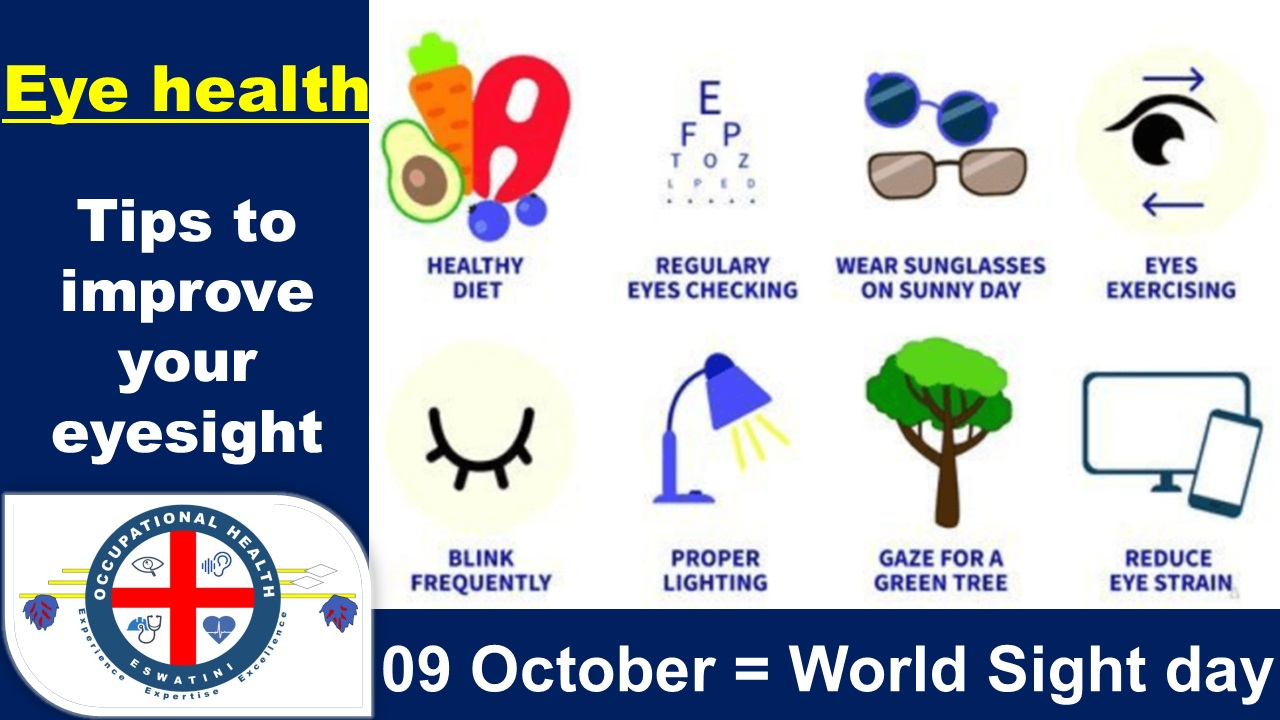
Most people will be familiar with the local optometrist and optician, though fewer will have interacted with an ophthalmologist. Each of these professions are essential in maintaining eye health, but their roles and expertise differ. Understanding these differences can help you make informed decisions about your eyecare and seek the appropriate specialist when needed.
What is an optician?
Opticians, specifically known as dispensing opticians, help fit you for glasses and contact lenses. They aren’t qualified to perform eye tests and can’t write prescriptions for your vision. However, they can read your prescription to ensure you’re provided with appropriate vision correction.
What is an optometrist?
An optometrist, also known as a prescribing optician or ophthalmic optician, can also help fit you for glasses and contact lenses, but they can do much more:
Perform eye tests
Trained to check for eye diseases, e.g. glaucoma, diabetic retinopathy, age-related macular degeneration and cataracts.
Write your visual correction prescription
Some optometrists, who complete the independent prescriber’s qualification, can also prescribe a limited number of medications, like antibiotics and steroids to treat certain eye diseases.
What is an ophthalmologist?
If your optometrist finds that you have signs of eye disease, they will refer you to your general practitioner (GP) or an ophthalmologist who is specialised doctor in eyecare and vision management:
- Treat any eye disease.
- Manage the effects of medical conditions on your eyes and vision.
- Manage eye injuries
- Perform eye trauma surgery
- Perform eye routine surgery like cataract removal and LASIK vision correction.
When to see an optician or optometrist?
If you’re concerned that your vision isn’t as clear as it should be, it’s important to visit your local opticians to have an eye test performed by your optometrist. If you need vision correction, your optician can help fit your glasses or contact lenses. If your optometrist detects an eye disease, they will refer you to an ophthalmologist.
Start at your GP
In certain cases, your GP may be able to treat your eye condition themselves e.g. they may prescribe antibiotics for severe, persistent eye infections. However, if they can’t treat your eye condition and/or think you need further investigations by a specialist to diagnose your eye condition, they will refer you to an ophthalmologist.
Seeing the specialist
If you want to see a private ophthalmologist and are self-paying, you can book a consultation with an ophthalmologist directly. However, if you’re using insurance to cover the cost of your care, you will usually need to see your GP or an optometrist first to get a referral letter. You can reduce the chance of vision problems by checking your eyes and general health regularly as some medical conditions like diabetes and high blood pressure can present with vision problems as an early symptom.
Follow The Times of Eswatini (X) and dr.thys (Instagram) for more health hacks. Send queries to ohesmngr@gmail.com.



















Leave a comment