

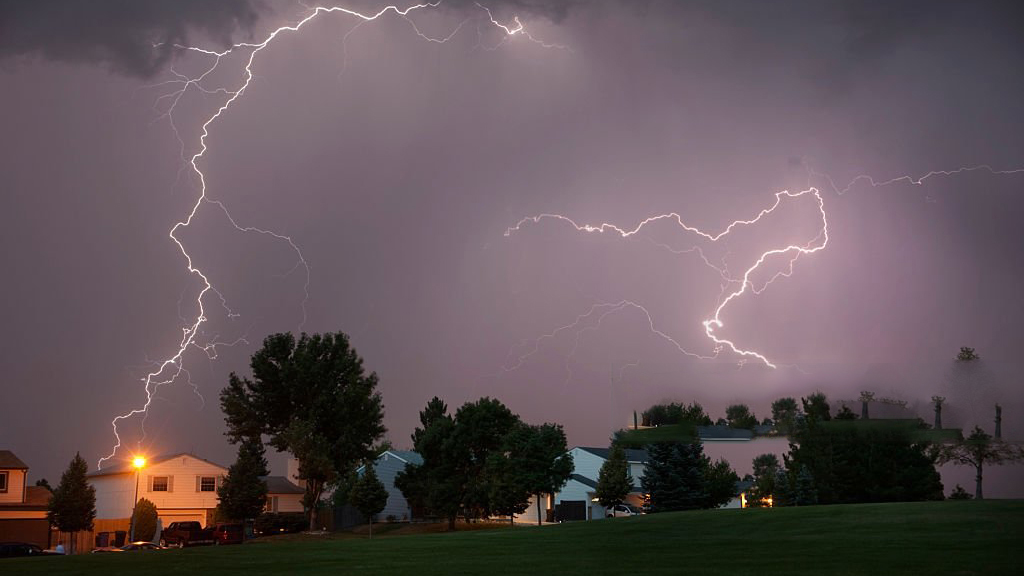
With the summer season already here, so is the threat of thunderstorms, which can wreak havoc on our homes and electrical systems. In this article, we explore the importance of ensuring that your home is properly wired to protect against the dangers posed by these weather events.
Electrician Themba Vilakati, who has extensive experience in electrical safety, shares insights on how we can safeguard our properties.
The dangers of faulty wiring during thunderstorms:
Faulty wiring poses a major risk during thunderstorms. “Lightning strikes can induce power surges that surge through electrical lines, searching for the path of least resistance. If your home’s wiring is not up to code or has deteriorated over time, it becomes more susceptible to these power surges, which can result in electrical fires, damage to appliances and even electrocution hazards,” said Vilakati.
Signs of improper wiring:
Recognising the signs of improper wiring is crucial for identifying potential risks during thunderstorms. Keep an eye out for the following indicators:
1. Frequent circuit breaker tripping: If your circuit breakers trip frequently, it may indicate that your electrical system is overloaded or that there are wiring issues. This can be dangerous during a thunderstorm when power surges become more common.
2. Flickering or dimming lights: Lights that flicker or dim without any apparent reason could be a sign of faulty wiring. Thunderstorms can exacerbate these issues, leading to potential electrical hazards.
3. Burning smell or discolouration: A persistent burning smell or discolouration around electrical outlets, switch, or wires may indicate overheating due to faulty wiring connections. These issues can be exacerbated during thunderstorms, increasing the risk of electrical fires.
4. Outdated wiring: If your home has outdated wiring, such as aluminium wiring commonly found in older properties, it may not be equipped to handle the demands of modern electrical appliances and the increased power surges during thunderstorms.
What to do if your homeis not properly wired:
If you suspect that your home is not properly wired, it is crucial to take action to mitigate potential risks. Here are some steps you can take:
1. Consult a qualified electrician: Reach out to a licensed and experienced electrician, like Vilakati, to conduct a comprehensive inspection of your home’s electrical system. They can identify any wiring issues, provide recommendations and perform necessary repairs or upgrades.
2. Install surge protection devices: Surge protectors help safeguard your appliances and electronics from power surges caused by lightning strikes. “Consider installing whole-house surge protection systems or individual surge protectors for valuable devices,” he added.
3. Upgrade outdated wiring: “If your home has outdated wiring, consider upgrading it to modern, safer alternatives such as copper wiring. This will enhance the overall safety and reliability of your electrical system,” said Vilakati.
4. Regular maintenance and checks: Schedule regular inspections and maintenance of your electrical system to ensure it remains in optimal condition. This includes checking for loose connections, damaged wires and outdated components.
The Eswatini Electricity Company advices on the following:
Electrical safety tips for homeowners
- Don’t overload your outlets. One of the most common causes of electrical problems is overloading electrical outlets.
- Use extension cords wisely.
- Keep cords tidy.
- Allow proper air circulation.
How to protect electrical appliances from lightning strikes
- Lightning can destroy sensitive electronic appliances even if it didn’t directly hit your house. The best protection is to unplug your appliances and disconnect cable lines. You can also:
- Install a plug-in, point-of-use electrical surge protector.
- Use plug-in surge protectors for telephone and cable TV lines.
- Install a service-entrance surge protector to protect your entire house from voltage surges. Like plug-in protectors, these devices divert excess voltage to ground. Service entrance protectors must be installed by a certified electrician.
- Do you have a working
- earth leakage circuit
- breaker in your DB?
An Earth-leakage circuit breaker (ELCB) is a safety device used in electrical installations to prevent shock. It detects small stray voltages on the metal enclosures of electrical equipment and interrupts the circuit if a dangerous voltage is detected.
*Make sure you have one-and it must be working!!!





















Leave a comment