

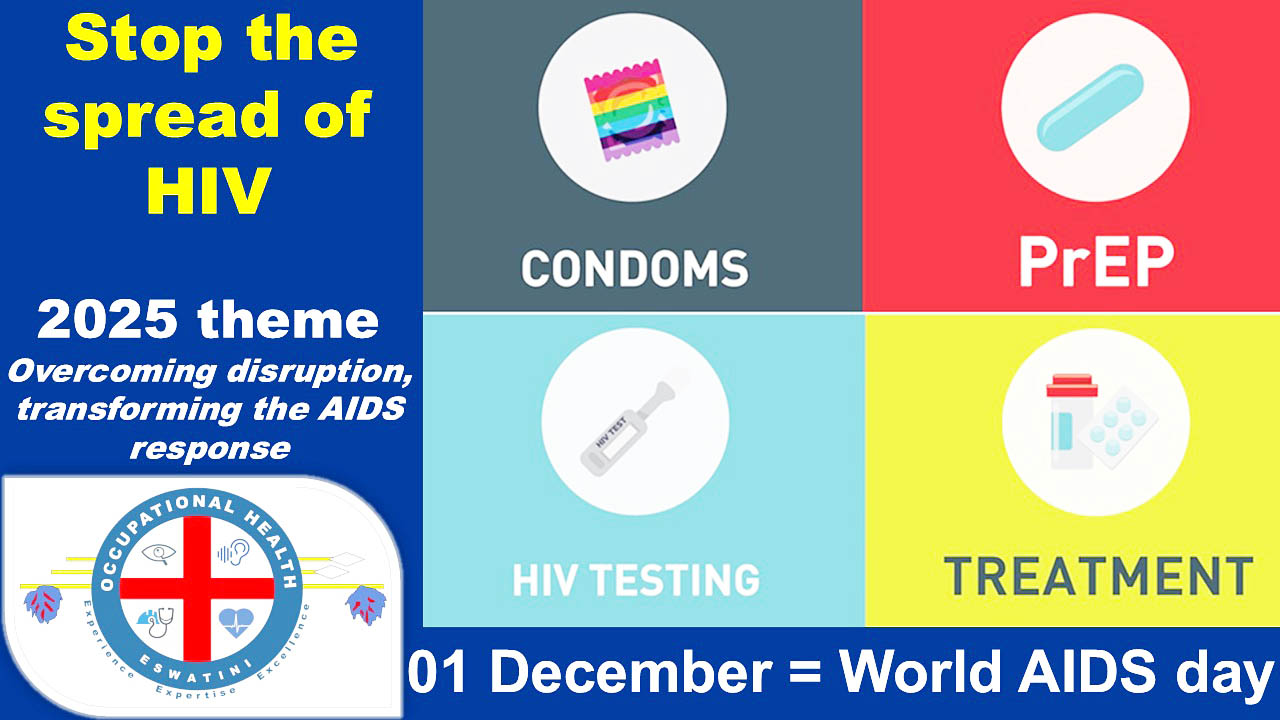
With the recent advancements in treatment options, both preventative and treatment, living with HIV should be no different to someone living with any other chronic medical condition.
Risk reduction methods when HIV positive
Take your treatment daily. When the treatment option taken is optimal, the HIV virus can be almost undetectable within 6 months. An undetectable viral load not only reduces the risk of developing HIV complications, but also improves quality of life and significantly reduces the risk of HIV transmission to others significantly.
Routinely follow up with your healthcare worker as recommended. This is to ensure that you are on the right treatment option, have not developed resistance and that it’s not harmful to your liver and kidneys.
Risk reduction methods regardless of status
To reduce your risk of developing superinfections (when positive) or contracting HIV (when negative), using the ABC-prevention are still recommended:
- Abstinence-for youth, including the delay of sexual debut and abstinence until marriage
- Be safer by being faithful-to one partner or by reducing the number of sexual partners and focus on monogamous relationships.
- Correct and consistent use of condoms-for sexually active young people, couples in which one partner is HIV-positive, sex workers and their clients and anyone engaging in sexual activity with partners who may have been at risk of HIV exposure.
Risk reduction methods when negative
Get tested for HIV- It’s important to test after a potential exposure. Regular testing is also recommended for people that may be at a higher risk for contracting the virus.
- Douche: Clean out the penetrated area with clean water, salt water or iodine solution soon afterwards to remove potentially unwanted organisms and virusses
- PEP: Post-exposure prophylaxis is taken as soon as risk exposure happened. The effectivity reduces as time passes, with no benefit when taken after 72 hours from exposure.
- Use PrEP. These are specially formulated antiretroviral medications which can be used to effectively reduce the risk of contracting HIV.
- PrEP oral: A pill taken daily as pre-exposure prophylaxis, providing up to 92 per cent protection.
- PrEP ED: It’s the oral form taken only when exposed, i.e. day of exposure (double dose) followed by single dose taken the following 2 days.
- PrEP injectable: The injectable long acting form and administered into the buttock every 2 months.
- LEN PrEP injectable: It’s the newest long acting prevention option available and is administered into the buttock every 6 months.
Who should consider PrEP?
PrEP is recommended for individuals who are HIV negative and may be at increased risk of HIV exposure, including those who:
- Have had anal or vaginal sex in the past 6 months and have been diagnosed with a sexually transmitted infection (STI).
- Inject drugs and share needles or other injection equipment.
- Have a partner with HIV.
Follow The Times of Eswatini (X) and dr.thys (Instagram) for more health hacks. Send queries to ohesmngr@gmail.com.


















Leave a comment