


EZULWINI – MTN Eswatini has launched a new connectivity solution called MTN Hybrid Direct Internet Access (DIA).
This is in a direct response to common terrestrial network vulnerabilities, such as fibre cuts, power outages and civil infrastructure projects.
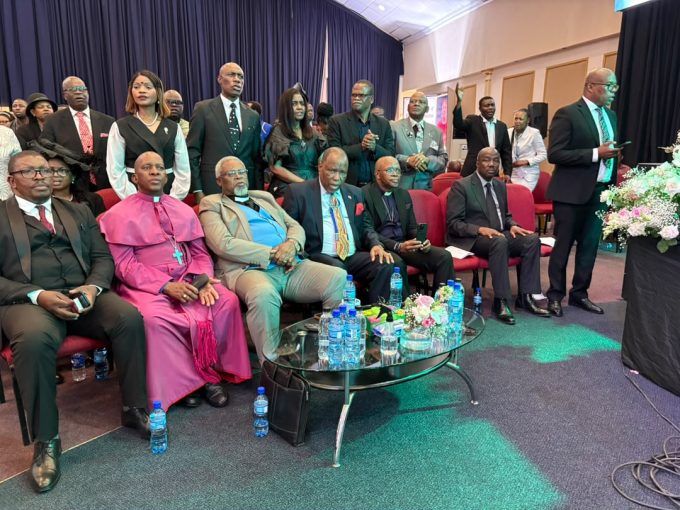
The innovation, designed to guarantee business continuity beyond traditional boundaries, was presented during the MTN Eswatini ICT Seminar held at the Royal Villas yesterday. The event was hosted under the theme, ‘Digital Transformation: The Transformative Potential of AI’.
Unpacking the new offering, MTN Eswatini Technical Operations Manager Lwazi Hlophe explained that while local last-mile connections and core infrastructure remain robust, commercial enterprises often face network downtime caused by incidents affecting upstream terrestrial routes.
“In an incident event affecting an upstream terrestrial route, it can have a broader impact on internet services, even when the customer’s last-mile connection and MTN’s local network remain operational,” Hlophe detailed.
“Our focus is not only on rapid restoration when incidents occur, but also on continuously strengthening network resilience and reducing exposure to single-route dependencies.”
MTN Hybrid DIA addresses these risks by combining MTN’s existing terrestrial network—comprising fibre, microwave and Core IP infrastructure, with Low Earth Orbit (LEO) satellite connectivity.
This creates an independent internet path that operates outside traditional terrestrial upstream gateways (such as Oshoek, Lomahasha and Mahamba). The system features automatic, seamless failover between terrestrial and satellite links, ensuring uninterrupted enterprise operations during network incidents.
Furthermore, the solution extends high-speed internet availability to businesses operating in remote areas where laying fibre or deploying traditional wireless links is physically difficult, cost-prohibitive or unreliable.
During his presentation, Hlophe highlighted several key terrestrial risks that routinely threaten business uptime across the country:
l Fibre cuts: Accidental damage caused by excavation activities, roadworks and utility construction projects.
l Power events: Commercial grid failure, instability and site-level power disruptions.
l Civil works & equipment faults: Hardware failures affecting transport routes and network elements, as well as ongoing civil infrastructure development.
By integrating LEO satellite capability directly into the core IP network, MTN eliminates single-route vulnerabilities for critical enterprise operations.
The launch aligns with MTN Eswatini’s overall pillar to maintain a target of over 99 per cent network availability for local enterprises.
Hlophe emphasised four strategic commitments underlying the telecom giant’s strategy:
l Strengthen: Continuously improving network resilience and service availability.
l Communicate: Maintaining full transparency during service incidents with real-time customer updates.
l Innovate: Investing in technologies that enhance reliability, performance and user experience.
l Business continuity: Supporting local commercial customers with resilient solutions designed to minimise downtime and spur economic growth.
Backed by 24/7 network monitoring, rapid incident response and end-to-end routing management from the MTN Network Operations Centre (NOC), the Hybrid DIA solution provides local enterprises with end-to-end service assurance.
“Through this hybrid architecture, we are ensuring that Eswatini businesses stay connected, productive and fully operational, no matter the circumstances,” Hlophe concluded.
















Leave a comment