MANZINI – Prime Minister Russell Mmiso Dlamini has urged the Methodist Church to help create a generation of emaSwati who create jobs, own businesses and drive economic growth.
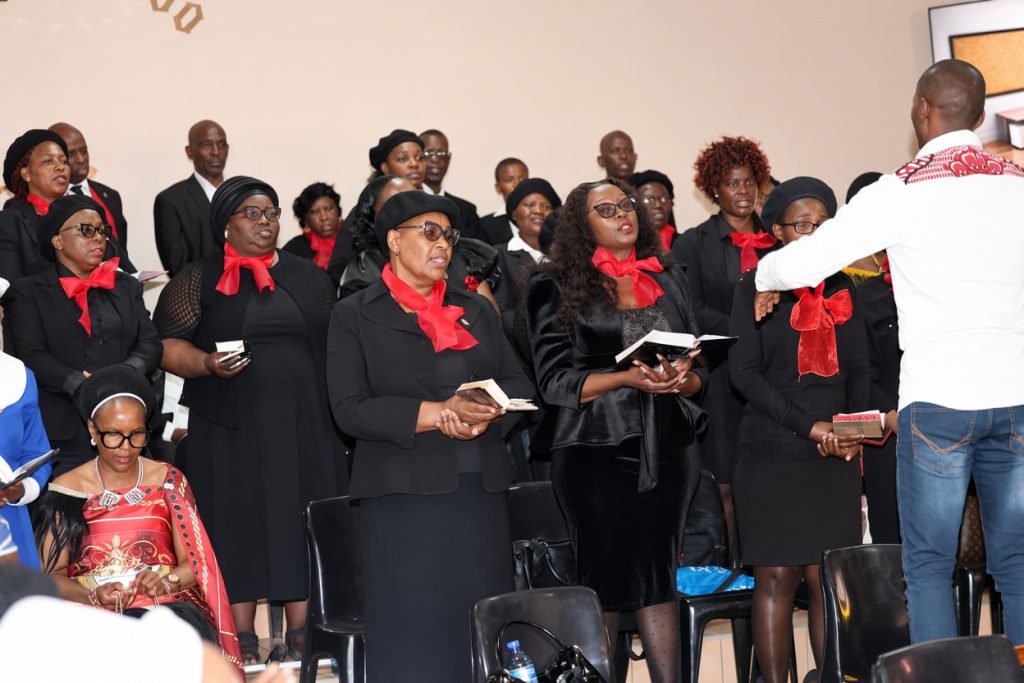
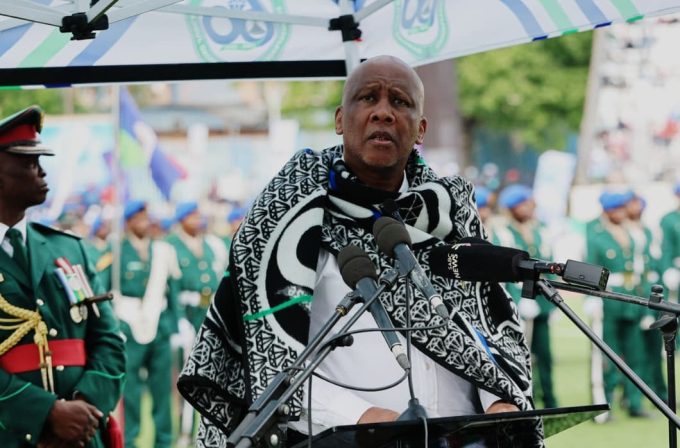
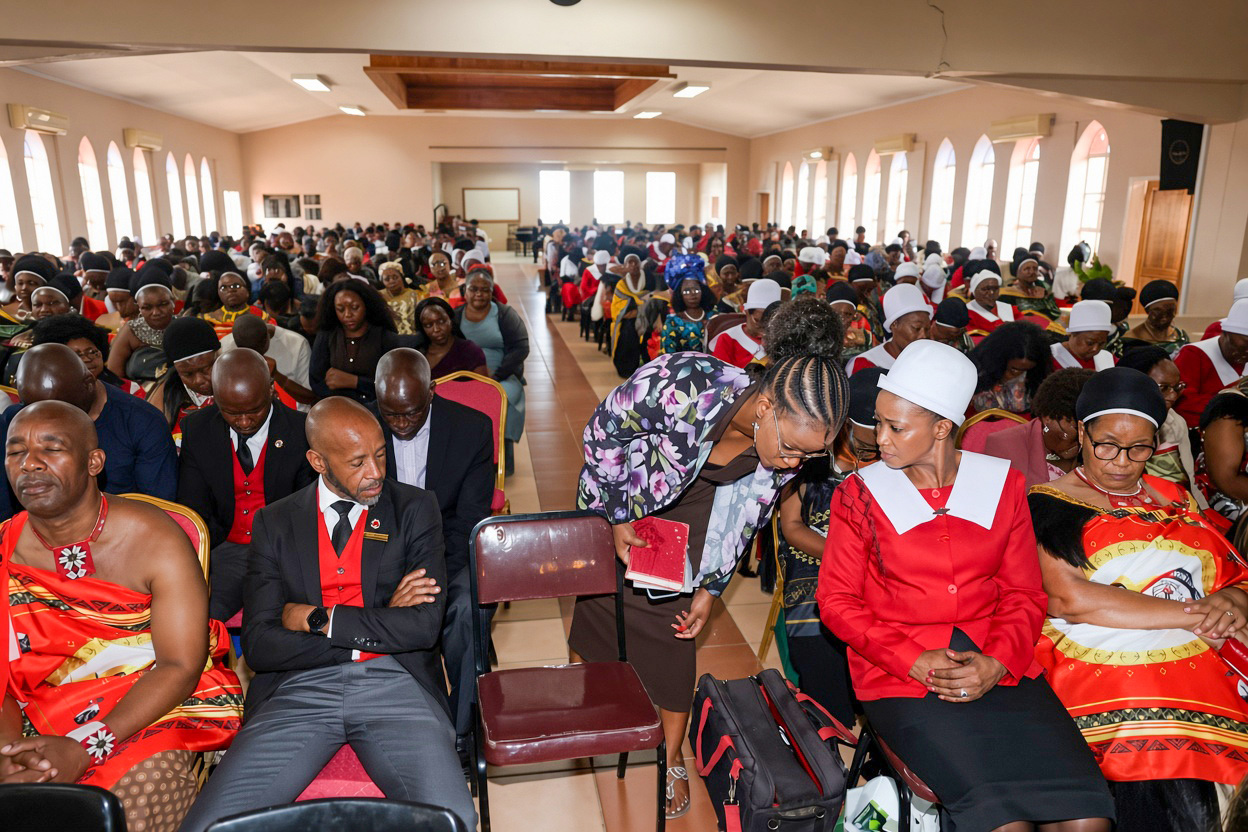
Speaking at St Paul’s Methodist Church on Saturday during celebrations marking 100 years of the Methodist Church in Eswatini, Dlamini said the church’s role should extend beyond spiritual ministry to economic empowerment.
He said the Methodist Church had historically responded to society’s needs through education, healthcare and community development.
“The time has come for the Church to join government with renewed determination in the economic empowerment of our people,” he said.
Dlamini said education must be repositioned so that citizens leave institutions equipped not only to seek employment but to create it and contribute to economic transformation.
“Our education must equip citizens not only to seek employment, but also to create employment; not just to participate in the economy, but to own, build and transform it,” he said.
He said economic transformation required a change in mindset, arguing that people and nations could not build differently without first believing differently.
Dlamini called for renewed national confidence, saying Eswatini needed ‘an Eswatini that believes in emaSwati’.
He urged citizens to take greater responsibility for their economic future ‘without hesitation, excuse or complaint’.
The premier said the church cannot remain on the periphery of national transformation because economic development cannot be separated from the moral character of society.
He said government could build roads, schools, hospitals and industries, but infrastructure alone could not produce integrity or patriotism.
“Economic growth, by itself, cannot give a nation a moral conscience,” he said.
Dlamini said character was formed in families, communities and places of worship, making the church an important partner in developing citizens who could contribute positively to national development.
He said government and the church should work within their respective spheres to build a society that served people rather than power, protected the vulnerable rather than privileged interests and rewarded honest labour rather than corruption.
He also called for a new generation of leaders with conviction, competence and character who feared God, loved their country and put the welfare of the people above personal interests.
Turning to Africa, Dlamini said the continent’s young and rapidly growing population presented a significant opportunity, declaring that ‘the future belongs to Africa’.
However, he cautioned that Africans could not claim that future without preparing for and protecting it.
“A future that belongs to us must also be prepared for, developed and guarded by us,” he said.
He called for greater protection of Africa’s natural resources and human capital against exploitation, saying African wealth should be used to build African industries and African talent mobilised to solve African problems.
“Let Africa’s resources benefit Africa. Let African wealth build African industries. Let African talent solve African problems,” he said.
Dlamini said Eswatini should ensure that its natural resources and human capital became instruments of dignity, prosperity and transformation.
He said national transformation could not be separated from spiritual transformation, warning that a nation could not be renewed while its churches were spiritually asleep.
He said the church had a responsibility to awaken society’s conscience and help develop righteous leaders.
Meanwhile, Dlamini paid tribute to generations of Methodist worshippers, preachers, teachers, evangelists and servants who had sustained the church for a century.
He said the Methodist mission had taken deep root in Eswatini and had become unmistakably a church of the country, led by emaSwati, serving emaSwati and participating in the spiritual, social and developmental life of the nation.
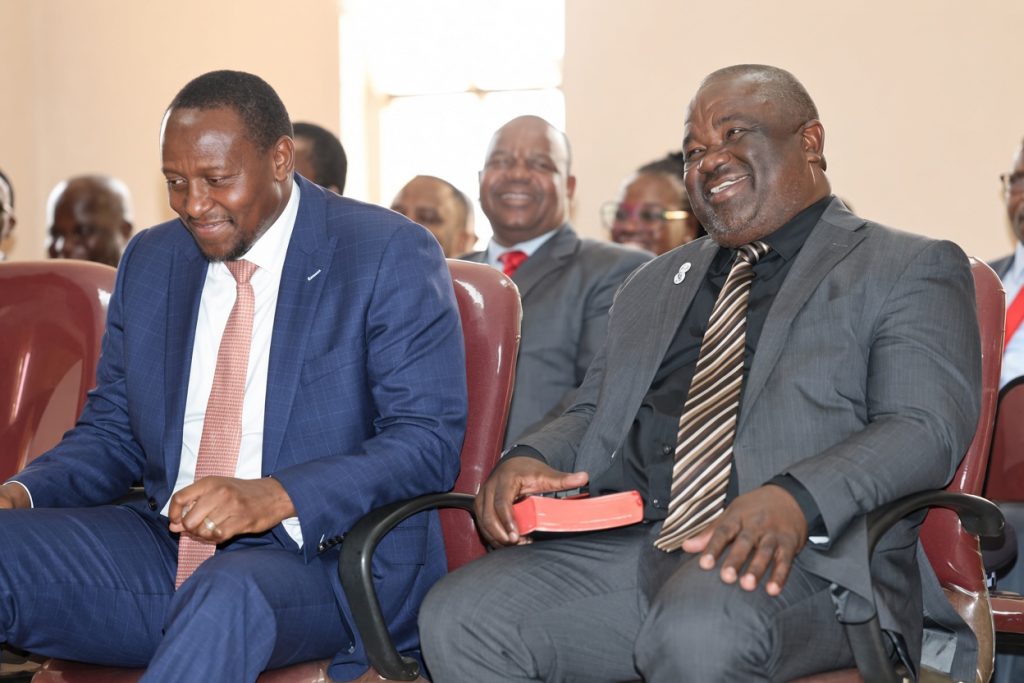
He said the church’s contribution to education had opened opportunities for generations of children, many of whom later served in public office, the professions, commerce and community leadership.
‘‘The church later extended its mission into healthcare, caring for the sick and recognising the dignity and well-being of the whole person,’’ he said.
Dlamini, a former pupil of St Paul’s High School, said the centenary was therefore not only a celebration of longevity but recognition of the church’s contribution to the development of the kingdom.
He encouraged businesses, well-wishers and people of goodwill to support the Central Eswatini Circuit 1026 centenary fundraising drive.
He said the initiative sought to mobilise financial and material resources to strengthen the church’s capacity to sustain and expand its mission.
“Let us give not only towards an event, but towards a legacy,” he said.
The PM said the church should continue investing in a ministry that nurtured the young, strengthened families, cared for vulnerable people and served the nation.
He said the 100-year milestone should become a platform for the Methodist Church to enter its next century with renewed purpose and greater participation in transforming Eswatini.