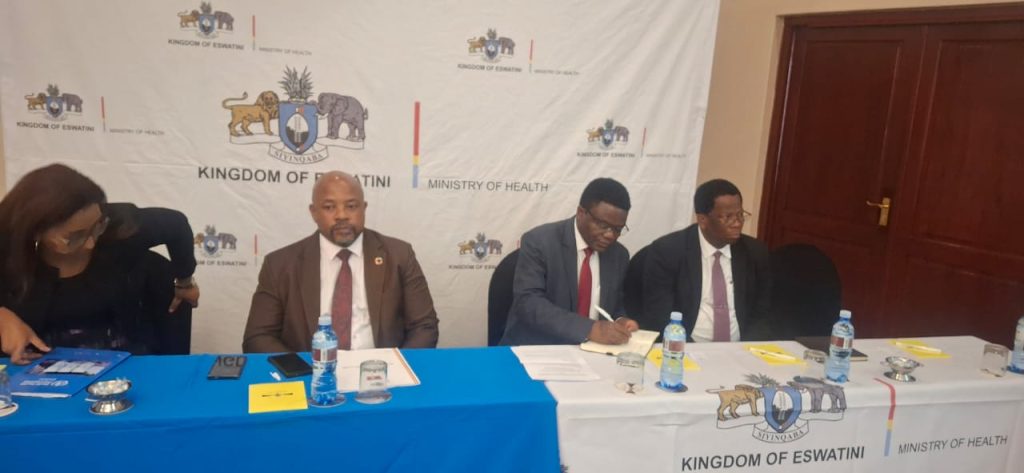
EZULWINI – The Kingdom of Eswatini has taken a major step towards strengthening its ability to prevent, detect and respond to public health emergencies with the official launch of its National Action Plan for Health Security (NAPHS) 2026–2030.
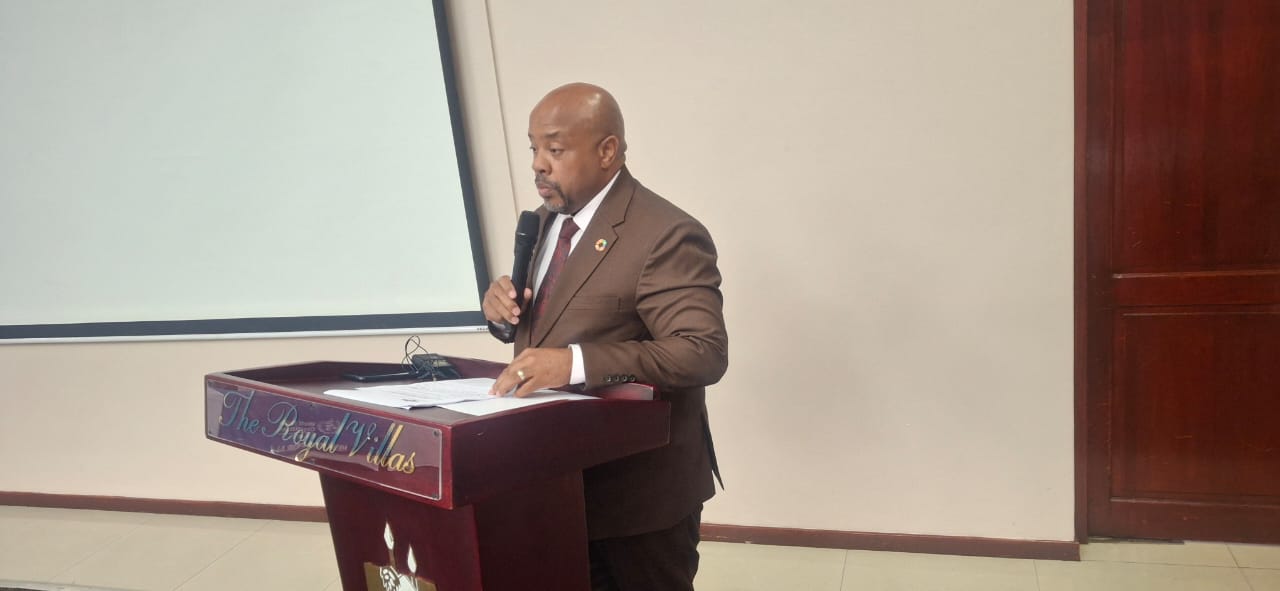
The plan, launched by Minister for Health Mduduzi Matsebula at Royal Villas, provides a five-year framework for building a stronger and more coordinated national health-security system.
The milestone places Eswatini among countries taking concrete steps to strengthen preparedness against outbreaks and other public health threats through a coordinated, multi-sectoral approach.
Matsebula said the plan was not simply a policy document, but a practical framework designed to protect the country and its people from health emergencies.
“Today marks a historic and defining milestone in our Kingdom’s journey towards a safer, more resilient future,” he said.
The NAPHS adopts a one health approach, recognising that threats to human health can be closely linked to developments in animal health, agriculture and the environment.
Under the plan, government and its partners will work towards improving coordination across these sectors to ensure that potential threats are identified and addressed before they escalate into national or international emergencies.
A key focus will be strengthening early-warning and surveillance systems, particularly at community level.
The country also intends to improve laboratory capacity and decentralise diagnostic services so that suspected disease threats can be identified and confirmed more rapidly.
Another priority is ensuring that institutions across different sectors are able to mobilise quickly and work together when an emergency occurs.
Matsebula said the need for such preparedness had become increasingly evident as infectious diseases continued to pose a threat across the continent.
He said the movement of people and goods across borders meant that Eswatini could not afford to operate in isolation from regional and global health developments.
“We can no longer afford to wait,” Matsebula said, stressing the need for stronger national preparedness and rapid response capabilities.
The Minister said the plan would also help Eswatini meet its obligations under the International Health Regulations, while strengthening its contribution to wider continental health security efforts.
The launch was attended by representatives from the World Health Organisation (WHO), theAfrica Centres for Disease Control and Prevention (Africa CDC), development partners, Members of Parliament and other stakeholders.
Matsebula said a resilient health-security system was fundamental to the country’s development ambitions.
“We cannot build a prosperous, first-world Eswatini without a robust healthcare foundation that is structurally capable of detecting, preventing, and containing health emergencies at their source,” he said.