MANZINI – Learners in 160 secondary and high schools across Eswatini are set to experience a major shift in the way Mathematics and Science are taught, as the Ministry of Education and Training moves to introduce technology-driven classroom learning aimed at improving performance in the two subjects.
The nationwide expansion of the Progressive Mathematics Initiative and Progressive Science Initiative (PMI/PSI) is expected to move teaching away from conventional classroom methods, where learners largely depend on teachers explaining concepts on the chalkboard, towards interactive lessons that encourage participation, collaboration, critical thinking and practical problem-solving.
The initiative, which will be rolled out in 160 secondary and high schools across all four regions of the country, comes amid persistent concerns over learners’ performance in Mathematics and Science, particularly at foundational and junior secondary levels. These subjects have long been identified as major stumbling blocks for learners seeking to pursue Science, Technology, Engineering and Mathematics (STEM)-related careers and tertiary education programmes.
The Ministry believes that changing how the subjects are taught could help address the challenges, while also building learners’ confidence and interest in areas that are increasingly important in the modern economy.
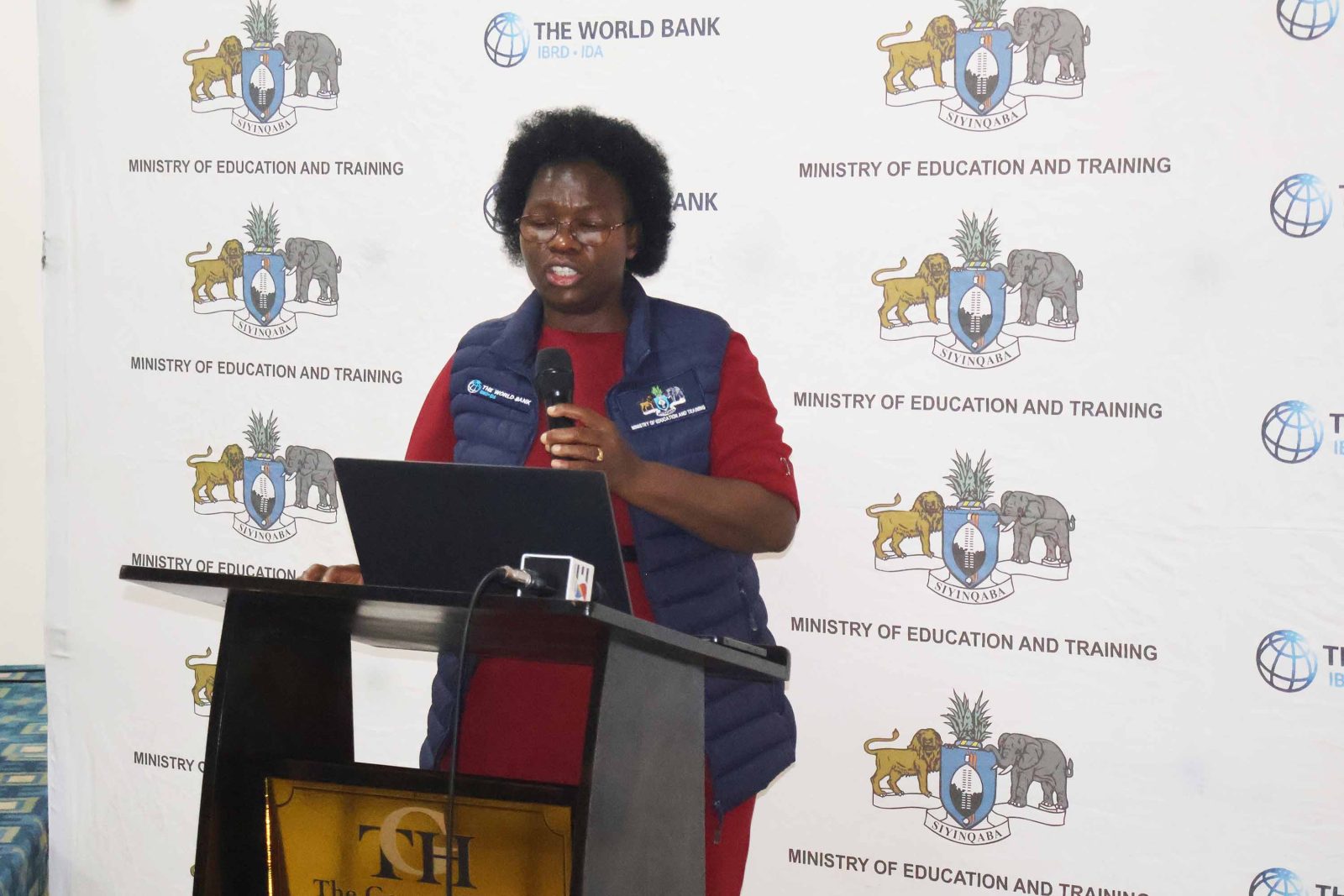
The expansion was announced by the Chief Inspector of Secondary Education in the Ministry of Education and Training Phumlile Dlamini during a sensitisation workshop held at The George Hotel in Manzini yesterday. The workshop brought together Head Teachers and School Committee Chairpersons from the Lubombo and Manzini regions to prepare them for their responsibilities in implementing the initiative.
The programme is being implemented under the World Bank-funded Strengthening Basic Education Support to Human Capital Development in Eswatini project (P173151).
Addressing the participants, the Chief Inspector described the expansion as a major step towards transforming classroom instruction and strengthening the country’s education system.
The Chief Inspector said national examination data and education sector analyses had repeatedly pointed to poor performance in foundational and junior secondary Mathematics and Science as a persistent challenge requiring deliberate intervention.
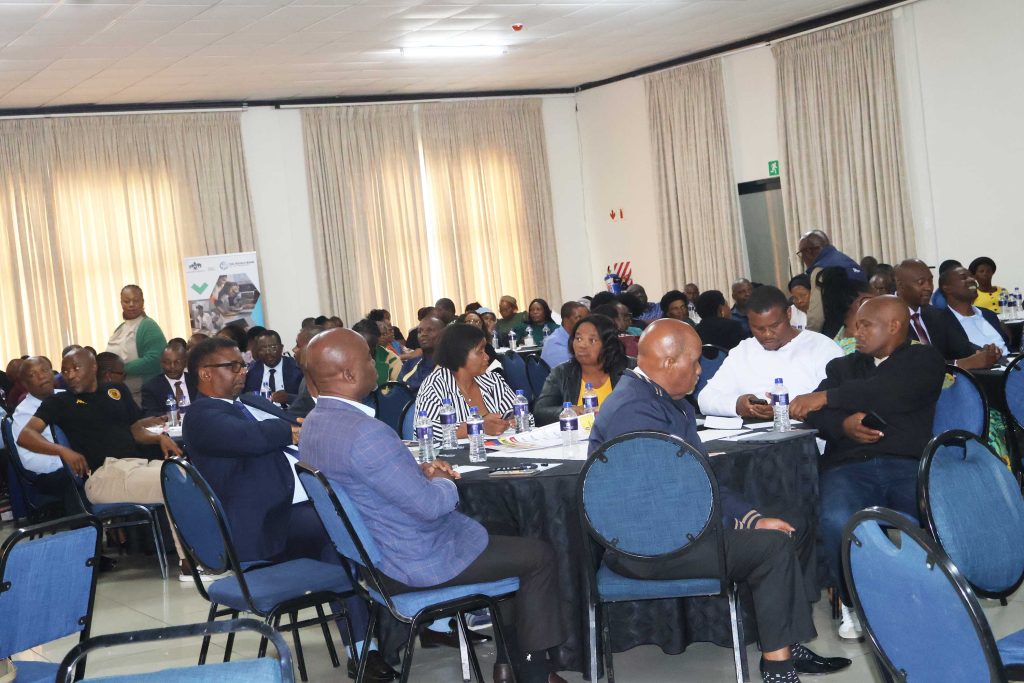
According to the Chief Inspector, many learners continued to perceive the subjects as abstract, intimidating and disconnected from their everyday experiences. This perception, it was explained, created barriers that could discourage learners from pursuing further studies in the sciences and related fields.
The concern was particularly significant given the need to prepare young people for a changing labour market that increasingly demands scientific knowledge, technological competence and problem-solving abilities.
Dlamini also raised concern over persistent gender gaps in STEM pass rates, emphasising the need for classroom practices that give both boys and girls equal opportunities to participate, develop confidence and excel.
It was against this background that the Ministry introduced the Progressive Mathematics Initiative and Progressive Science Initiative in an initial group of pilot schools.
Unlike conventional teaching approaches that rely heavily on teachers delivering lessons while learners listen and take notes, the PMI/PSI model places learners at the centre of the learning process.
The approach incorporates interactive touch screens, digital polling devices and structured social-constructivist teaching methods, allowing learners to work together, exchange ideas and solve problems during lessons.
Under the model, teachers are expected to assume a more facilitative role, guiding learners through challenging concepts instead of simply providing answers. They are also able to identify misconceptions and areas of difficulty immediately through live formative assessments.
This allows teachers to establish whether learners understand what is being taught and adjust their instruction accordingly, rather than waiting for formal examinations to discover learning gaps.
Dlamini said the experience from the initial project schools had been encouraging, with measurable improvements reported in teachers’ subject-matter mastery and increased confidence among learners.
There had also been stronger classroom engagement among both boys and girls, while the general learning environment was beginning to shift from one in which Mathematics and Science were approached with fear to one characterised by curiosity and active participation.
These encouraging developments informed the Ministry’s decision to expand the initiative to 160 schools, taking the model beyond the initial pilot institutions and making it accessible to more learners across the country.
However, the Chief Inspector stressed that the success of the expansion would not depend on the technology alone, but also on how schools were managed and how effectively those entrusted with leadership responsibilities supported the programme.
The presence of Head Teachers and School Committee Chairpersons at the workshop was therefore considered important, as the Ministry expects both groups to play complementary roles in ensuring that the initiative produces meaningful and sustainable results.
Dlamini particularly challenged Head Teachers to take ownership of the programme by providing strong instructional leadership and ensuring that Mathematics and Science departments receive the necessary support.
They were urged to protect teaching time, encourage peer-to-peer lesson observations and create an environment in which teachers continuously improve their classroom practices.
A key concern raised was the possibility of expensive ICT equipment being provided to schools but remaining unused.
The Chief Inspector made it clear that the equipment should not be locked away in storerooms or treated as ordinary school assets that are only brought out on special occasions. Instead, it must be actively incorporated into everyday teaching and learning.
Head Teachers were therefore expected to ensure that the equipment was utilised regularly to support lessons and improve the learning experience.
School Committee Chairpersons were also reminded that their responsibilities would extend beyond attending meetings and overseeing general school administration.
As representatives of the communities served by their schools, they were described as an important link between educational institutions and the communities in which they operate.
They were urged to ensure that the necessary infrastructure was available to support technology-enabled learning, including secure facilities, reliable electricity and internet connectivity.
The Chief Inspector further emphasised the importance of routine maintenance and prudent budgeting to ensure that the equipment remained functional and protected for future generations of learners.
The Ministry’s position is that investing in ICT-enabled classrooms without putting proper maintenance and security arrangements in place could undermine the long-term sustainability of the programme.
Meanwhile, the Secondary Inspectorate will work closely with Regional Education Officers, school administrators and the project implementation team to monitor the rollout and assess whether the initiative is being implemented as intended.
This will include monitoring how teachers use the new teaching approaches, supporting professional development and tracking learners’ progress in Mathematics and Science.
The monitoring process will also seek to ensure that the benefits of the initiative are distributed equitably, with no learner disadvantaged because of gender or whether their school is located in a rural or urban area.
During the workshop, the project team was expected to explain the mechanics of the PMI/PSI teaching approach, outline the phased expansion plan for the 160 schools and clarify the expectations placed on school leadership ahead of implementation.
The Chief Inspector urged participants to engage actively during the discussions, raise practical concerns and leave the workshop with clear action plans for their respective institutions.
The Chief Inspector said the country’s greatest asset was its human capital, adding that improving the way Mathematics and Science were taught was directly linked to Eswatini’s long-term development prospects.
The Chief Inspector noted that the learners currently sitting in classrooms would become the engineers, scientists, technicians and problem-solvers expected to contribute to the country’s socio-economic development in the future.
The expansion of the PMI/PSI initiative is therefore intended not merely to introduce modern equipment into schools, but to change the learning experience, strengthen teaching practices and improve the opportunities available to the next generation.
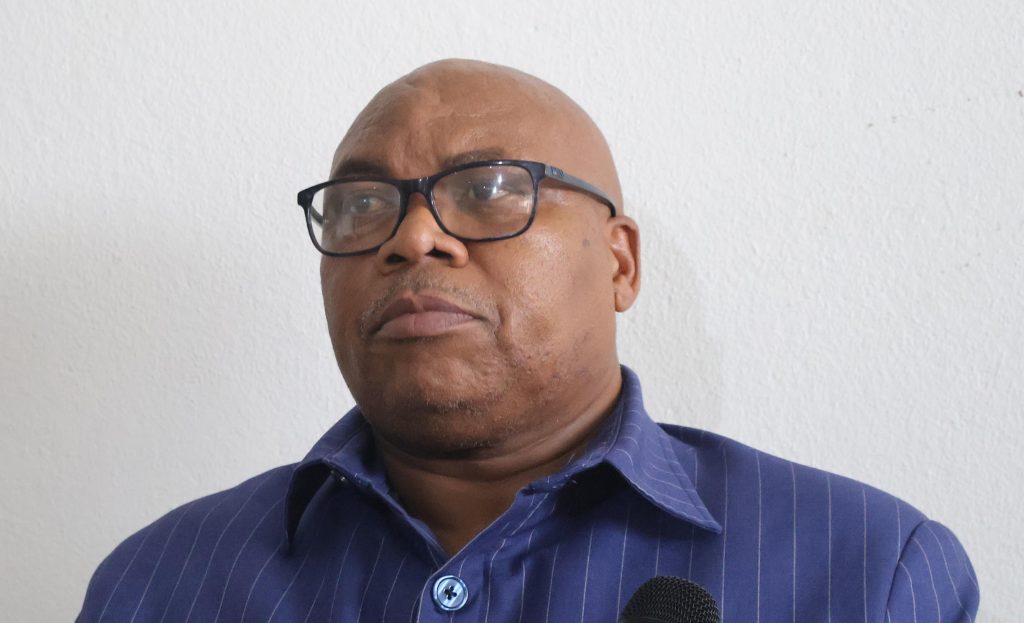
Headteacher warns of Maths, Science teacher shortage
MANZINI – The shortage of Mathematics and Science teachers, coupled with inadequate classroom infrastructure, could present challenges to the successful implementation of technology-driven learning in schools, Zombodze National High School Headteacher Bheki Zwane has warned.
Zwane described the Progressive Mathematics Initiative and Progressive Science Initiative (PMI/PSI) as a major project that could transform learners’ attitudes towards the two subjects and encourage more children to develop an interest in them.
He said the initiative was particularly important because most developments across the world were increasingly centred around technology, which required a strong foundation in Mathematics and Science.
According to Zwane, introducing learners to interactive and technology-based teaching methods could help them appreciate the subjects, develop curiosity and become more interested in pursuing them.
He said the project had the potential to inspire children to love Mathematics and Science, which are essential in a world where technological advancement continues to shape different sectors.
However, he cautioned that schools were not without challenges, particularly regarding infrastructure.
Zwane said schools had inadequate classrooms to accommodate the materials and equipment that would come with the initiative.
He explained that the introduction of technology-based learning required sufficient space and suitable facilities to house the equipment and ensure that it was properly utilised.
The headteacher also raised concern over the shortage of Mathematics and Science teachers, describing it as another challenge that needed attention.
He observed that even colleges and universities responsible for producing teachers had relatively few graduates specialising in the two subjects.
This, he said, presented a concern because schools needed adequate numbers of qualified teachers to support the implementation of the initiative and improve the teaching of Mathematics and Science.
Zwane emphasised that the project needed to succeed, given its potential to improve learners’ interest in the subjects and prepare them for a future increasingly shaped by technology.
He said addressing the infrastructure and teacher shortages would be important in ensuring that the initiative achieved its intended objectives.