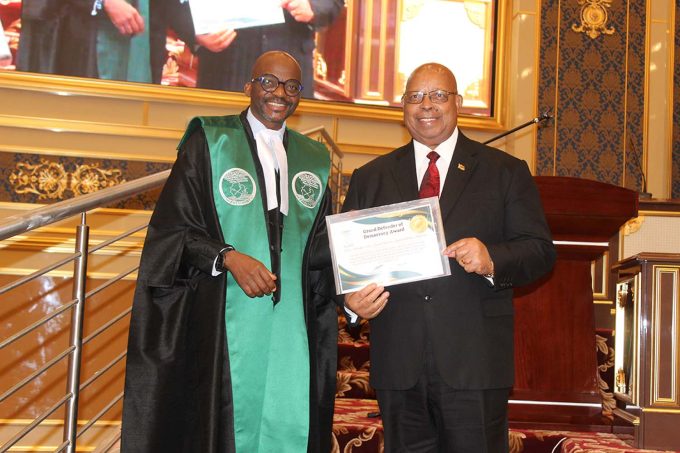

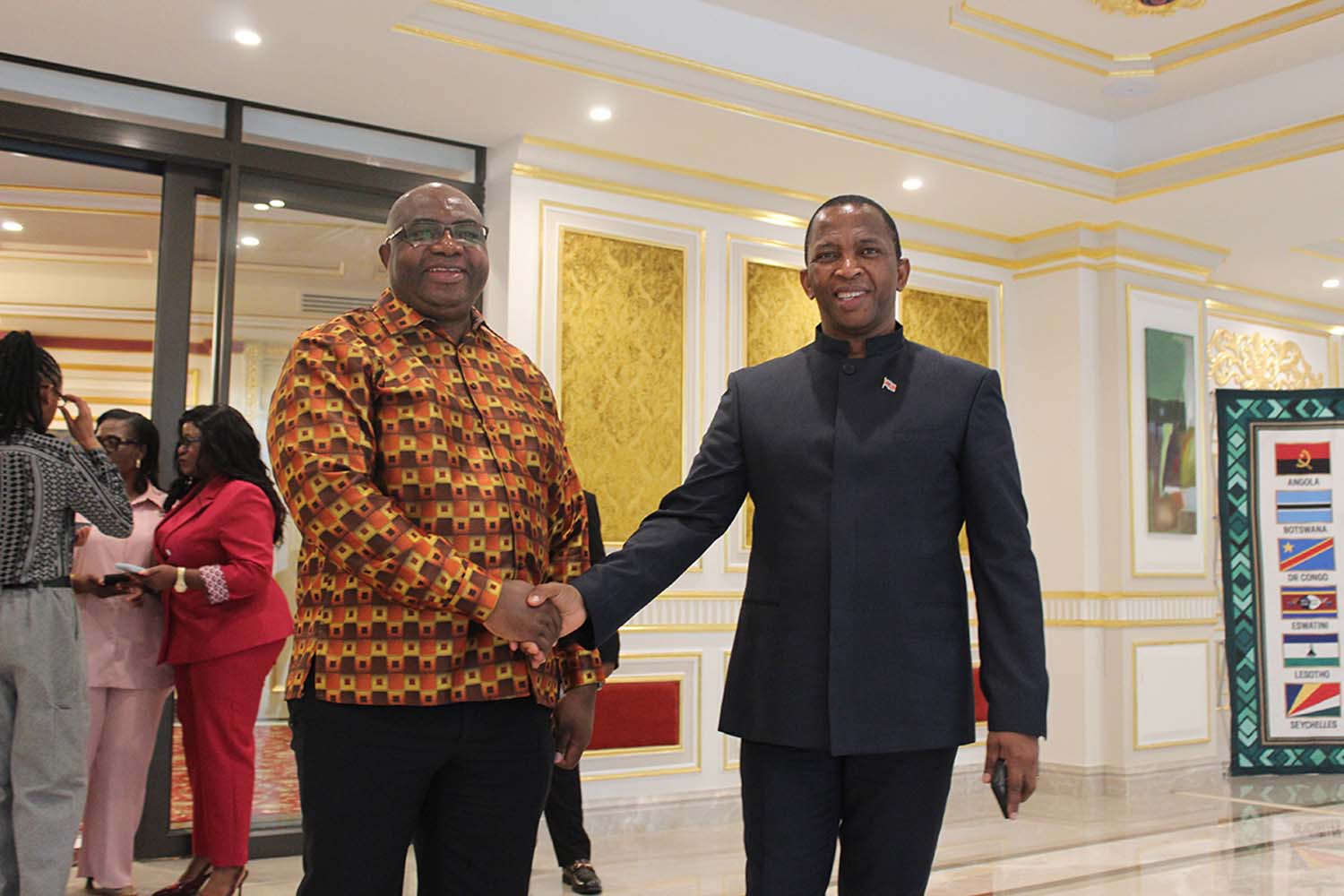
EZULWINI – The 59th Plenary Assembly of the SADC Parliamentary Forum has adopted a series of resolutions aimed at strengthening regional governance, promoting democratic principles and accelerating socio-economic development across the Southern African region.
The resolutions were announced by Speaker of the House of Assembly Jabulani Mabuza while delivering the communique at the conclusion of the five-day assembly held at the Palazzo in Ezulwini yesterday.
The resolutions come at a time when the region continues to confront interconnected challenges relating to governance, economic development, gender inequality and social protection. The plenary assembly also provided an opportunity for legislators to reflect on the implementation of regional instruments and the role of national Parliaments in translating SADC commitments into domestic policies and legislation.
Mabuza expressed appreciation to the Kingdom of Eswatini for hosting the 59th Plenary Assembly, which brought together parliamentary delegations from across the region. It was particularly significant as it returned to Eswatini, where the SADC Model Law on Eradicating Child Marriage and Protecting Children Already in Marriage was adopted in 2016.
The communique was concluded in Ezulwini, Kingdom of Eswatini, on November 25, 2026.
The communique covered the following resolutions:
- Adoption of the Sixth SADC Model Law on Correctional Centre Oversight.
- Implementation of SADC protocols and regional commitments.
- Strengthening gender equality and combating gender-based violence.
- Addressing regional energy challenges.
- Promoting democratic elections and constitutionalism.
- Advancing regional industrialisation.
- Appreciation to the Kingdom of Eswatini for hosting the assembly.
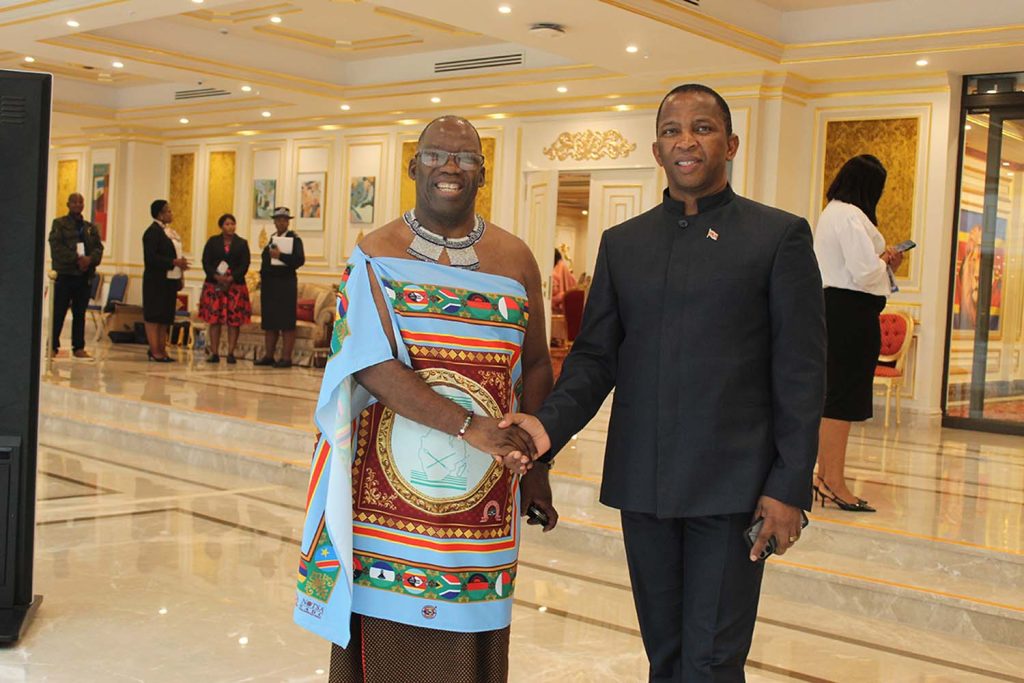
Senator says member States must increase funding for girls’ education in STEM and maritime
EZULWINI – Senator Dr Linda Nxumalo has called on SADC member States to introduce mandatory quotas for women’s representation in maritime and ocean governance, saying gender equality must be reflected in the policies and laws governing the region’s blue economy.
Nxumalo said existing and proposed maritime legislation should be reviewed to ensure that it incorporates gender equality frameworks, including provisions that guarantee women’s participation in leadership positions within the sector. She also called for increased budgetary allocations towards girls’ education in science, technology, engineering and mathematics (STEM), as well as maritime sciences, so women move beyond being participants in the blue economy to occupying leadership positions in managing aquatic resources.
The senator further urged member States to invest in policies and regulations that protect employment, food security and youth participation in blue economy sectors, while calling for gender-responsive budgeting to improve women’s access to finance, skills development, markets and leadership opportunities.
Nxumalo said member States should also be more accountable for commitments made under global, continental and regional instruments on climate change. She urged RWPC members to use parliamentary oversight tools, including questions, hearings, motions and debates, to hold governments accountable for implementing climate-resilient blue economy policies, and called for specific interventions addressing challenges preventing women and girls from participating effectively in climate action, including RWPC sensitisation and advocacy missions across SADC member States.
Speaker of the House of Assembly Jabulani Mabuza called on male parliamentarians to take an active role in championing women’s participation in climate action and ensuring that governments implement commitments aimed at addressing the challenges faced by women and girls.
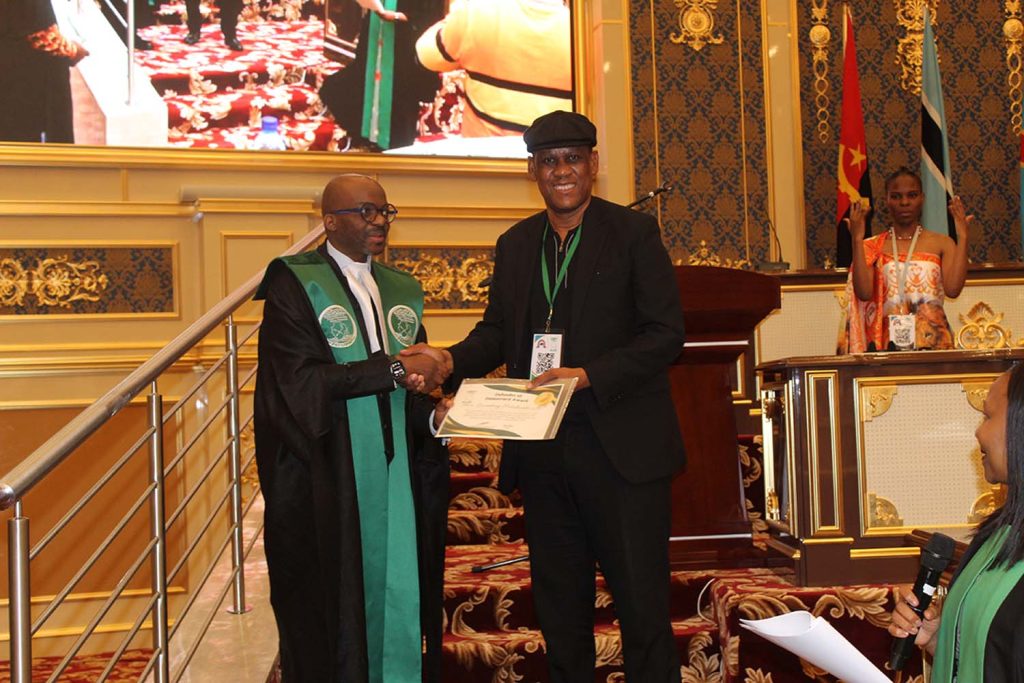
Mabuza said promoting gender equality in climate resilience should not be left to women parliamentarians alone, stressing that all legislators had a responsibility to ensure women were involved in decisions affecting their communities and livelihoods. He said water supply, food systems and livelihood support needed to address the critical needs of women and girls, and emphasised women’s active involvement in planning for resilience and shaping community responses to climate-related challenges, including in post-conflict situations.
Mabuza said national women’s parliamentary caucuses and regional climate change policies provided platforms through which these priorities could be advanced, adding, “This responsibility belongs to all of us.” He specifically challenged male parliamentarians to champion women’s participation and follow up on the implementation of commitments made by member States.
Zimbabwean MP Lynette Karent called on SADC member States to intensify the fight against gender-based violence (GBV) and child marriage, warning that weak implementation and enforcement of existing laws continue to undermine the protection of women and girls. Karent said it was unacceptable that nearly one in three women globally had experienced physical or sexual violence, while child marriage continued to rob young girls of their education, health and dignity, and challenged member States to move beyond commitments to ensure laws and policies translated into tangible protection.