

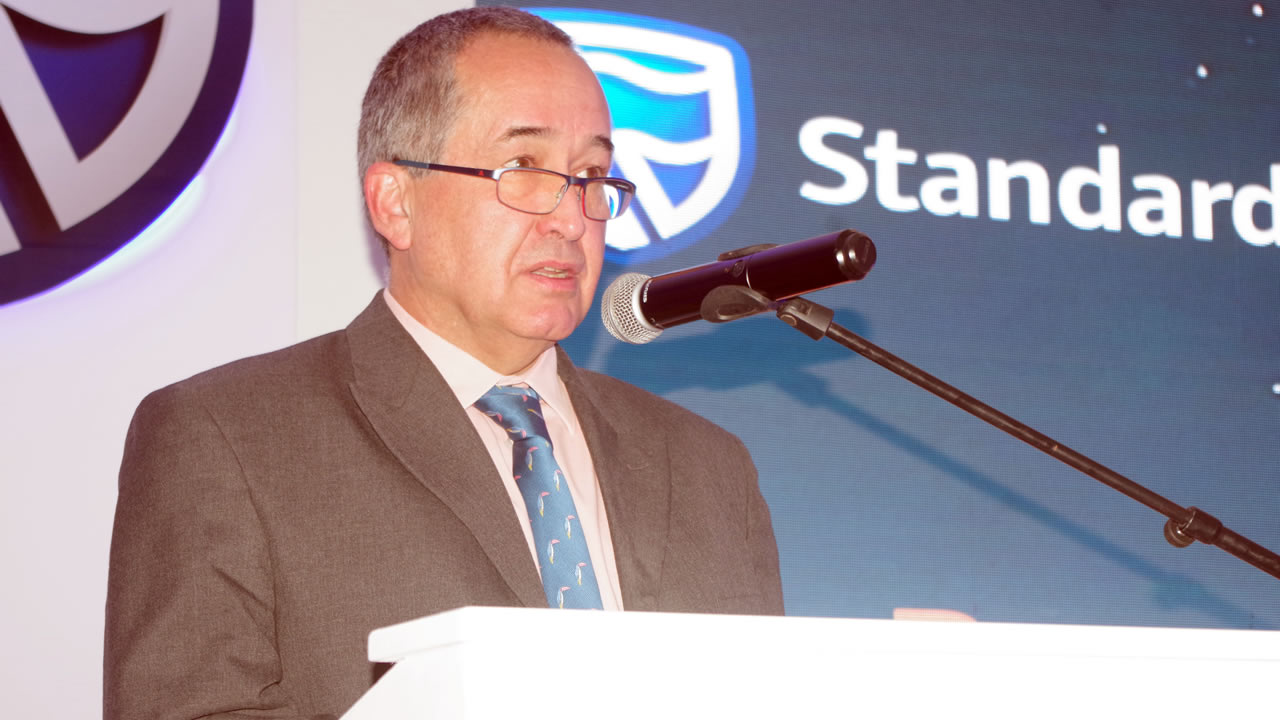
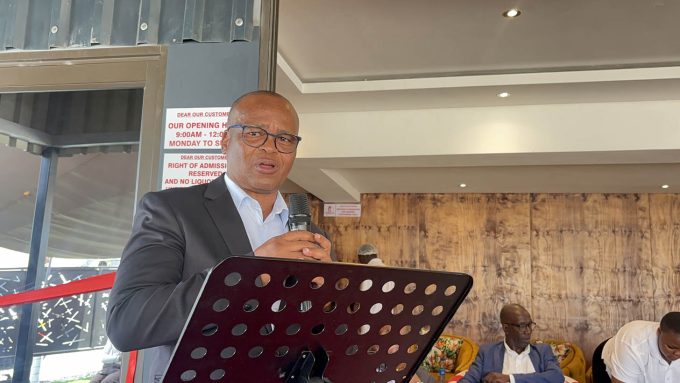
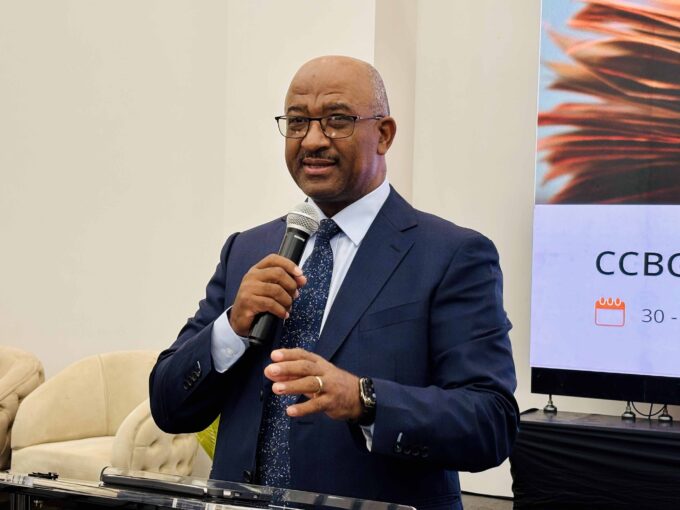
The energy Indaba held yesterday at the Royal Villas, brought together financial sector leaders, government ministers and energy regulators united in pushing for sustainable solutions to the Kingdom’s electricity challenges. Held under the theme ‘Championing Energy Transformation in Eswatini’, this year’s Indaba marked a critical moment in Eswatini’s energy journey, amid ongoing load management, rising electricity costs and a looming end to the Eskom Power Purchase Agreement. Barry Schutzler, Head of Corporate and Investment Banking at Standard Bank Eswatini, reaffirmed the bank’s leading role in financing energy infrastructure and building resilience within the power sector.
Commitment
“We made a commitment at our maiden Indaba in 2023 to become the leading bank in the energy space—and today, we are proud to say we have delivered on that promise,” said Schutzler.
“The Lower Maguduza Hydro Power Project stands as a testament to our resolve.”The flagship Lower Maguduza Hydro Power Plant, developed by African Clean Energy Developments (ACED) and backed by local and international investors, is the country’s first hydro project of this magnitude. It also represents Standard Bank Group’s first-ever hydropower transaction. The 13.5MW project, which secured E1.1 billion in financing, will operate under a 30-year Power Purchase Agreement (PPA) with the Eswatini Electricity Company (EEC). Standard Bank Eswatini contributed E567 million of that funding—including E378 million in term debt—while the Public Service Pensions Fund (PSPF) and Old Mutual were co-financiers. “This project is a game-changer,” said Schutzler. “It is not just about clean power—it’s about building capacity, creating jobs, reducing our reliance on imports, and unlocking more investment in renewable energy.”
Imports
Currently, Eswatini imports roughly 80 per cent of its electricity, with 65 per cent sourced from South Africa’s Eskom. The new hydro plant is part of a wider strategy to localise generation and stabilise the kingdom’s energy market. Schutzler also acknowledged the tough road ahead. With EEC recently requesting a 15 per cent tariff hike—of which only 8 per cent was approved by the energy regulator ESERA—the financial viability of energy utilities is under scrutiny.
“The balance is delicate,” he noted. “Consumers are stretched. Government is subsidising the difference. But with the Eskom agreement expiring and South Africa facing its own crisis, electricity prices are bound to rise.”
… bank’s green finance ambitions
EZULWINI – Standard Bank Group has committed over E450 billion to green financing across Africa between 2025 and 2028.
In Eswatini, this translates into an expanding portfolio of clean energy transactions and infrastructure development. “We are not just here to lend—we are here to lead,” Barry Schutzler told stakeholders. “Eswatini is our home, our only home and we are committed to driving her growth through the energy transition.”
He reiterated that Standard Bank stands ready to partner with government, regulators, and businesses to realise Eswatini’s full renewable energy potential.
The Energy Indaba took place at a time when households and businesses are facing power outages under the current load management regime. These power interruptions have underscored the urgency of transitioning to locally generated and sustainable energy sources. “Consumers are asking if this is the new normal,” said Schutzler. “But initiatives like the Lower Maguduza Project show that transformation is possible—and it’s happening now.”
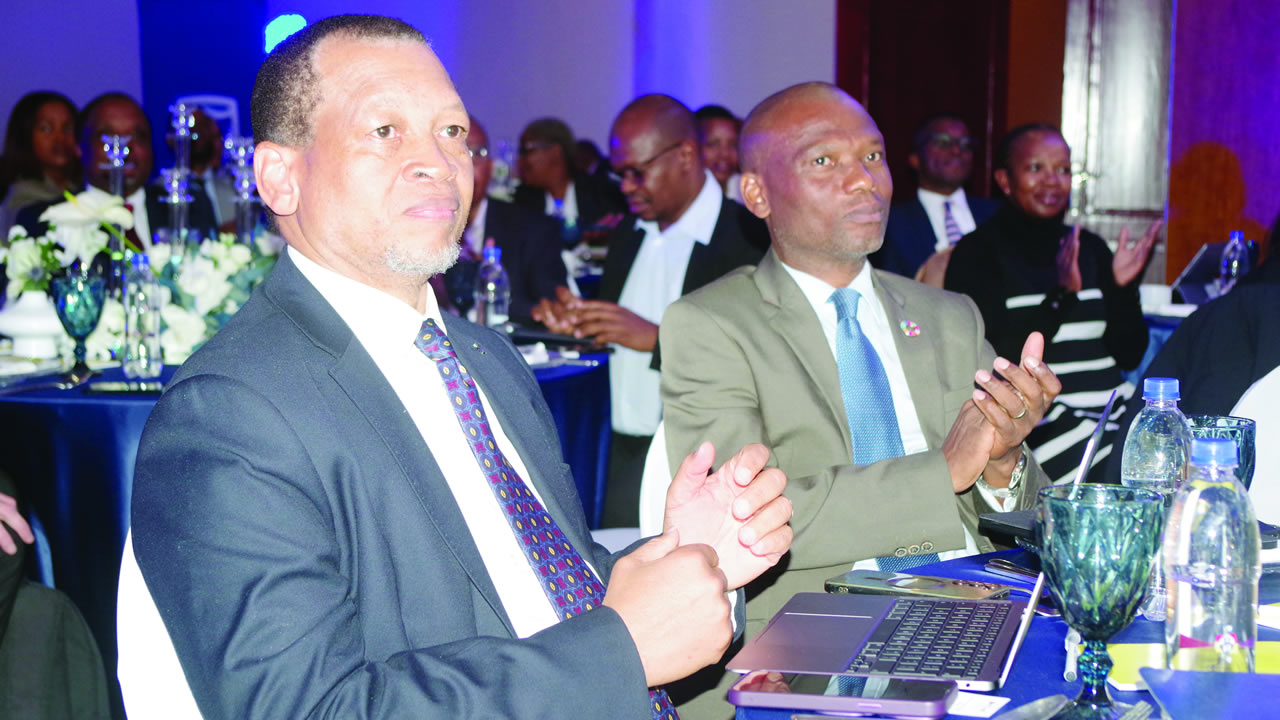
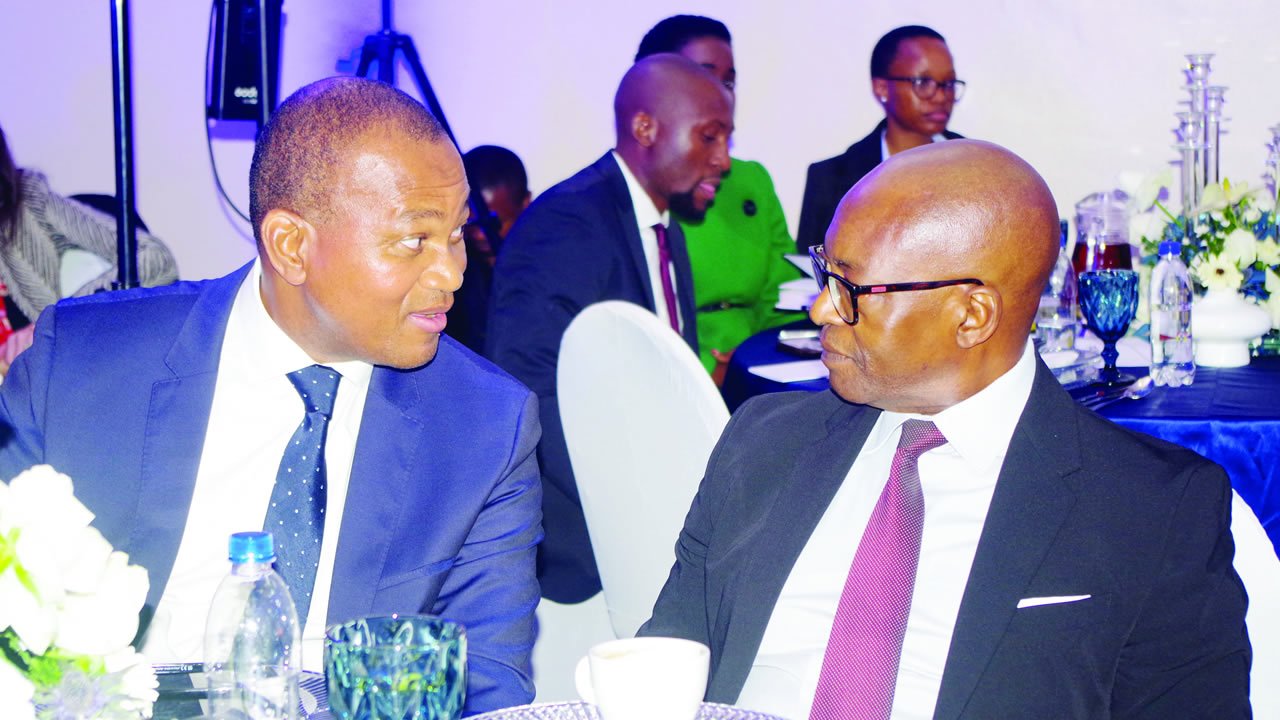
Both government and the private sector agreed that the energy transition is a long journey, but one that can be navigated through innovation, courage, and unity.











Leave a comment