

MBABANE – Local engineering and transport consultancy firms have been presented with a multimillion Emalangeni opportunity to participate in a major road safety audit and inspection project.
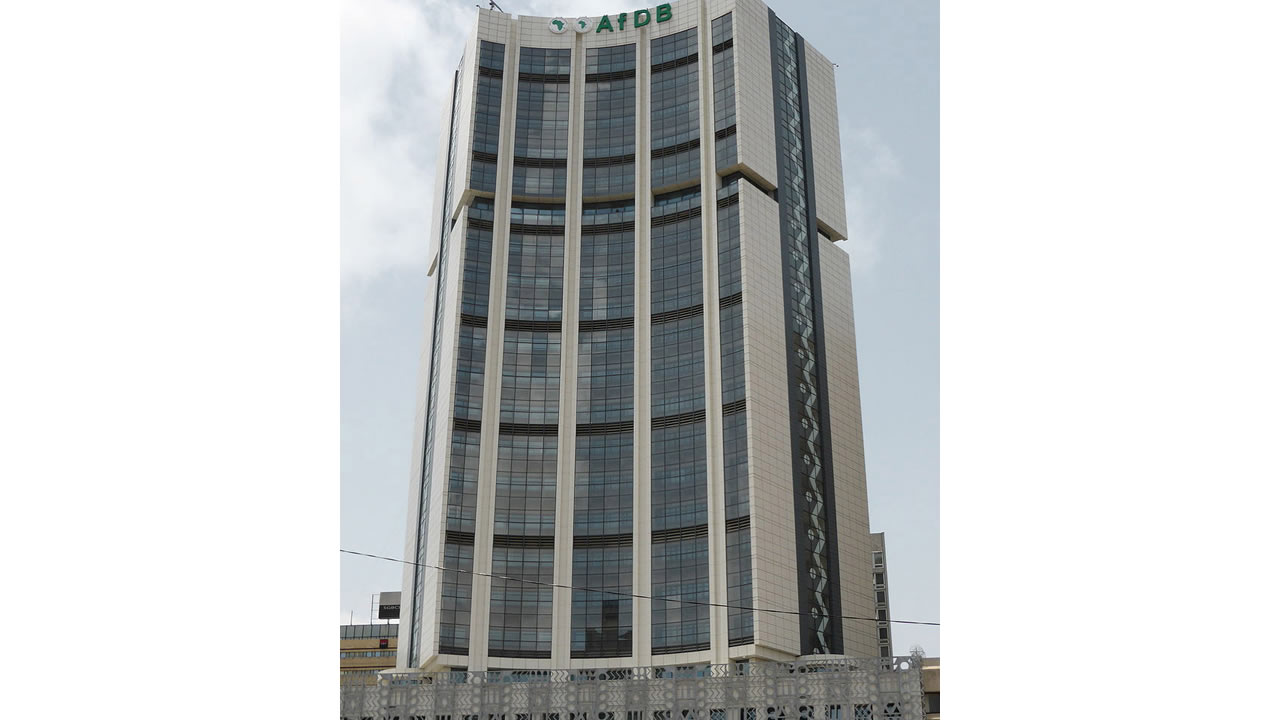
Through the Eswatini Road Infrastructure Improvement Programme (ERIIP) – Phase 1, the African Development Bank (AfDB) is funding a consultancy contract for road safety auditing services on two critical national corridors: the Siphofaneni–Sithobela–Maloma–Nsoko (MR14) and Maloma–Siphambanweni (MR21) roads.
Expressions of Interest (EOIs) are currently being invited from eligible consulting firms, with submissions due by July 11, 2025. The Ministry of Public Works and Transport, through its Roads Department, will oversee the procurement and implementation process. “This opportunity is open to suitably qualified consulting firms, including joint ventures. It reflects the Bank’s commitment to advancing transport safety, reducing road fatalities, and supporting local professional capacity,” the ministry said in a statement.
The goal of the consultancy is to conduct a comprehensive Road Safety Audit (RSA) and inspection of the MR14 and MR21 upgrades. These roads link southern Eswatini’s economic zones with agricultural and cross-border trade hubs, making them vital to the country’s development.
The audit, to be carried out in accordance with the South African Road Safety Audit Manual (SARSAM), will address road safety deficiencies at key stages of the road design and construction process.
According to the tender documents, the RSA will span four critical stages:
1. Detailed Design Review Audit – A review before construction begins, allowing final improvements to be made to road geometry and layout.
2. Work Zone Traffic Management Audit – Assessing safety risks during active construction phases and reviewing traffic management plans.
3. Pre-opening Stage Audit – A site inspection before the road opens to the public, identifying any last-minute dangers or confusion for drivers.
4. Post-opening Road Safety Appraisal – A final audit to evaluate road safety performance after the road is operational, with attention to both daytime and nighttime driving conditions.
Key areas of focus
Consultants will be required to assess elements such as:
- Transition zones and detour routes;
- Adequacy of signage, especially during roadworks;
- Speed limit placements and driver visibility;
- Conflicts between permanent and temporary road features;
- Safety of pedestrian zones and public transport stops;
- Mud, dust, and obstructions that may obscure signage;
- Congestion and incident management strategies.
The audits are designed to mitigate risks early, ensuring that safety challenges are resolved before they endanger road users or disrupt future operations.
The assignment will span seven months, aligned with the road project’s design, construction, and post-construction phases. Firms that win the contract will work closely with the Ministry of Public Works and Transport and may coordinate with the project contractors and engineers.
Interested companies are expected to demonstrate:
- Proven experience in similar assignments, preferably in the SADC region;
- Familiarity with international and regional road safety standards;
- Availability of qualified transport engineers, safety auditors, and support staff;
- Capacity to deliver both technical reports and on-site inspections.
The shortlisting and selection process will be governed by the African Development Bank’s Procurement Framework for Bank Group-Funded Operations – Consultants (2015), ensuring transparency, competitiveness, and value for money.
The consultancy call represents a significant opportunity for Eswatini-based firms and joint ventures to gain access to regional donor-funded projects and build their capacity in the high-demand field of road safety auditing.
It aligns with the government’s goals to empower local businesses, transfer skills, and improve road user safety, especially on rural and regional corridors that often lack safety infrastructure.














Leave a comment