

First and foremost, I would like to commend the government for its swift and decisive action in addressing the outbreak of foot-and-mouth disease (FMD) in the Shiselweni region.
This is a clear demonstration of the ‘nkwe!’ spirit— responding with urgency and determination to national challenges.
When the Ministry of Agriculture recognised the rapid spread of the disease and its potential to cripple the country’s meat industry, it acted promptly by involving the National Disaster Management Agency. This agency, known for its agility in emergency situations, is instrumental in coordinating the response.
Government’s allocation of E40 million to combat the outbreak was a timely and necessary intervention. Today, checkpoints are fully operational in the affected areas, and I urge the public to cooperate fully with the Ministry of Agriculture and the Eswatini Police Service. Smuggling meat across checkpoints undermines these efforts and could lead to devastating consequences for the entire country.
While we acknowledge this effective response, it is also important to reflect on other pressing national issues — particularly the role of non-governmental organisations (NGOs) in promoting and protecting human rights in Eswatini.
So, what exactly are NGOs? According to Britannica, an NGO is a voluntary group of individuals or organisations, usually not affiliated with any government, that is formed to provide services or advocate for public policy.
Wikipedia defines an NGO as a not-for-profit, voluntary citizens’ group organised at local, national or international levels to address issues in support of the public good.
NGOs are ideally positioned as partners to government, extending services and support to communities that are often underserved. They are not adversaries of government policy but rather allies who help communicate government initiatives to the people and, equally importantly, convey the concerns and struggles of the people — especially regarding human rights — back to the government.
This dual role is recognised in the Constitution of Eswatini. Section 60(2) states: “The State shall guarantee and respect the independence of non-governmental organisations which protect and promote human rights.” This forms the legal foundation for NGOs to actively engage in human rights advocacy.
However, since the civil unrest of 2021, NGOs have faced significant challenges. Some senior government officials have accused them — without presenting any evidence — of instigating the unrest.
This has led to a decline in public trust. Despite these setbacks, it is crucial for NGOs to return to their core mission: To be bridge-builders in a society that is increasingly polarised and fractured.
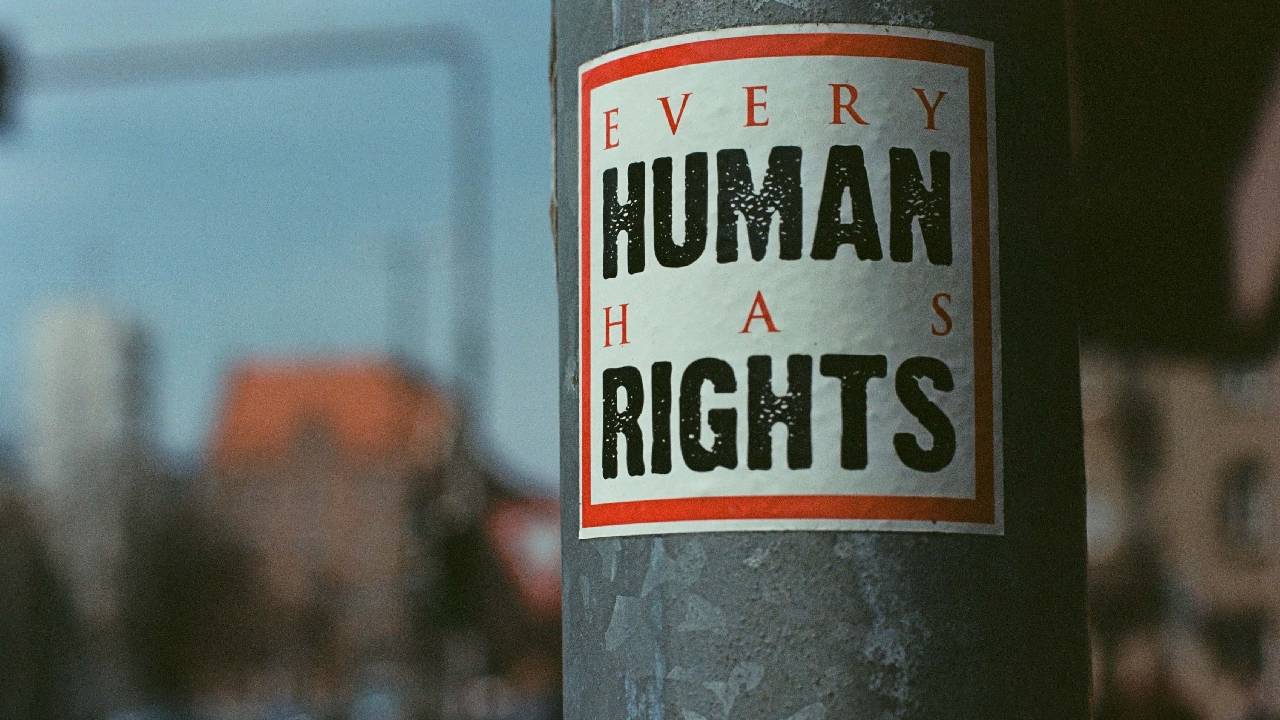
Human rights in Eswatini remain a contested and sensitive issue. Despite being enshrined in the Constitution, some government officials have publicly dismissed them as foreign concepts.
This stance is not only unconstitutional but also deeply troubling. Human rights are not foreign — they are universal, inalienable and indivisible. They affirm the dignity of every human being and are essential for peace, justice and sustainable development.
Unfortunately, in Eswatini, human rights are often violated with impunity. The right to life is undermined by a healthcare system in perpetual crisis. Health professionals have gone so far as to say they can only pray for patients due to a lack of essential tools and medicines. The right to protest is routinely denied, with police shutting down even private meetings.
Government often interprets the absence of public demonstrations as a sign of peace, but this is a dangerous misconception. Beneath the surface, many emaSwati are angry, frustrated and disillusioned with a government that appears unable to meet their basic needs.
The rights of vulnerable groups — women, children and persons with disabilities — are also frequently violated. Gender-based violence remains rampant, and access to education and healthcare for children and people with disabilities is still inadequate. These are not isolated issues; they are systemic problems that require urgent attention.
This is where NGOs must step in with renewed energy and purpose. They must use every available platform — mainstream media, social media, community forums — to educate the public about their rights and how to claim them.
They should organise inclusive dialogues that bring together citizens, civil society and policy-makers, including members of Parliament. These conversations can help bridge the gap between the people and the State, fostering mutual understanding and accountability.
NGOs must also invest in building their credibility and transparency. By demonstrating professionalism, neutrality and a commitment to the public good, they can rebuild trust and reassert their legitimacy as key players in national development and human rights advocacy.
In conclusion, NGOs in Eswatini have a constitutional mandate and a moral obligation to promote and protect human rights. Despite the challenges they face, they must not retreat. Instead, they should rise to the occasion, reinvigorate their efforts and continue to be the voice of the voiceless. Only then can we build a just, inclusive and peaceful society for all emaSwati.

















Leave a comment