

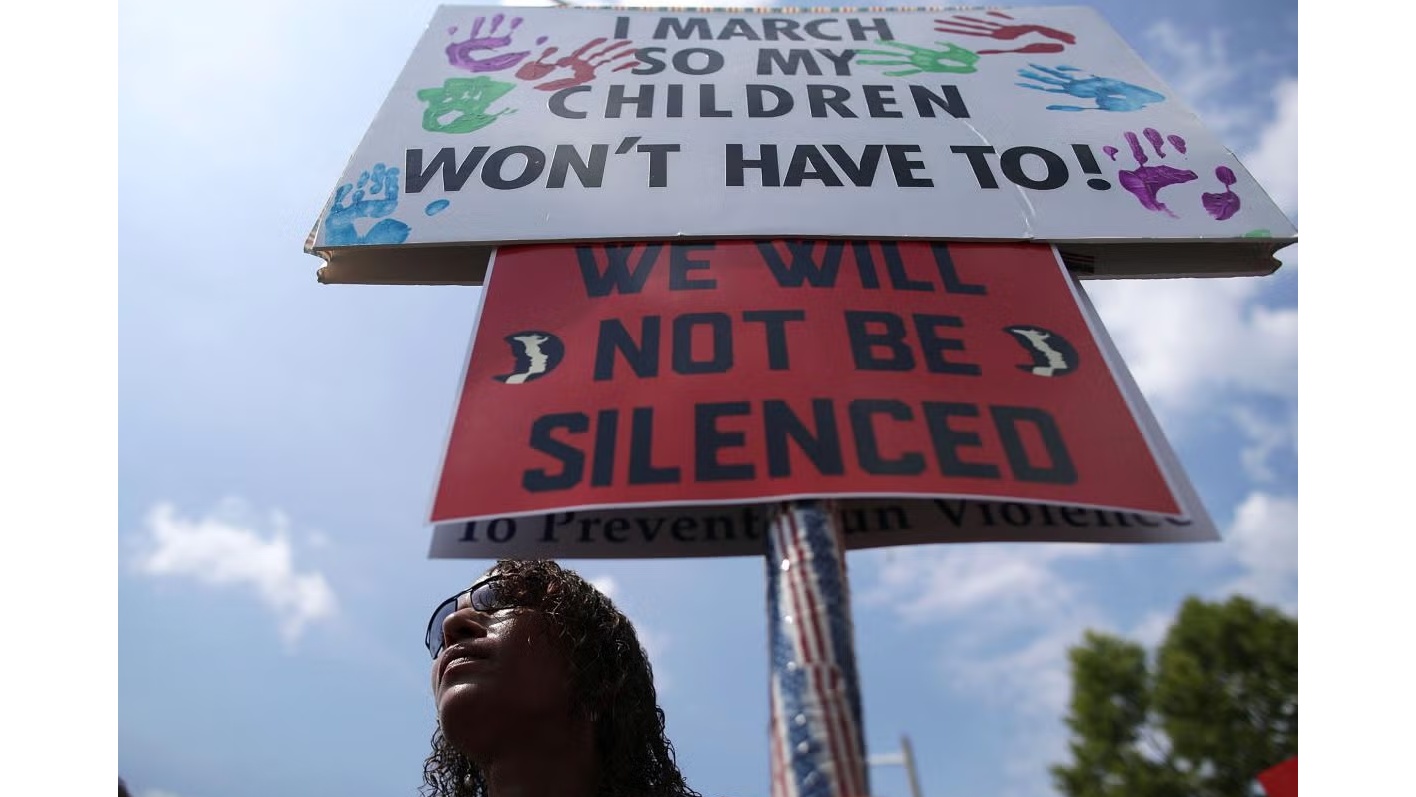
Silence is often mistaken for peace. In many of our communities, women are raised to keep quiet about the injustices they face, whether at home, at school or in the workplace. We are told not to ‘make noise’, not to ‘bring shame’ and not to ‘destroy a good man’s reputation’. Yet, what we call peace is often a carefully constructed silence that protects perpetrators and punishes survivors.
The true cost of this silence becomes visible when one woman, after years of carrying pain in solitude, finally decides to speak.
Almost immediately, her story echoes in the voices of others who had also been harmed, waiting for courage; waiting for someone else to break the wall first. We have seen this pattern too many times.
When a nurse was accused of rape, more than 20 women came forward to say, they too had been violated by him. The same happened with a teacher who stood before classrooms pretending to be a role model, only for over 20 victims to later reveal that he had used his position of power to prey on them.
What is striking in these cases is not only the number of survivors, but also the chilling reality that their silence allowed abuse to continue unchecked. For years, each woman thought she was alone.
Each carried the shame, as if it belonged to her and not the man who harmed her. Each feared the disbelief, ridicule or retaliation that might follow if she dared to speak. So the abuse stretched on, weaving itself into daily life, hidden beneath uniforms, church clothes and the polite smiles we are taught to wear.
This is the price of silence. It is not simply the burden on the individual woman who stays quiet. It is the collective cost we pay as a society, when predators are allowed to operate freely because no one has spoken out. Silence multiplies harm. It emboldens the abuser and leaves a trail of survivors in its wake.
However, silence is not just a personal choice, it is also enforced. Survivors are silenced by threats, by community gossip, by institutions that would rather protect their reputation than confront wrongdoing.
A girl who reports her teacher risks being accused of ‘seducing’ him. A nurse’s patient may be told she imagined her assault. Families may hush daughters to ‘protect their future’ while the abuser continues living his life unscathed. Our society punishes truth-telling and rewards silence, and this is how predators thrive.
Yet, there is power in breaking silence. When one voice rises, it creates space for others. We see it in survivor-led movements across the world and in our own communities. The first woman’s story is often the hardest to tell, because she steps into the unknown.
Furthermore, when she is heard, when her courage is met with solidarity instead of shame, a dam breaks. Suddenly, what seemed like an isolated tragedy is revealed as a systemic problem. Suddenly, the spotlight shifts from questioning the survivor to questioning the man who has left a trail of devastation.
The question we must ask ourselves is: How many women must be harmed before we learn to listen the first time?
How many survivors must pile up before we believe the one who stands before us, trembling but determined? By the time 20 women are brave enough to speak, how many years of silence have already been stolen from them? How many opportunities for justice have been lost?
If we truly wish to end abuse, then we must start by ending the culture of silence. We must raise our daughters to know that their voices matter. We must raise our sons to understand that accountability is not negotiable.
Schools, hospitals, churches and workplaces must create environments where survivors can report abuse without fear of retaliation or ridicule. Most importantly, as communities, we must stop siding with perpetrators in the name of ‘reputation’. The reputation we should be concerned about is not that of institutions or individuals, it is the reputation of justice itself.
Breaking silence is never easy. It costs women their jobs, their relationships, sometimes even their safety. But the cost of silence is far greater. Silence is what allows predators to become serial offenders. Silence is what makes us complicit in the suffering of others. Additionally, silence is what ensures that when one woman is harmed, 20 more will follow.
It is time we chose courage over silence, truth over comfort and justice over reputation. For, until we do, the price of silence will always be paid in the bodies and lives of women.

















Leave a comment