

Could Eswatini become the African headquarters for traditional and cultural heritage? Could His Majesty King Mswati III alter the course of history by championing renewed recognition for traditional governance in modern Africa? Could he become the missing voice for traditional leaders at the African Union (AU)?
These questions arise from the outcomes of the inaugural African Indigenous Governance Council (AIGC) Forum, attended by kings, queens and traditional leaders from over 50 African countries. Their mission was to reclaim their ‘rightful seat’ in the political landscape of nations, where their authority was once paramount. They unanimously identified the Ingwenyama as their preferred spokesperson at the AU to advance this cause.
The Shiselweni Regional Administrator, Themba Masuku, views this as a turning point for the king. “His influence will be substantial and will require support from chiefdom level,” he said.
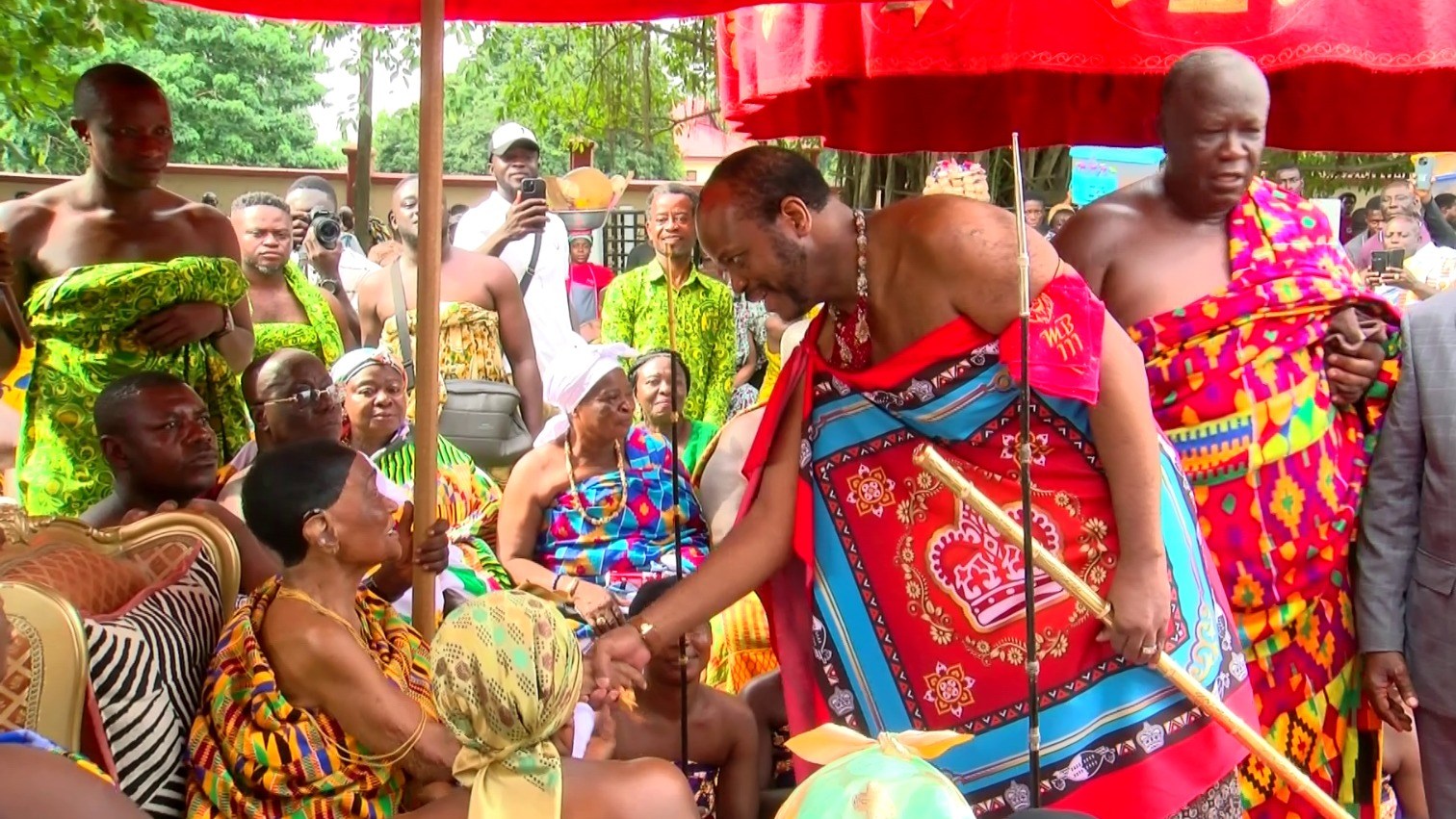
The forum coincided with the annual Reed Dance (Umhlanga), a renowned global tourist attraction. The 54 chiefs and traditional leaders from across Africa joined thousands of spectators to witness this cultural spectacle; which exemplifies the heritage they seek to preserve in their respective countries.
One of the highlights of this year’s event was King Misuzulu kaZwelithini of the Zulu nation who captivated the crowd with a public traditional proposal to his bride-to-be, Liphovela Undlunkulu LaMdluli. This blend of romance and culture, eagerly photographed by tourists, pointed to the the AIGC’s aim to revive such traditions.
Beyond the 54 chiefs, this year’s Umhlanga drew approximately 2 634 maidens from countries including Ghana, Botswana, Limpopo and the Ndebele nation, drawing attention to the culture’s role in uniting African nations.
The forum of leaders, held at Esibayeni Lodge in Matsapha, in partnership with the AU, under the theme, ‘Justice for Africans and People of African Descent through Reparations’, endorsed our King as the ideal leader to promote monarchies and traditional authorities across Africa; following their marginalisation during colonial rule and the adoption of Western democracy.
Eswatini has been able to retain her monarchy since independence in 1968 under the Tinkhundla System, referred to as Monarchical Democracy.
In his speech, delivered by Prince Guduza, King Mswati III stated that Eswatini’s Tinkhundla system proves that tradition and modern governance can coexist and ensure inclusivity.
He expressed concern about the livelihoods of Africans living on fertile soil, asking: “Why do we remain poor when Africa is the richest continent? Let us come up with African solutions.”
He highlighted events like the Reed Dance, Incwala, Buganu and Butimba for maintaining cultural identity and engaging communities, particularly the youth, urging African nations to preserve such practices.
The forum concluded with an Eswatini Declaration, calling for unity, cultural preservation and justice. Leaders from Cameroon, Mali, Somalia, Kenya, Zambia, Ghana, Nigeria and South Africa unanimously requested the King to represent them at the AU, as a leading figure among African monarchs.
The declaration supports monarchies collaborating with modern systems to address poverty, inequality and historical injustices from slavery, colonialism and apartheid.
This responsibility will be no walk in the park. Many African governments, shaped by post-independence policies, view monarchies as outdated; relegating them to ceremonial roles, as seen with King Misuzulu in South Africa and King Letsie III in Lesotho.
However, traditional leaders believe that their systems provide stability through cultural legitimacy and predictable leadership transitions, reducing instability seen in some democracies. They see their roles supporting community development and conflict resolution.
At the reed dance, His Royal Highness Dr Mwanta Ishima, Secretary General of the Forum of African Traditional Authorities (FATA), said: “The King is not only a traditional leader, but also a Head of State, making his voice at the AU instrumental. We currently lack a traditional voice at the African Union.”
The task is daunting, more so because the power of the AIGC is limited. It is a non-profit organisation established in 2020, representing traditional leaders and networks in Africa, focusing on indigenous governance, cultural heritage, peace, reconciliation and integration into modern frameworks.
Though not an official AU entity, the AIGC is a collaborative partner, advocating for greater inclusion of traditional authorities in continental decision-making.
Deputy Prime Minister Thulisile Dladla described the event as an opportunity to reaffirm the value of indigenous traditions and governance systems.
King Mfaw Robinson Tanyi of Cameroon’s Tinto-Mbu Kingdom, who convened the conference, announced plans to return next year with at least 150 traditional leaders, demonstrating their commitment.
It is clear that the King is seen as more than Eswatini’s head of State. The traditional leaders see him as the only hereditary monarch leading an AU member State and is, therefore, uniquely positioned to advocate for traditional leadership across Africa. This is a significant recognition. The future and sustainability of African culture and traditions has been placed at our doorstep. The pressing question remains: How will we embrace and execute this great honour and continental responsibility?
















Leave a comment