

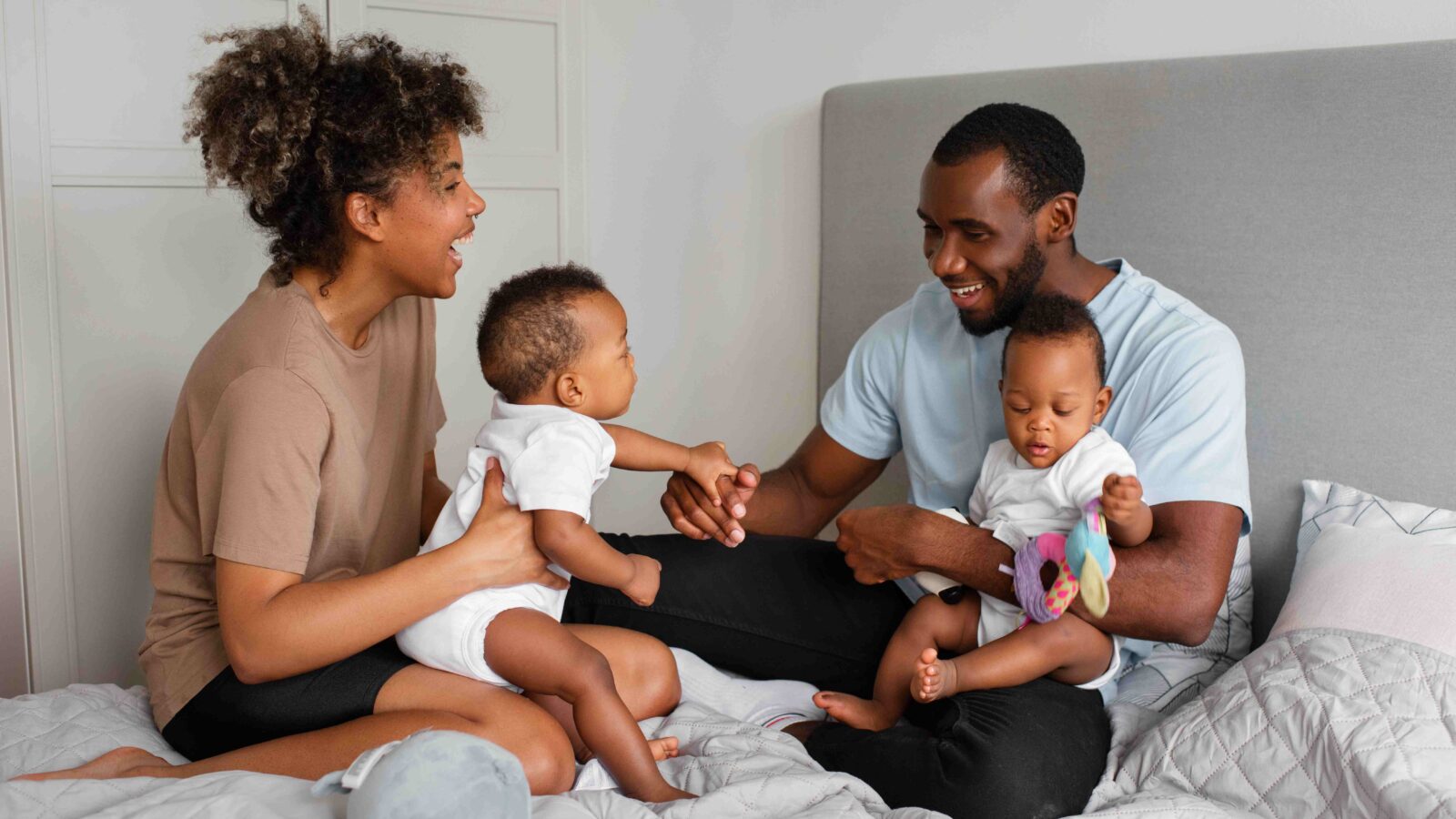
Parenthood is arguably one of the hardest, most cumbersome responsibilities ever bestowed onto mankind, as this has been the case for centuries before us. Inasmuch as the field of parenting has, somewhat, morphed and shifted shape on account of the changes of the times; the one general consensus has been that parenting takes dual effort – from both, mother and father, who come together and pool whatever resources they have toward the raising of the newest member of their family. Of course, in an ideal world, this would be a norm. However, in the world we live in, it takes on a different route in that regard and because of that, it is becoming too much of an occurrence that this very key role (that of parenting) has, unfortunately, fallen solely into the hands of only one parent – the mother.
With the prime exception of couples who are legally bound, the vast majority of couples who have children together struggle with the psycho-emotional complexities which come with that. They, therefore, find it quite difficult to make the relationship work, especially upon the arrival of a newborn (sometimes, even after the discovery of the pregnancy), which often leads to an emotional split which is, sometimes, swiftly followed by a physical exit that often leaves the gaping hole of child raising in the hands of the new mother.
With that being said, I am not here to make a case for fathers, who intentionally ignore and forcefully abandon their partners, especially at a time when she (herself) could do with some purposeful psycho-emotional support from her significant other.
As a new father myself (I have a beautiful daughter), I can firmly state that the whole experience is quite intense at times and different in that you have never felt it before, especially for first-time fathers. From a psychological perspective, we as males, tend to be naturally avoidant towards situations that make us nervous, unsure and require a new level of adjustment and thinking.
Of course, this is not the case for all of us, but for a notable percentage, our psychological triggers are different and often you find that for many males, this is the reaction they opt to go with. This is why the word ‘emotional maturity’ gets thrown around a lot, when we speak of real-life situations, such as stepping into fatherhood; because it is one of the main ingredients you need to make the ‘perfect dad’ soup.
First of all, as the father, it is important that you are emotionally invested in both the mother of your child, as well as the child itself. With this as a base, it becomes easier to ‘work from there’ and use that to guide your steps as a new father.
Second, a few sessions of self-introspection will do you perfectly fine. Basically, engaging deeply with yourself psychologically and adjusting to your new responsibility; all this while making sure you are considering the emotional state of your partner as well, all help. It cannot be overstressed how important it is for both parents to be in, at least good, communication terms for the sake of the child. From clinic visits to baby groceries, it is hugely the role of the father to assist the mother in creating a world fit for a newborn; comfortable, nourishing and psycho-emotionally safe. This is not to ignore the real-life challenges that often force conflict and disagreement between couples. However, it is important to recognise the involvement of a third innocent soul that deserves to grow up under the warmth of both his or her immediate family. Also, from a mental health perspective, the long-term effects of being at the centre of an emotional conflict between two adults may become distressing in future; therefore, the earlier we nurse it, the better it will serve in future.
Send comments to runsford0505@gmail.com


















Leave a comment