

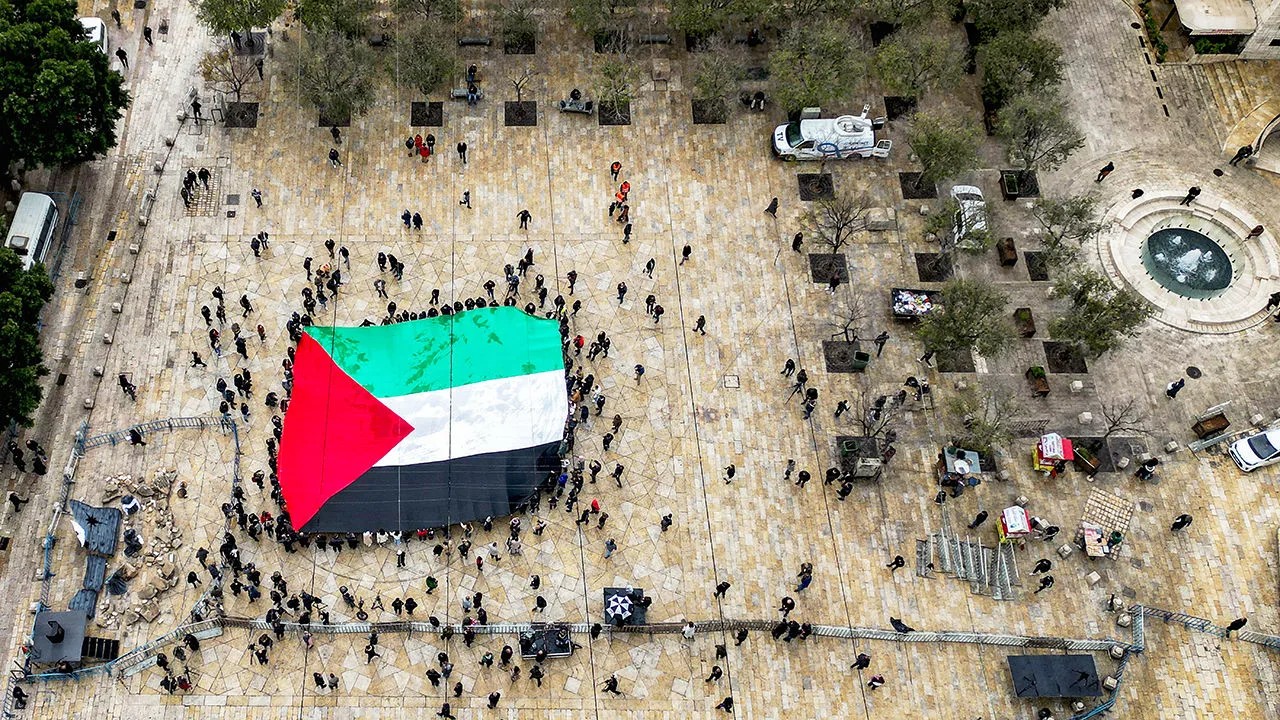
The United Kingdom, Portugal, Canada and Australia have in the past week, through coordinated action, announced that they will now recognise Palestine’s Statehood. France in concert with six other European countries are also highly anticipated to join the fray of countries to formally recognise Palestine’s Statehood.
These countries view a two-State solution as an impetus to engender broader peace in the Middle East region. The question that begs an answer is how will these shifts in global geopolitical relations impact our economy. Furthermore, we ask what it means for the current state of supply chains and global trade relations. We begin by examining the political and economic case for a two-state solution as agitated for by these world powers.
Two-State solution
The two-State policy refers to a long-standing international framework aimed at resolving the Israeli-Palestinian conflict by establishing two sovereign nations – Israel and Palestine living side by side in peace and security. The policy envisions a Palestinian state comprising the West Bank, Gaza Strip and East Jerusalem as its capital, alongside the existing State of Israel. It has been endorsed by the United Nations, the European Union and the Arab League and remains central to diplomatic efforts seeking a just and lasting peace. Despite decades of negotiations and intermittent progress, the two-State solution has faced setbacks due to expanding settlements, political fragmentation and recurring violence.
UK Prime Minister Keir Starmer described the move as an effort to ‘revive the hope of peace’ and advance the two-State solution. Canada’s Prime Minister Mark Carney emphasised that recognition empowers peaceful actors, while explicitly distancing the gesture from any endorsement of terrorism. Australia’s Prime Minister Anthony Albanese framed the decision as part of his country’s longstanding commitment to peace and coexistence. This signals a renewed push by global leaders to push for a peaceful resolution of the Israel-Gaza conflict.
US and Israel response
The US, under President Trump, criticised recent recognitions of Palestinian Statehood as ‘performative gestures’, arguing they distract from priorities like hostage release and regional stability. The US also vetoed a UN ceasefire resolution over its omission of Hamas condemnation. Israeli Prime Minister Netanyahu condemned the move as a ‘huge reward for terrorism’, rejecting any Palestinian State west of the Jordan River. He and senior officials threatened retaliatory actions, including settlement expansion and annexation, ahead of his UN General Assembly address.
Middle East relations
The recognition of Palestinian Statehood by key Western nations has deepened diplomatic divisions in the Middle East, emboldening Arab States while straining Israel’s ties with moderate partners. Israel’s rejection of the two-State solution and threats of annexation undermine peace efforts and risk entrenching a one-State reality, marked by inequality and conflict. Though immediate trade impacts are limited, escalating tensions could disrupt regional investment and security cooperation. Israel’s aggressive posture may provoke backlash from Arab constituencies, while instability in Gaza and the West Bank could trigger humanitarian crises and broader geopolitical consequences across the region.
Foreign policy recalibration
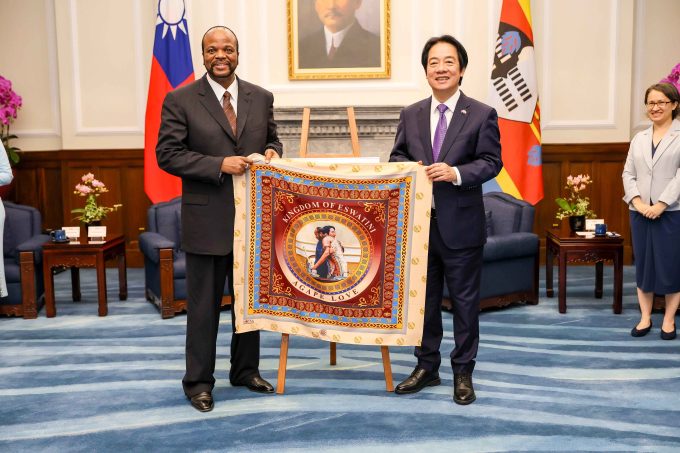
The recognition of Palestinian statehood by Western nations presents both opportunities and challenges for SADC and Eswatini. For SADC, it reinforces long-standing support for Palestinian sovereignty and strengthens South–South solidarity, potentially amplifying its voice in global diplomacy. Eswatini may need to recalibrate its foreign policy, balancing ties with Israel and Palestine while upholding principles of peace and international law.
Economic perspective
The recognition of Palestinian Statehood by key Western nations is unlikely to have immediate direct economic consequences for the Kingdom of Eswatini, but it carries strategic implications that warrant close monitoring. The kingdom maintains diplomatic ties with both Israel and Palestine. Any escalation in tensions could require careful foreign policy navigation to avoid jeopardisng trade, aid or technical cooperation. While trade volumes with Israel remain modest, shifts in donor sentiment, particularly from Western allies could influence development financing and bilateral programmes. Regionally, Eswatini may be called upon to align with broader SADC and African Union positions on Palestine, which could affect its standing in multilateral negotiations involving trade, investment and peace diplomacy. A principled stance may improve its credibility and attract new partnerships.
Domestically, the recognition wave may energise civil society organisations focused on human rights and global justice; potentially unlocking funding, regional collaboration and capacity-building opportunities. However, if Middle East tensions escalate into broader conflict, global commodity markets, especially oil could be affected. As a net importer, the country may face inflationary pressures and supply chain disruptions, particularly in fuel and food prices. These indirect effects underscore the need for strategic foresight in our economic planning and foreign policy engagement amid shifting global dynamics.
Balancing act
To minimise economic fallout from shifting geopolitics, government must adopt a balanced foreign policy rooted in peace diplomacy and international law. Strengthening SADC and AU alliances is key, to safeguard trade and aid flows. Diversifying trade portfolios, especially in fuel and food, will enhance resilience. The current landscape also calls for improved regional security and investment in African oil refineries to reduce exposure to global fuel shocks. Strategic foresight and coordinated action are essential to protect Eswatini’s economy amid rising global uncertainty and diplomatic realignments.

















Leave a comment