

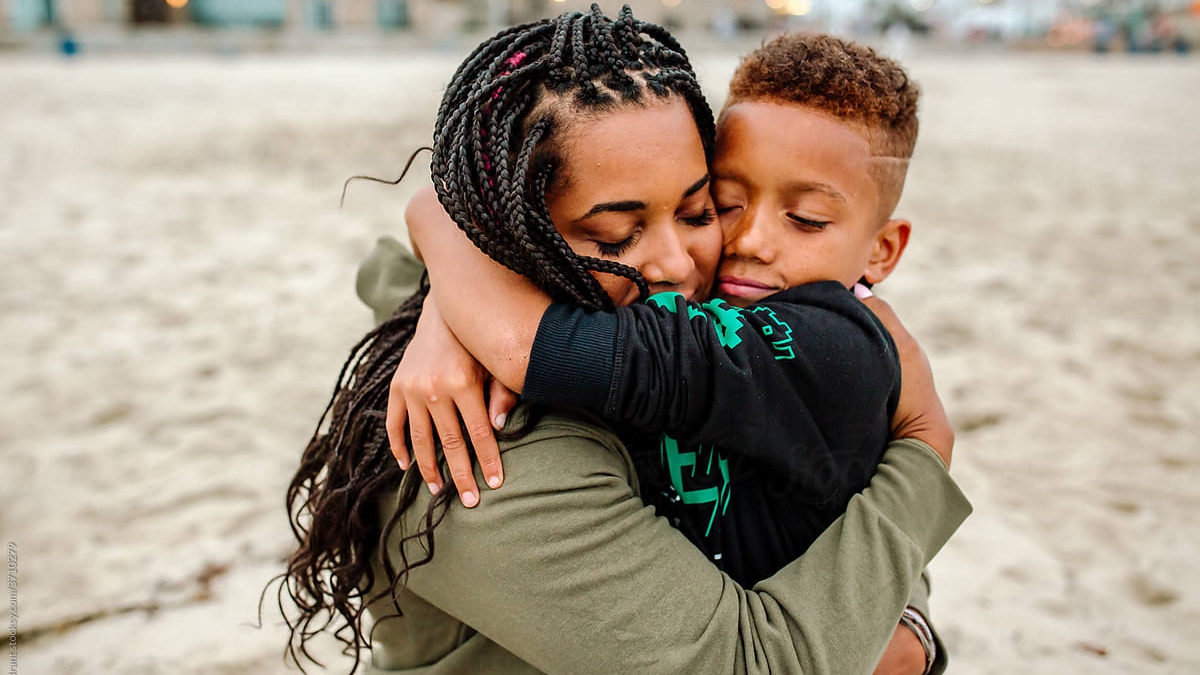
The term ‘boy mum’ is a buzz across social media platforms, mostly accompanied by hashtags, sentimental posts and aesthetic reels; celebrating the unique bond between mothers and their sons. On the surface, it appears harmless, even heartwarming. After all, parenting is deeply personal and many mothers understandably celebrate their connection with their children, yet, beneath this cultural trend lies a more complex and controversial dynamic. The ‘boy mum’ identity, when taken to extremes, can perpetuate harmful gender norms, enable hypermasculinity and inadvertently reinforce patriarchal values that continue to shape society.
The rise of ‘boy mum’ identity
The ‘boy mum’ label has become an identity for most, with mothers proudly declaring their unique challenges and joys in raising sons. Posts often highlight muddy shoes, endless energy, roughhousing and the ‘protective’ bond between mothers and their boys. While these reflections may stem from love, they also contribute to an essentialist view of gender: Boys as inherently wild, aggressive and in need of a mother’s special devotion. This identity often positions mothers of sons as part of an exclusive cultural club – framing their experiences as fundamentally different and sometimes, superior to those of mothers raising daughters. Though it may seem lighthearted, this framing reinforces rigid gender stereotypes that influence how boys are raised and how they come to see themselves in the world.
Problematic aspects of ‘boy mum’ narrative
One of the most problematic aspects of the ‘boy mum’ perspective is its role in normalising hyper-masculinity. By constantly reinforcing the idea that boys are naturally rough, unruly or unemotional, mothers may excuse behaviours that should be challenged, rather than indulged. Aggressive behaviour, for example, may be written off as ‘boys being boys’, instead of opportunities to teach accountability, empathy and emotional regulation. Over time, this indulgence fosters men who are disconnected from their emotions, unwilling to take responsibility and dismissive of behaviours considered ‘feminine’. The narrative also contributes to misogyny in subtle, but powerful ways. When mothers prioritise their sons to the extent that daughters or women, in general, are seen as secondary, it reinforces patriarchal values that place men at the centre of attention and authority. Social media posts that romanticise the idea of being a ‘boy mum’ as ‘different’ or ‘special’ can create hierarchies within parenting and family dynamics – elevating sons over daughters. In this way, ‘boy mum culture’ often mirrors patriarchal patterns of privilege.
Additionally, the glorification of the mother-son bond, sometimes, strays into unhealthy enmeshment. Some mothers project their identities onto their sons, positioning themselves as the most important woman in their son’s life and promoting a dynamic that can later challenge or undermine their sons’ relationships with partners. This is how the terrible mother-in-law is born. This perpetuates the patriarchal expectation that women should sacrifice themselves for men’s growth and places undue pressure on boys to fulfil their mothers’ emotional needs.
Role of mothers in perpetuating patriarchy
Patriarchy is not sustained by men alone, but it is reinforced through cultural practices, family structures and the way children are socialised. In this sense, ‘boy mums’ can play a central role in either, disrupting or perpetuating patriarchal norms. By excusing harmful behaviour, idealising male privilege or neglecting to challenge traditional gender roles, mothers may unintentionally raise sons who continue cycles of inequality. For example, when mothers consistently perform domestic labour without involving their sons in household responsibilities, they reinforce the idea that care work is women’s work. Similarly, when they encourage independence in boys, but overprotect girls, they send messages about autonomy and agency that mirror patriarchal double standards. These everyday choices, though often unconscious, ripple into the way boys see themselves in relation to women and society at large.
Raising sons differently
It is important to recognise that motherhood does not exist in a vacuum. Mothers are navigating cultural expectations, systemic pressure and generational patterns. The critique of ‘boy mum’ culture should not be read as a condemnation of mothers’ love for their sons, but as a call to reflect critically on how parenting can either challenge or reinforce harmful norms. To disrupt the cycle, mothers and parents more broadly must prioritise raising sons with empathy, accountability and respect for equality. Instead of excusing aggression, they can teach emotional literacy. Instead of romanticising sons as inherently different’, they can recognise the full humanity of both boys and girls, rejecting stereotypes in favour of individuality.
Encouraging boys to participate in domestic responsibilities, respect boundaries and challenge gender norms fosters men who value equity. Teaching sons to see women as equals, not caretakers or accessories to their lives, undermines the foundations of patriarchy. Ultimately, this requires moving beyond the sentimentalised identity of ‘boy mum’ towards a more intentional vision of parenthood, rooted in justice and care for all children.
















Leave a comment