

It may not have been a surprise visit but His Majesty the King’s tour of the E2.6 billion Mpakeni Dam in the past week was a regal reminder of the importance of monitoring and evaluation in socio-economic settings.
In fact, monitoring and evaluation are important in all spheres of life, be it in education, health or construction.
As Milton Friedman said, “One of the greatest mistakes is to judge policies and programmes by their intentions, rather than their results.”
Friedman was an astute American economist and statistician who died in 2006, at the ripe old age of 94. In 1976, he was awarded the Nobel Memorial Prize in Economic Sciences.
This was the King’s second visit to the site of the Mkhondo-Ngwavuma Water Augmentation Programme, which is designed to support irrigation, flood control and water supply for hundreds of householders in that community.
The last time His Majesty was there was in August 2023. The King toured the project to assess and evaluate progress made since his last visit.
Going back to take a second look is a novel management and leadership strategy that should be emulated by every chief executive officer, minister or any leader of a group of people in the public and private sector.
It keeps those on the ground on their toes, knowing that what they are doing is being monitored and the results are expected to reflect the input.
This management tool ensures the continuous collection of data to track progress and measure performance vis-à-vis targets, so that any adjustments required can be made much earlier.
Letting a project or programme continue without regular checks is a recipe for disaster. By the time anomalies are detected, it could be too late.
Regular progress tracking is most probably what the ‘nkwe’ philosophy adopted by the nation in November 2023 would encourage as well.
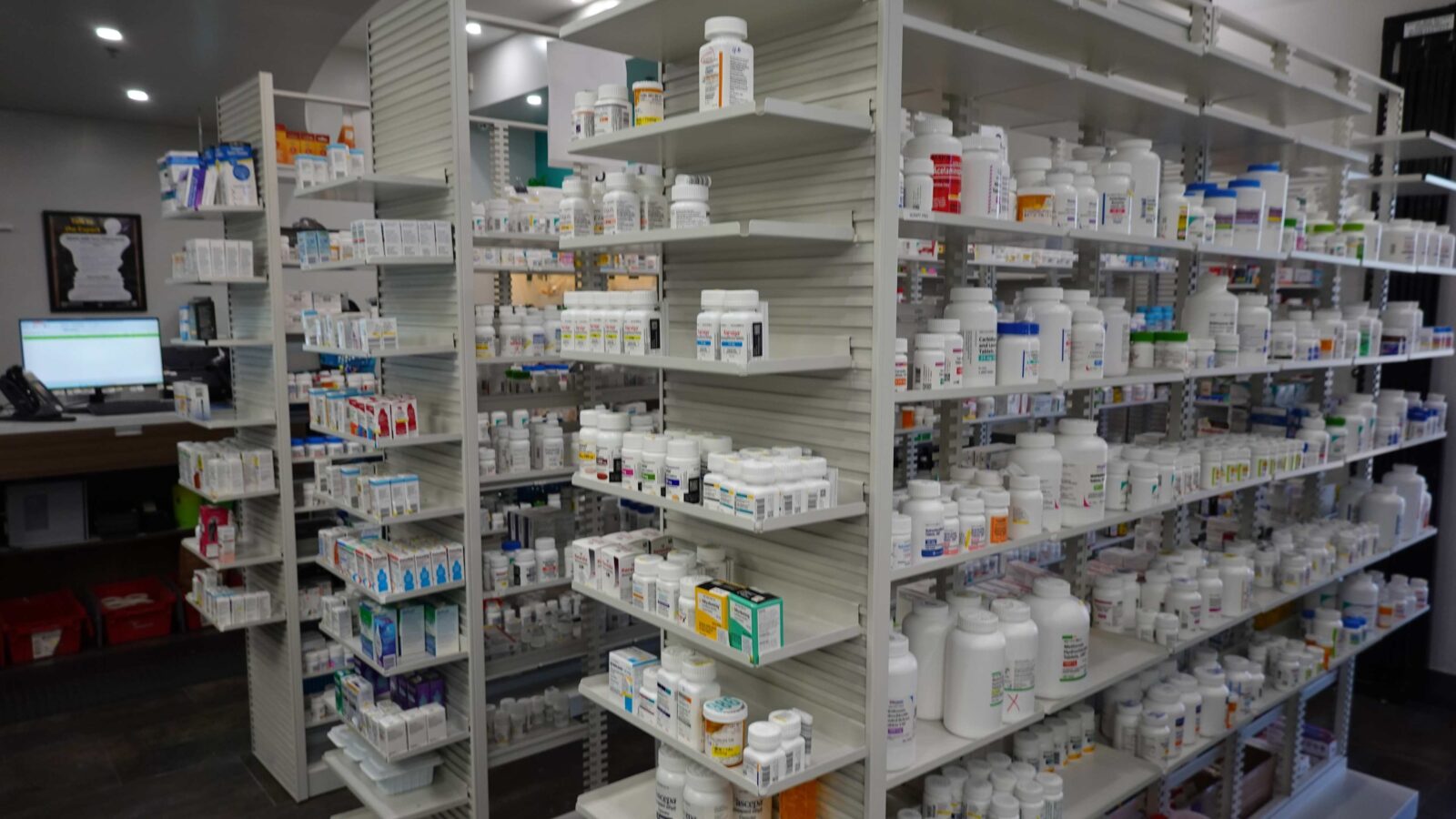
I was impressed when I read about the discovery of a lot of rot in retail pharmacies in the kingdom. It was not the discrepancies and downright unethical behaviour that tickled my fancy, but the fact that someone had gone back to take a second look, so to say.
The reader will recall that a call had been made for retail pharmacies to register, so that their operations could be legitimised.
The Ministry of Health later dispatched inspectors to visit pharmacies around the country and what they found was shocking.
Among other things, it was found that at least 80 per cent of these chemists did not comply with the standards set by the ministry.
The inspection was conducted over the period between March and September 2025.
A total of 216 retail pharmacies were inspected after the registration process, but only a disappointing 45 were found to be compliant.
These had submitted the required registration documents and met facility standards.
The other 171 were non-compliant. It was found that they either had not registered at all or did not have qualified pharmacists on site.
Some had unsuitable premises or generally failed to follow good pharmacy practices.
The ministry stated in its Second Quarter Performance Report, which was tabled in Parliament a week ago, that non-compliant pharmacies were required to address the gaps (anomalies) through what is known as Corrective and Preventive Actions (CAPAs).
This is exactly what I meant above, when I highlighted the importance of identifying challenges or anomalies through regular monitoring.
It opens the way for corrective measures to be swiftly implemented.
However, I believe there should be more serious consequences for the pharmacies that were found to be selling expired medication to the public.
Post-market surveillance revealed that some pharmacies were dispensing expired and recalled drugs. In some cases, expiry dates were found to have been deliberately altered.
This is not only unethical but criminal as well.
Proprietors found to have done this should face more serious censure like prosecution or the suspension of their trading licences.
We are talking about the health of citizens here and anything that could place lives at risk should not only be condemned, but stopped dead in its tracks.
The Ministry of Health is on the right track, though and should be commended for going out there to find out what is being sold to the public – and by whom.
This could not have been more opportune than now, when patients who receive diagnoses and get prescriptions from public health facilities find themselves forced to visit private pharmacies for prescribed medication.
Taking a second look is exactly what Nanikie Mnisi, Principal Secretary (PS) in the Ministry of Education, did recently as her office was dealing with allowance claims filed by government drivers attached to her ministry.
Mnisi noticed certain irregularities and initiated an internal audit, which laid bare an elaborate pattern of repeated claims tied to the same events over several years.
The scheme allegedly involves falsifying duty rosters, forging signatures on claim forms and coordination between drivers and junior officers who authorise payments.
Fraudulent claims were apparently justified by citing involvement in COVID-19 response assignments and other national events.
Payment vouchers were also manipulated and passed off as legitimate claims.
However, after thorough scrutinisation, it was found that many of the events cited actually never happened. Where they did, the claimants did not take part.
As they milked the taxpayer dry, drivers in cahoots with accountants, pocketed between E27 000 and E35 000 each per month.
As you read this, 41 drivers in the Ministry of Education have been identified as having siphoned more than E11.9 million over the years, through fraudulent overtime claims dating back five years. The matter has since been reported to the police.
You have to agree that it would not be flippant to suggest that all the other government ministries and departments take a leaf from Mnisi and scrutinise their drivers’ claims as well.
The reality is that this syndicate cannot only exist in the Ministry of Education while other ministries are squeaky clean.
Even so, the other controlling officers have nothing to lose by taking a second glance at those claims submitted by drivers and approved by accountants within their ministries.
They could find themselves nipping corruption in the bud.
It was Naval Ravinkant who said clear thinkers take feedback from reality, not society.



















Leave a comment