

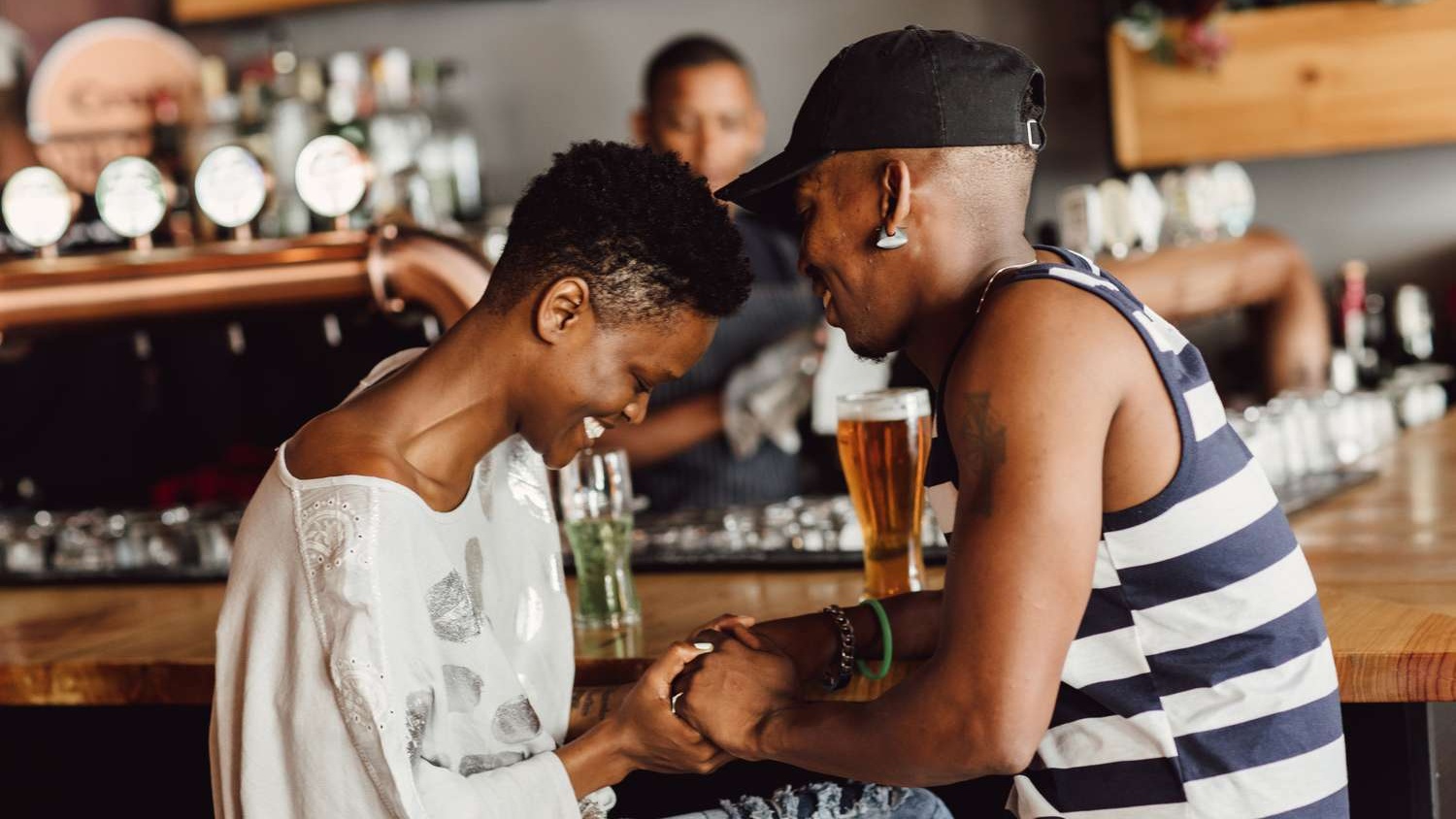
In today’s world, love is more fluid, flexible and undefined than ever before. Wrapped in encounters of ‘what are we?’ and the fear of ‘where do we stand?’.
Dating apps, social media and changing social norms have created new dynamics in how people connect, flirt and form relationships. Among these modern forms of connection, one has become particularly dominant – the situationship.
Neither a committed relationship nor a casual fling, a situationship is the grey area in between; defined by emotional closeness without clear boundaries, labels, or long-term commitment. Perhaps, setting yourself up for the lesser end of the stick.
At first glance, situationships may not seem so bad, they appear to suit the modern lifestyle, low pressure, adaptable and free from traditional constraints. Yet beneath the surface lies a deeper reflection of our collective emotional state.
The rise of situationships reveals much about how people navigate vulnerability, fear and connection in an era where commitment often feels like both a desire and a threat.
What exactly is a situationship?
A situationship is a romantic or sexual connection that lacks explicit definition or commitment. Unlike casual dating, situationships often involve consistent emotional intimacy, regular communication, affection and even exclusivity, but without clarity about where the relationship is heading.
The people involved may act like a couple but avoid labelling it as such. This ambiguity can feel liberating for some and deeply confusing for others.
One person may see it as a safe space for exploration, while the other quietly hopes it will evolve into something more. The lack of clear boundaries, while appealing at first, often leads to mixed expectations and emotional imbalance. Where intent is not known, there is room for so many expectations to grow.
Why situationships thrive in modern culture
Situationships have flourished because they mirror the uncertainty of modern life. In a fast-paced, digital world where careers, and personal goals constantly shift, the idea of a long-term commitment can feel overwhelming.
Many young adults prioritise self-discovery and independence, fearing that relationships might limit their freedom or disrupt their ambitions.
Technology has also transformed how we approach intimacy. Dating apps like Tinder offer endless options, creating a paradox of choice because people crave connection but hesitate to commit, fearing they might miss out on something better.
Social media further complicates this by blurring boundaries between private and public affection, making relationships performative rather than personal.
Moreover, emotional detachment has become normalised. In a culture that prizes self-protection, many people enter relationships guarded, afraid to be the one who ‘cares more’.
Vulnerability is often mistaken for weakness, so keeping things undefined feels safer than risking rejection or heartbreak.
While situationships may seem appealing because they lack pressure, they come at an emotional cost. Human beings crave clarity and security in relationships.
When those needs go unmet, it breeds anxiety, self-doubt, and confusion. One partner may wonder: ‘Do they love me?’ or ‘where is this going?’ while the other avoids these questions entirely, perpetuating a cycle of emotional limbo.
The lack of definition also prevents growth. Healthy relationships require communication, accountability and emotional investment, all of which are difficult to cultivate when the relationship exists in a gray zone.
People may stay in situationships out of comfort or fear of confrontation, even when their needs aren’t being met. In this way, situationships can become emotional placeholders offering companionship without true intimacy.
Furthermore, the culture of ambiguity reinforces emotional immaturity. It allows individuals to enjoy the benefits of connection without the responsibilities that come with commitment.
Ghosting, breadcrumbing, and other non-committal behaviours often stem from the avoidance of uncomfortable conversations. This avoidance reflects a broader societal struggle with emotional communication and accountability.
What situationships reveal
At their core, situationships highlight a generational struggle with vulnerability and trust. Many people today are products of unstable relationships, divorced parents, infidelity or a culture that prioritises self over collective connection.
As a result, love becomes something to be managed instead of lived. Emotional maturity involves the courage to define one’s feelings and intentions clearly, even at the risk of discomfort. It means being honest about what we want, setting boundaries and respecting others enough to communicate truthfully.
Yet many avoid these conversations because they fear rejection, judgment or losing control. Situationships, in this sense, are not just reflections of modern convenience, but they are reflections of emotional avoidance.
To move toward healthier connections, individuals must first develop emotional clarity, knowing what they truly want before entering any form of relationship.
This self-awareness allows for intentional choices rather than reactive ones. Communicating expectations early, even in casual settings, can prevent confusion and heartache later. Equally important is emotional responsibility.
People must recognise that withholding clarity can be as hurtful as overt rejection. Treating others with honesty and empathy rather than convenience builds integrity and trust, even if the relationship is short-lived.
Finally, we must relearn vulnerability. True connection requires the willingness to be seen fully, without manipulation or fear. Choosing emotional courage over self-protection is the foundation of genuine intimacy.

















Leave a comment