

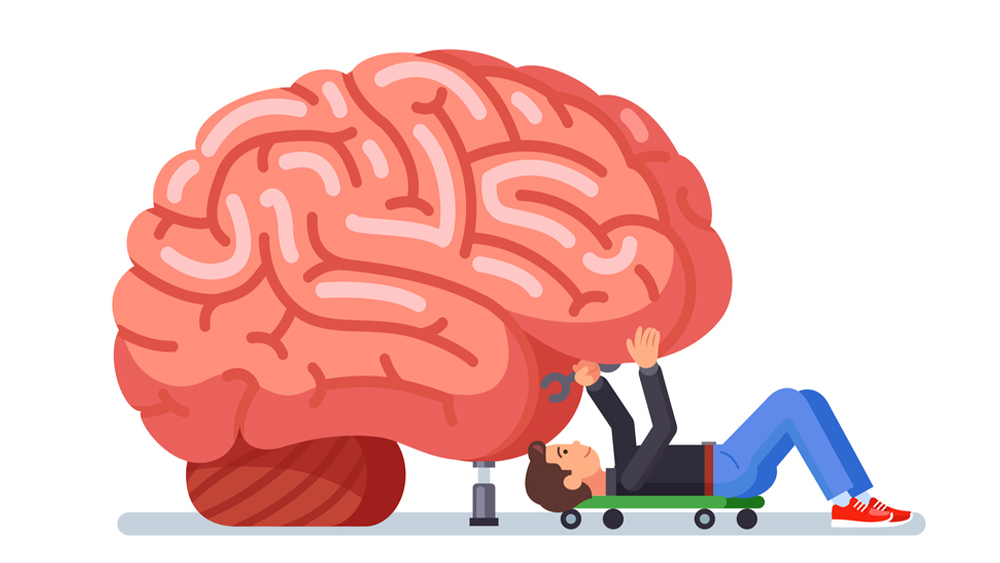
In conversations about health and human rights, mental health often sits quietly in the corner, overshadowed by physical illnesses, HIV prevention or substance abuse. Yet, for key populations; such as sex workers, men who have sex with men, transgender people, people who use drugs and prisoners, mental health is not just an afterthought. It is a matter of survival.
Every day, members of these groups live under intense psychological pressure. They navigate stigma, discrimination, violence and rejection in systems that are meant to protect them. They face exclusion not only from society at large, but, sometimes, even from families and healthcare providers. Imagine carrying such emotional weight every single day and still being expected to show up for work, raise children or take medication regularly. That is the hidden struggle many endure in silence.
Mental health issues such as depression, anxiety, trauma and substance dependence are widespread among key populations. However, these conditions rarely receive adequate attention or treatment. Most mental health services are not designed with inclusion in mind. They remain distant, clinical and unwelcoming, especially to those whose identities or lifestyles are judged harshly by others. The result is a cycle of pain and isolation, where people who most need care are the least likely to receive it.
If we are to make progress in public health, we must first accept that mental health is not a luxury. It is the foundation upon which all other forms of well-being rest. You cannot ask someone to adhere to HIV treatment, attend counselling, or rebuild their life after trauma when they are battling constant emotional exhaustion or suicidal thoughts. Addressing mental health is not separate from addressing HIV or gender-based violence, it is the invisible thread that connects them all.
Service providers have a powerful role to play in changing this reality. Every nurse, counsellor, peer educator or community outreach worker is not only a provider of services, but a gatekeeper to hope. Compassion should not be conditional. Too often, people from key populations report being scolded, shamed or even turned away at clinics. This is not just unethical, it is dangerous. When someone is rejected by the very system that is supposed to help them, they stop coming back.
Training healthcare workers to be sensitive, respectful and aware of the realities of key populations is essential. A simple shift in attitude can make a world of difference. Using inclusive language, maintaining confidentiality and showing empathy instead of judgment can turn a clinic visit into a moment of healing. Service providers must also take care of their own mental health, as burnout and compassion fatigue are real. A provider who feels supported is more likely to extend that support to others.
Lawmakers, too, must recognise that mental health cannot thrive in environments of fear and criminalisation. You cannot criminalise people for who they are or how they survive, and then expect them to live peacefully within themselves. Laws that punish sex work, same-sex relationships or drug use push people further into the shadows, where both physical and mental harm multiply. Decriminalisation, on the other hand, is not about promoting immorality, it is about promoting safety, dignity and access to care.
Policies should ensure that mental health services are integrated into primary healthcare and that they are accessible to everyone, regardless of identity or background. Lawmakers can also push for the inclusion of mental health education in schools, community outreach programmmes and national health campaigns. When a government publicly acknowledges the mental well-being of its most marginalised citizens, it sends a message that every mind matters.
At the heart of all this is empathy. We live in a world where many people are simply trying to survive systems that were never designed for them. Key populations are not problems to be solved; they are human beings whose experiences and voices can teach us about resilience, survival and courage. When we invest in their mental health, we invest in the emotional health of our entire society.
It is time to change how we define health. It is not the absence of disease; it is the presence of peace. A nation that ignores the mental health of its most vulnerable will find itself haunted by cycles of despair and disconnection. However, a nation that dares to care, that trains its service providers with compassion and reforms its laws with humanity, becomes stronger, kinder and more whole.
Mental health is not a privilege of the few. It is the right of everyone. Additionally, when we begin to treat it that way, perhaps, then we will see not just healthier individuals, but a truly healthier society.



















Leave a comment