

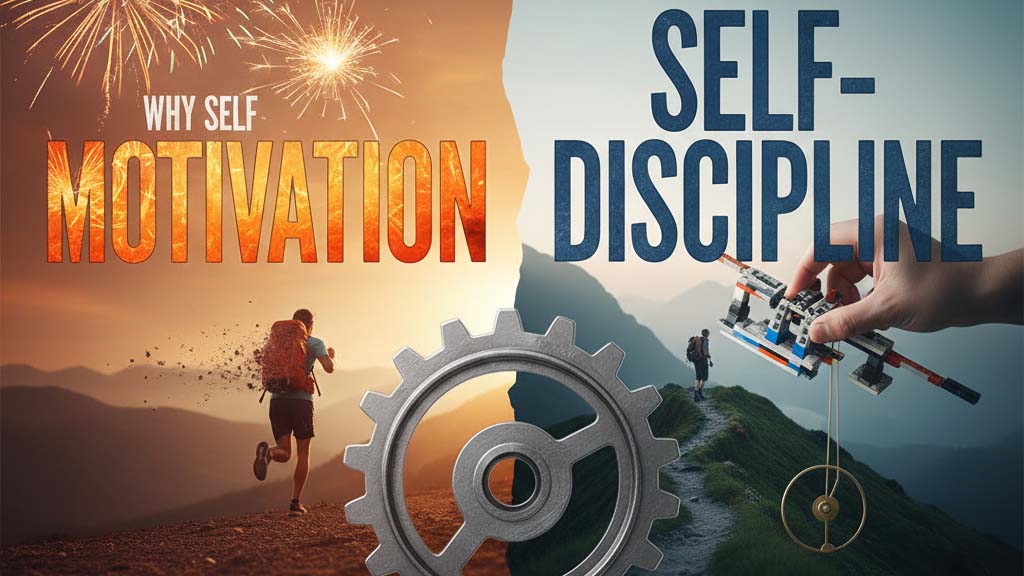
Motivation is exciting. It arrives suddenly, fills us with energy, and convinces us that change is finally possible. It is the reason people start new routines on Mondays, sign up for gym memberships in January, and promise themselves that this time will be different. Motivation feels powerful because it makes effort feel easy, at least in the beginning, but motivation is unreliable. It fades when life gets difficult, when progress is slow, or when results are not immediate. Self-discipline, on the other hand, does not rely on excitement or emotion. It relies on commitment and that is why self-discipline always outlasts motivation.
Temporary nature of motivation
Motivation is driven by feelings. It thrives on inspiration, urgency and novelty. When something is a new goal, a plan, or a dream, motivation fuels action. However, feelings change. Fatigue, stress, disappointment and distraction all weaken motivation. No one feels motivated every day. Life interferes. Responsibilities pile up. Setbacks occur. Waiting for motivation before taking action becomes a trap. It creates inconsistency and reinforces procrastination. The truth is, most meaningful progress happens on days when motivation is absent.
Self-discipline a habit, not mood
Self-discipline is not about punishment or strictness. It is about showing up regardless of how you feel. It is choosing consistency over comfort and long-term growth over short-term pleasure. Unlike motivation, discipline does not depend on excitement. It depends on systems. Routines. Boundaries. Structure. These create momentum even when energy is low.
Discipline looks like:
- Doing the work when no one is watching
- Following through on commitments you made to yourself
- Prioritising what matters over what feels good in the moment
- Continuing even when progress feels invisible
Why discipline feels harder at first
Discipline feels uncomfortable because it requires delayed gratification. It asks you to choose effort now for a reward later. In a world built on instant satisfaction, this goes against the norm.
Motivation gives immediate emotional rewards like excitement, validation and hope. Discipline offers none of that upfront. It demands trust in a future version of yourself Many people mistake discipline for lack of passion, when it is proof of dedication. Passion fluctuates. Discipline remains. At its core, self-discipline is an act of self-respect. It is the quiet decision to honour your future self, even when your present self feels tired, distracted, or discouraged. Each disciplined choice sends a message inward: I trust myself. I keep my promises. I am capable of consistency.
Many people struggle not because they lack talent or opportunity, but because they lack trust in themselves. When motivation fades and goals are abandoned, self-confidence erodes. Discipline repairs that relationship. Every small act of follow-through waking up on time, completing a task, sticking to a routine rebuilds self-belief. Discipline also teaches emotional maturity. It allows people to act independently of mood, circumstance, or external validation. Instead of waiting to feel inspired, disciplined individuals understand that action often creates motivation, not the other way around. In a world that constantly encourages shortcuts, discipline offers stability which is what is needed in the new year.
Discipline builds identity
Over time, discipline shapes how you see yourself. Every time you follow through, you reinforce trust in your own word. You stop relying on emotional bursts and start relying on character. You become someone who finishes what they start. This shift is powerful. When action becomes part of your identity rather than your mood, consistency becomes natural. Discipline moves you from ‘trying’ to ‘becoming’.
Motivation is not useless in the same regard. It plays an important role at the beginning of a journey. It helps you start. It reminds you why your goal matters, but it cannot carry you the whole way. The most successful people understand this balance. They use motivation as a spark and discipline as the engine. They don’t wait to feel ready. They act first and let results create momentum. Ironically, discipline can prevent burnout.
Why discipline wins in the long run
Life is unpredictable. Goals take longer than expected. Motivation will disappear at some point, but discipline ensures progress continues regardless. It doesn’t promise quick results. It promises steady ones. Discipline builds careers, relationships, habits and self-respect. It carries you through doubt, fatigue and failure. It creates results long after motivation is gone. Motivation feels powerful, but it is temporary. Self-discipline feels demanding, but it is dependable. If motivation is the feeling that pushes you to begin, discipline is the mindset that carries you forward. In the end, the people who succeed are not the most motivated, but they are the most consistent and consistency is built on discipline.



















Leave a comment