

Last week, Prime Minister (PM) Russell Dlamini pledged that government would aggressively address private sector challenges and called for a collaborative approach to revitalise struggling industries. ‘We cannot afford to allow businesses to close, jobs to be lost, or markets to be eroded. Every job lost weakens our social fabric and places additional strain on families and communities,’ he stated.
The PM made this pledge at the Inyatsi Leadership Forum, where he further urged the private sector not to hesitate in engaging with government, whether to share innovative ideas or to seek support, while highlighting Eswatini’s potential to provide a stable environment for local business and access to international markets.
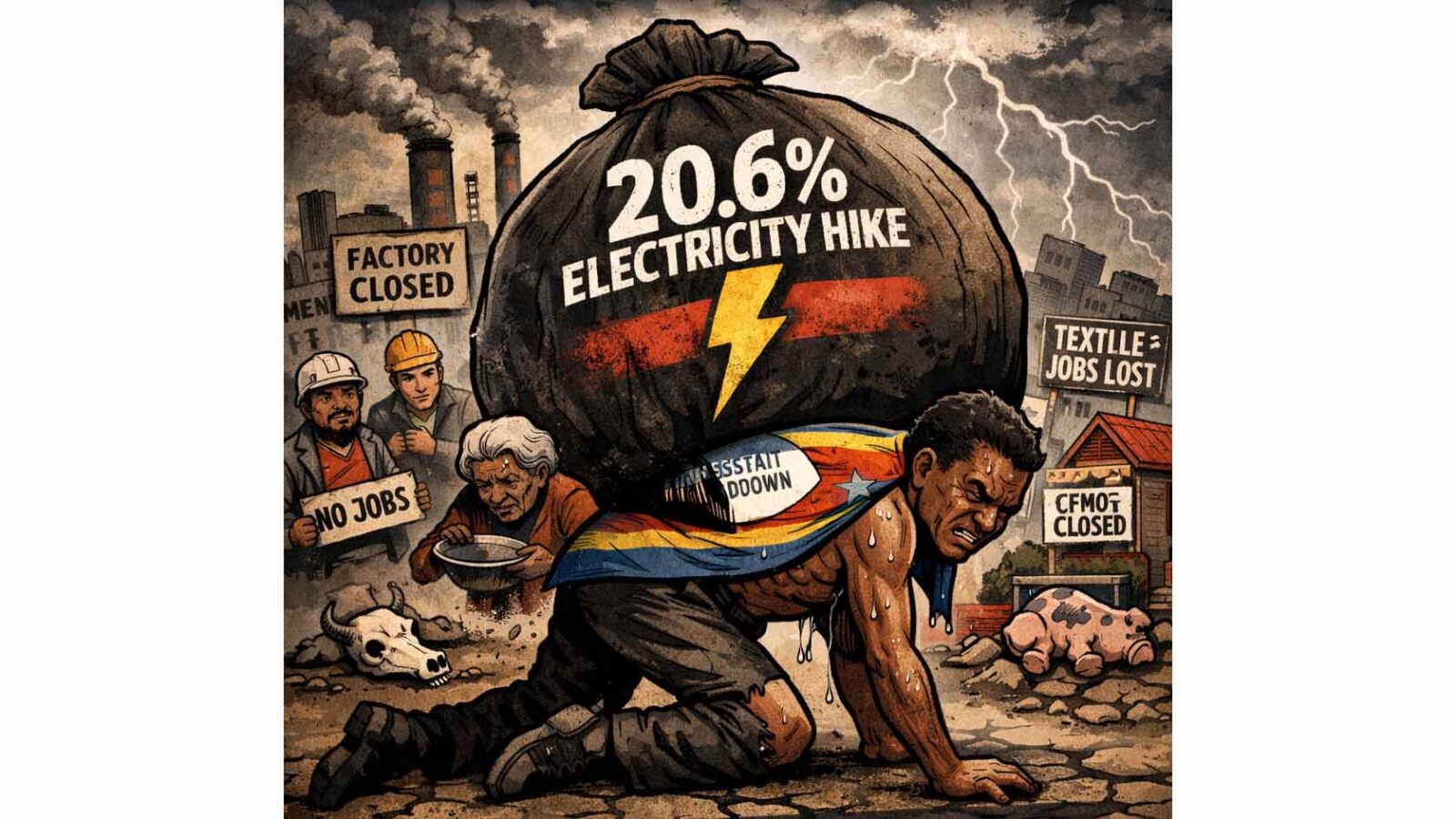
Accompanying the PM were key ministers for Finance, Commerce, Industry and Trade, Economic Planning and Development, as well as Foreign Affairs and International Cooperation who made valuable contributions and acknowledged the challenges facing the Inyatsi Group entities. These operate in no fewer than 10 sectors of our economy and have contributed over E1 billion in taxes.However, while we applaud this spirit of partnership, a looming threat of a 20.6 per cent electricity tariff increase risks undermining these noble intentions. Eswatini is already grappling with several crises in its mining, meat and construction sectors. These are industries that have long formed the backbone of our economy, driving growth, sustaining livelihoods and contributing to national revenue.The meat industry, for instance, has been ravaged by the persistent scourge of Foot and Mouth Disease (FMD), leading to the devastating loss of our European Union (EU) beef export grading. This has not only crippled small-scale farmers, but also threatened the viability of key assets like Eswatini Meat Industries (EMI), one of only three facilities in Africa accredited for EU exports. The government has promised interventions, including a nationwide mass livestock vaccination programme and analysis of FMD strains by the Botswana Vaccine Institute, but the damage is already profound.
The mining sector fares no better, beset by weakening global demand and price volatility. As the PM himself acknowledged, mining is a vital employer and source of foreign exchange, yet it faces existential risks without a stable, investor-friendly policy environment. Efforts to encourage value-addition and downstream beneficiation are commendable, but they ring hollow amid operational uncertainties.
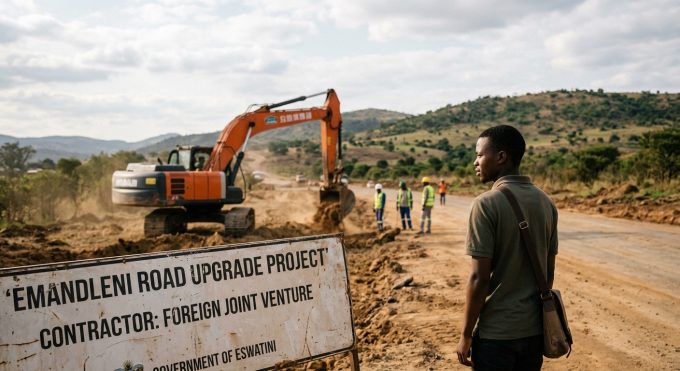
Meanwhile, the construction sector has seen a slowdown in local contractor participation in large infrastructure projects, resulting in company closures and redundancies.
Hepledged meaningful engagement and corrective measures to promote fair procurement and sustainable project pipelines.These sectoral woes have already precipitated a jobs bloodbath in a country where unemployment is at crisis levels, hovering perilously close to unsustainable thresholds.If approved, the proposed electricity tariff hike for the 2026/27 financial year, submitted by the Eswatini Electricity Company (EEC) to the Eswatini Energy Regulatory Authority (ESERA), would be nothing short of the straw that breaks the camel’s back. It would be a government-induced crisis that could tip our economy into total collapse.The mining sector, represented by Linda Zungu of Maloma Colliery Limited, has appealed for special tariff considerations, noting the company’s energy-intensive operations and annual electricity spend of approximately E45 million. ‘Maloma previously supplied coal to about eight smelters in South Africa. However, several of these smelters have since closed, leaving only two operational,’ she explained, detailing a drop in monthly supply volumes from 30 000 tonnes to 10 000 tonnes.
This has led to shaft closures and over 300 redundancies between July and September last year. Zungu urged ESERA to treat Maloma akin to South Africa’s smelting sectors, which benefit from tailored tariffs, warning that further hikes could exacerbate the downturn.
The textile and apparel sector, employing around 22 000 emaSwati and contributing 7.6 per cent to GDP, faces potential doom. Representatives warned that the hike would inflate monthly electricity bills from E120 000 to at least E160 000, coinciding with the industry’s low season and risking permanent closures. ‘If this goes through, we are dead!’ exclaimed one employer, citing struggles with South African clients amid regional economic woes.
The business sector’s submissions during stakeholder consultations paint a harrowing picture of the potential fallout. Manufacturers, already straining under competitive pressures, have sounded the alarm. Davin Adamson, Managing Director of Exipro Swaziland (Pty) Ltd, warned that Eswatini is on a collision course of failed management without urgent clarity on energy and industrial policy.
“Sustained cost pressures could force factory closures, particularly where manufacturers were effectively subsidising electricity distribution to remote residential areas through higher tariffs,” he said, stressing the need for predictable pricing to secure long-term investments.
The vulnerable will not be spared. Tiyandza Mavuso from the Deputy Prime Minister’s Office highlighted the disproportionate impact on the elderly and disabled, who rely on modest grants of E600 monthly for the elderly and E450 for people with disabilities. She pleaded for differentiated tariffs.The Eswatini Water Services Corporation (EWSC) strongly opposed the hike, arguing it jeopardises Sustainable Development Goal 6 on water and sanitation, potentially deferring projects and hitting rural areas hardest. Even education stakeholders, like Ncamsile Mntshali from the Ministry of Education, called for schools to be exempted from commercial categories. What more needs to be said?
EEC Managing Director Ernest Mkhonta is vigorously defending the application, citing soaring import costs from Eskom (NTCSA) and EDM, projecting a E231 million cash flow deficit by March 2026 and an operating loss of E391 million.
However, this is for you and government to work out. For what would it benefit government to gain the most expensive electricity but lose its entire economy and, worst of all, its citizenry?













Leave a comment