

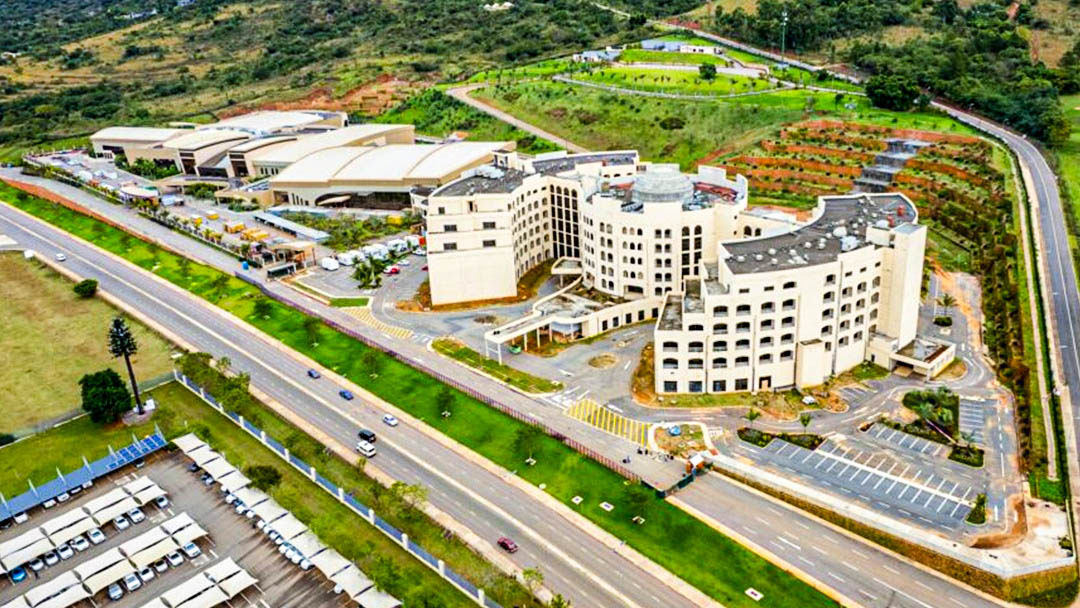
The opening of the Ezulwini Palazzo International Convention Centre and Five-Star Hotel (ICC & FISH) marks a significant milestone in the kingdom’s economic development strategy. Positioned as a hub for international conferences, exhibitions and luxury tourism, the facility is expected to generate substantial economic returns while enhancing the country’s global profile.
Eswatini enters the MICE space
Eswatini’s entry into the Meetings, Incentives, Conferences and Exhibitions (MICE) space through the newly-opened Ezulwini Palazzo ICC & FISH signals a major shift in the country’s economic and tourism landscape. By offering world-class facilities for international gatherings, Eswatini positions itself as a competitive destination for regional and global events, thereby stimulating new business ventures in hospitality, catering, transport and creative industries. Local entrepreneurs stand to benefit from increased demand for event management services, cultural showcases and artisanal products tailored to international visitors. The MICE sector also creates opportunities for technology-driven ventures such as digital conferencing solutions and professional services linked to logistics and corporate travel. On the tourism front, the influx of delegates and leisure travellers will boost hotel occupancy rates, restaurant revenues and cultural tourism experiences, while extending average visitor stays. This diversification strengthens the country’s economy, enhances its global visibility and ensures that tourism evolves beyond traditional leisure into a dynamic, business-driven growth sector and the international conference space.
Boost to local enterprises
The convention centre provides a dynamic platform for local businesses, artisans and service providers to showcase their products to international audiences. Exhibitions during the opening highlighted Eswatini’s creativity in jewellery, fashion and consumer goods, signalling new opportunities for small and medium enterprises (SMEs). Beyond direct participation, the influx of delegates attending international conferences is likely to stimulate the retail sector, as visitors seek shopping experiences that reflect Eswatini’s culture and craftsmanship. Increased foot traffic in malls, boutiques and craft markets will drive demand for locally produced goods, while international exposure can encourage partnerships with global buyers. Restaurants, cafés and specialty food outlets will also benefit from higher patronage, creating spillover effects across the retail space. By linking local producers to global markets and expanding consumer demand, the ICC & FISH strengthens value chains, supports inclusive economic growth and positions Eswatini’s retail sector as a vibrant complement to its hospitality and tourism offerings.
Transformation of tourism and hospitality
The five-star hotel component elevates Eswatini’s hospitality standards to international benchmarks, attracting high-value clientele and positioning the country as a competitive player in Southern Africa’s tourism market. Managed by Palazzo Hospitality, the facility ensures global best practices in service delivery. Importantly, the management strategy emphasises promoting Eswatini’s cultural identity, blending luxury tourism with cultural diplomacy. This approach differentiates Eswatini from regional competitors such as South Africa and Botswana, which already host major conferences.
Equally significant is the facility’s potential to attract international conferences, summits and exhibitions, placing Eswatini firmly within the global MICE space. By offering modern infrastructure and five-star accommodation, the ICC & FISH provides the capacity to host multinational corporations, development agencies and regional organisations seeking venues for high-level engagements. This will stimulate the growth of corporate tourism as business travellers extend their stays to explore Eswatini’s cultural and natural attractions. The synergy between conference tourism and leisure tourism is expected to boost hotel occupancy rates, restaurant revenues and retail activity, while reinforcing Eswatini’s reputation as both a business-friendly and culturally rich destination.
Employment and social impact
The Ezulwini Palazzo is expected to be a major driver of employment creation across multiple sectors of Eswatini’s economy. Within the hotel itself, jobs will be generated in hospitality services such as front office operations, housekeeping, catering and guest relations, all of which require skilled personnel and provide opportunities for youth and women. Event management roles will also expand, with demand for conference coordinators, audiovisual technicians and logistics specialists to support international gatherings. Beyond the hotel, ripple effects will be felt in transport services, as taxi operators, shuttle providers and car rental companies benefit from increased visitor flows. The retail sector will see growth through higher demand for local crafts, fashion and consumer goods, while restaurants and entertainment venues will experience greater patronage. Additionally, professional services such as translation, ICT support and corporate consultancy will find new opportunities linked to the MICE industry. By creating jobs both directly and indirectly, the ICC & FISH strengthens Eswatini’s employment base, diversifies income sources and contributes to inclusive economic development.
Risks and considerations
Despite its promise, the facility faces challenges. Sustainability depends on consistent international bookings and without them, maintenance costs could strain public finances. Accessibility must be enhanced through transport and ICT upgrades to meet visitor expectations. Furthermore, competition from established regional players requires Eswatini to differentiate itself through cultural uniqueness and boutique hospitality. Addressing these risks will be critical to ensuring long-term success.
The Ezulwini Palazzo represents a transformative investment for Eswatini, catalysing economic diversification, strengthening tourism and creating employment across multiple sectors. By entering the global MICE arena, the kingdom enhances its competitiveness, attracts international conferences and positions itself as a dynamic hub for sustainable growth.














Leave a comment