

The message delivered by the Times of Eswatini managing director, during a recent interview on UNESWA FM, could not have been clearer. Media houses need to continually evolve and adapt: “To an increasingly complex information landscape.”
At a time when newspapers across the world continue to battle against declining circulation, there is still a need for journalists to act with integrity and to preserve the values that have defined their profession for years. The print media is under pressure globally, which makes it now more important than ever to maintain robust professional standards through proper fact-checking, objective evaluation, balanced and accurate articles and credible reporting. To which I would add the need for all leaders in both the public and private sectors to see value in engaging with the media in a more constructive and transparent manner on a more frequent basis. Making regular engagement with the press a positive experience for both parties. To be seen as an opportunity to get the key messages across and not to be seen as a threat to their position.
The Central Bank is technically owned by the Eswatini Government, but operates independently, enjoying such powers and functions as Parliament shall determine. Powers which shall vest in the Board of Directors, of which the governor is a member, as provided for by Section 206 of the Constitution. Rather than carrying out its role in splendid isolation, the decision to organise an annual get together with members of the press, bringing together editors, journalists and Central Bank executives, to engage on a wide range of topics relevant to the financial and banking sector, is to be applauded. The discussions focus on diverse topics, from investors making unrealistic offers to financially assist the kingdom, to the economic impact of the escalating geopolitical tensions, inflationary pressures and their impact on the cost of living for ordinary emaSwati; the strengthening of its gold reserves; and its intervention to assist EswatiniBank in implementing an achievable recovery strategy. All discussions conducted in an atmosphere of mutual respect.
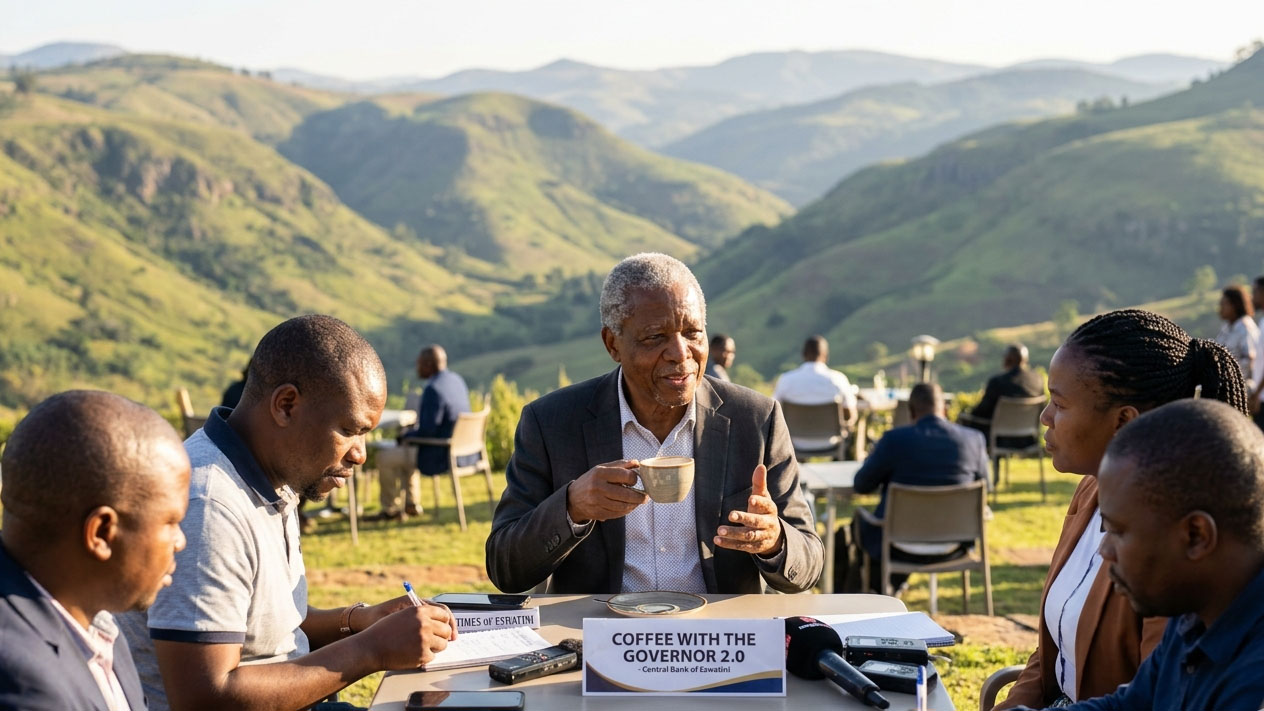
When making his submissions during the annual ‘Coffee with the Governor 2.0’ held at the Sibebe Resort, the governor of the Central Bank appeared very relaxed, well-informed on the key issues and clearly comfortable engaging in a transparent manner with the media. The governor had done his homework and was clearly in control of the narrative, which he delivered with a measured, professional calm and a composed manner. Keeping his points simple and devoid of jargon. More than willing to answer the harder questions, such as the one put by the editor of The Nation Magazine, when asked what was being done by the Central Bank to address the long queues and delays at the borders, created by the introduction of the South African Traveller Management System. This caused me to reflect on the sad demise of the prime minister’s regular breakfast meetings with the media. The governor answers to his Board but is appointed by the King on the advice of the PM, based on the recommendation of the Board.
The PM is also answerable to the highest authority of the land, but also to every citizen for the political decisions made by his Cabinet. One misquote, one slip of the tongue and a press conference can turn into a confrontational situation, which then becomes national news and subject to debate in Parliament. So proper preparation and self-discipline matter when engaging with the media at a pre-arranged press conference.
For a high-ranking politician to be engaging with the media on a regular basis is a sign of mutual respect and should not be optional. When drawing comparisons between the public and private sectors, the value of engaging with the media may shift from personal brand to institutional power, but the fundamentals still remain the same. For a high-profile politician, it should not be optional, because it is the bridge between government and emaSwati.
How a politician engages with the media dictates how his policies land, how trust is built and so by implication, how comfortable a country feels with the proposed direction of travel. Laws do not implement themselves. How a high-ranking politician explains why a new tax law, or a new health policy, matters or government’s response to food insecurity caused by climate change.
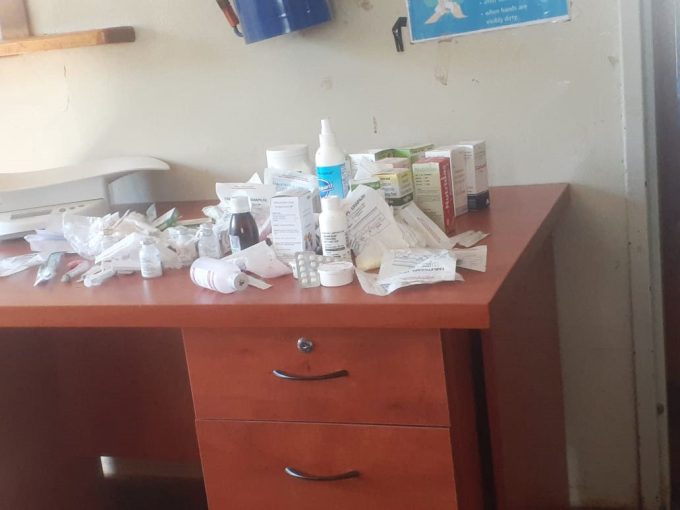
Delivered in plain, easy-to-understand language will achieve greater compliance. This is why the controversial and unwelcome decision not to release the agreed E50 million to The Luke Commission (TLC) from the health budget, ratified last year by the House of Assembly, does not sit well with some Members of Parliament, nor the many vulnerable and underserved emaSwati, with no access to proper healthcare.
Citizens support not only what they understand but also policies in which they believe and can see the benefits. If the high-ranking politicians stay silent, rumours and opposition fill that void. In a properly functioning monarchial democracy, the only currency of value is trust.
Regular press briefings show a willingness from the head of government to welcome the opportunity to engage and explain policies that impact the lives of all emaSwati. Silence breeds uncertainty and may even suggest a lack of accessibility and accountability. Making the first move through regular press briefings allows for the setting of the national agenda and for the delivery of the message to become the headline act and not the support act. This ultimately influences how the Cabinet and Parliament debate the important issues. Engage well on issues such as the impact of climate change on food security and the current inflationary pressures on the cost of living for ordinary emaSwati and the talk will quickly move from a Cabinet divided to economic development and job opportunities for the youth. Do not engage in a meaningful way and instead, the media will focus on the negative, such as the current political infighting and the failure to properly address the corruption scandals, which continue to have a negative impact on international investor confidence.















Leave a comment