

MBABANE – The Eswatini Electricity Company (EEC) is expected to submit its next tariff review application for the 2027/28 financial year.
This is expected to happen between mid-October and early November this year, with any resulting tariff taking effect from April 2027.
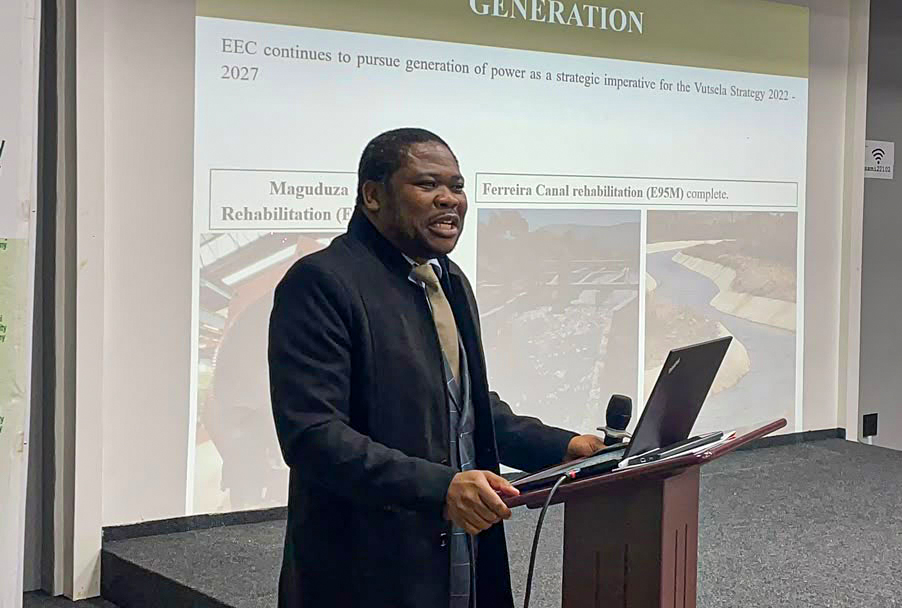
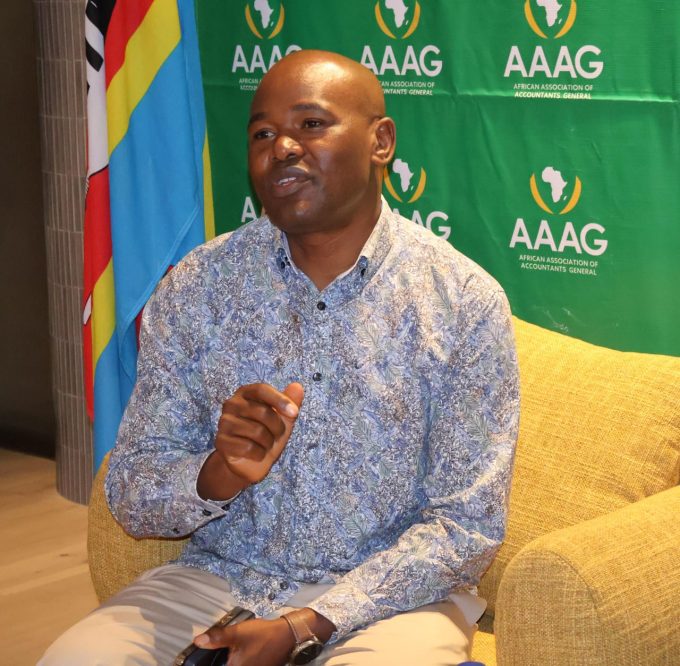
EEC General Manager-Customer Services James Mabundza said the company is still assessing its financial and operational requirements and that it is too early to determine the level of any tariff adjustment that can be ultimately proposed.
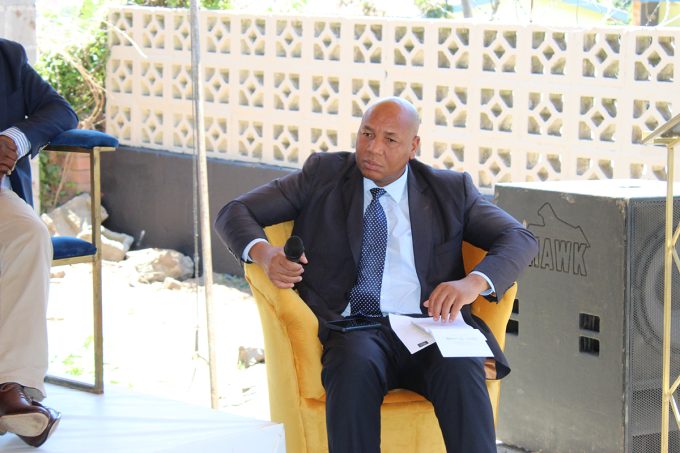
Speaking during a breakfast engagement with editors from various media houses at SibaneSami Hotel yesterday, Mabundza stressed that an application by EEC does not automatically translate into an increase for consumers.
“The numbers would have added up by the time of application,” he said, noting that the eventual outcome would depend on the regulatory review process.
The process is governed by the tariff methodology of the Eswatini Energy Regulatory Authority (ESERA), which is designed to balance the interests of electricity consumers, the utility and government.
Under the methodology, tariffs should enable an efficiently operated utility to recover its allowable costs and a reasonable return on investment, while also providing consumers with affordable, predictable and transparent prices. ESERA also considers efficiency, quality of service, social support and the interests of electricity consumers when determining tariffs.
ESERA has made it clear that EEC’s application represents a proposal rather than a final tariff.
Since 2012, the authority has implemented a methodology under which EEC may submit a tariff review application every two years. ESERA then scrutinises the application, reviews EEC’s financial information and revenue requirements, considers customer submissions and conducts public consultations before making its determination.
The most recent multi-year tariff determination was approved in 2025 and covered the 2025/26 and 2026/27 financial years. It, therefore, runs until the end of March 2027, after which the next tariff period will commence.
Significantly, the tariff awarded by ESERA does not necessarily equal the tariff requested by EEC.
For the 2025/26 and 2026/27 tariff application, EEC had requested average increases of 25.51 per cent and 27.06 per cent respectively. ESERA ultimately approved average increases of 14.67 per cent for 2025/26 and 10.91 per cent for 2026/27, demonstrating that the regulatory process independently assesses what costs are allowable and what level of tariff is appropriate.
Government subsequently intervened to cushion consumers from the full impact of the 2025 determination, with consumers instead facing an average increase of eight per cent in 2025/26 and seven per cent in 2026/27.
The 2026/27 tariff was later subject to a further adjustment following changes in electricity import costs.
EEC has clarified that the most recent tariff adjustment should not be interpreted as an increase primarily intended to fund the company’s normal operational expenditure.
The major driver was a change in the cost of imported electricity following the renegotiation and expiry of key power supply arrangements, including the contract with South Africa’s National Transmission Company South Africa (NTCSA).
According to EEC, the approved 2025/26 and 2026/27 tariffs were based on assumptions regarding the cost of imported electricity. Those assumptions changed significantly when the contracts were renegotiated, resulting in additional costs that had not been fully provided for in the existing tariff.
ESERA’s records similarly show that a specific application was subsequently made in respect of electricity imports and reconciliation for 2026/27. The distinction is important for consumers because it means the latest adjustment was largely a response to external changes in the cost of securing electricity supply, rather than simply a request by EEC to increase revenue to meet its ordinary operating expenses.
ESERA subsequently approved an average tariff increase of 13.61 per cent for 2026/27. Government provided special funding to reduce the impact on consumers, resulting in a revised average increase of 11.74 per cent, effective from April 1, 2026.
Mabundza said increasing local electricity generation would, therefore, be critical to reducing exposure to external electricity prices.
“Generation will help the country manage costs of sales as we currently depend on electricity bought from other countries and that is not good because these providers also raise their tariffs now and again,” he said.
Mabundza emphasised that the forthcoming application would be subject to the established regulatory process and that EEC would not determine the final tariff.
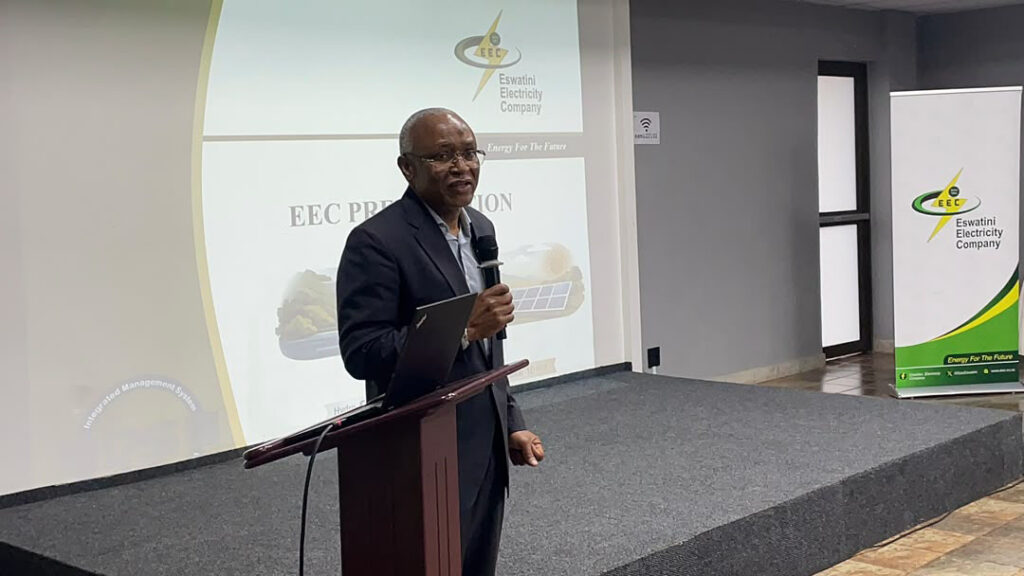
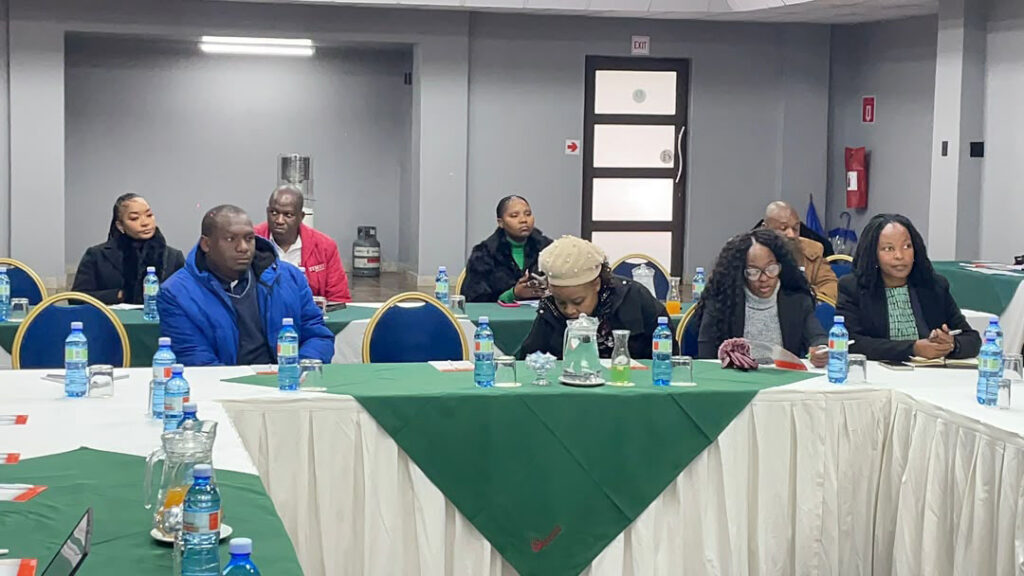
The engagement with editors was aimed at providing the media with first-hand information on EEC’s operations and developments, while allowing journalists to engage directly with the company’s executive committee and improve public understanding of the electricity sector and the regulatory processes governing it.













Leave a comment