

There seems to be something fundamentally wrong with western-style multiparty democracy in Africa.
The recent events surrounding the demotion of Floyd Shivambu of uMkhonto Wesizwe Party leave me convinced that the black man will never see real political and economic change until we sit down and examine the core fundamentals of this multiparty democracy we hold in high esteem.
The young man, Shivambu, was perhaps the best chance MKP had at achieving a united black political force capable of realising the shared aspirations of all black people in South Africa. However, we now see him spiralling out to form, yet another splinter political party which will only serve to further divide the black vote.
All this is seemingly because a small well-connected family clique within the Zuma family circle is alleged to be in control; former President Zuma.
We eagerly await Zuma’s reaction to the bold challenge given to this clique by the Deputy President and parliamentary leader Dr John Hlophe. Why should our politics be so dependent on one man? It almost feels like Africans are naturally drawn to kings.
We seem to gravitate towards figures so powerful that it is difficult to challenge, until someone does and we all move to him. As Africans, we seem not to worry about the man’s policies, but his charisma and his money. Let’s worry about collective progress as nations.
Chinese success story
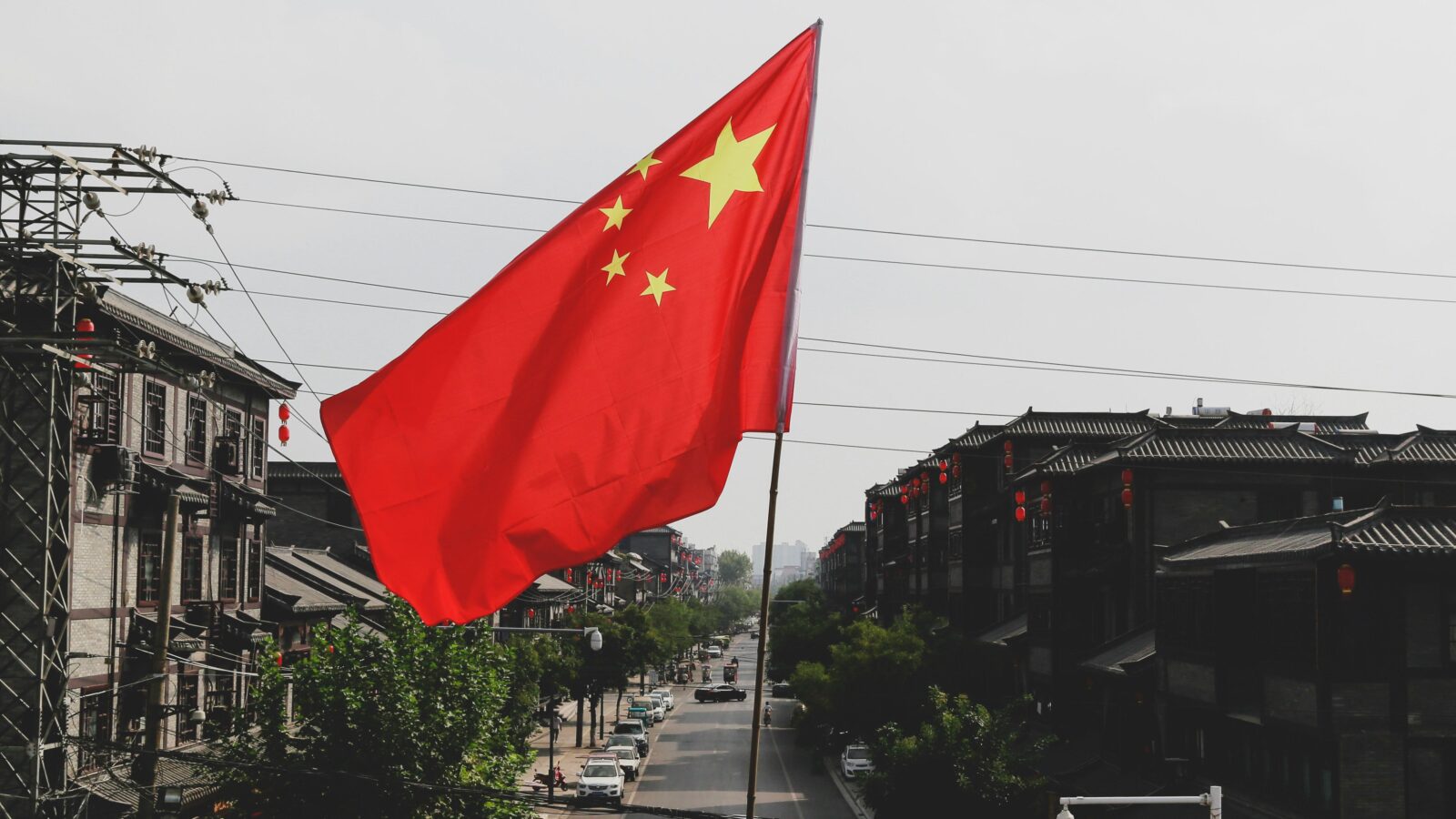
China will lead the world because its political system is superior to our Western-based multiparty political systems. Have you ever wondered why we never hear of the Chinese Presidential Elections? No ordinary Chinese citizen wakes up one morning saying: ‘I’m going to vote for my president.’ Because the Chinese president is not chosen by the people. He is selected for nomination by members of the all-powerful Chinese communist party. But wait — it’s not a political party like you might imagine. It is more or less a one-party state. One national interest. The president is then elected by the National People’s Congress (NPC), which is China’s legislature (in our case, Parliament). As much as the NPC elects the president, the nomination process is controlled strictly by the Chinese Communist Party (CCP).
Chinese Communist Party
Many have criticised the Chinese Communist Party as undemocratic, brutal (which, to some extent, is true by the way and even necessary), but they have managed to pull more than eight hundred million (800 million) of its citizens out of poverty.
Creating the most industrialised economy within four decades. Most African countries were richer than China in 1960 and now we cannot compare the two. How they do it is the question we should be asking, and not listening to the Western media rhetoric.
Leadership in China starts early in life
Leaders are selected, trained and educated from a young age. The Chinese Communist Party has brigades for the youth. The best are selected for early leadership training. The country votes on various levels. Local village level, town, city, up to state and then national. Citizens do vote at their level because they know those problems. China’s system is based on a brutal but realistic observation: A poor, uneducated citizen from the rural areas cannot possibly have the mind or the clarity needed to elect a president. This might go against all democratic principles, but this is the fact. You can be emotional, shouting ‘democracy, democracy,’ but China is pragmatic.
Do you really think a poor person who knows nothing about geopolitics, economics, international relations, industrial strategies, national defence, etc., can wisely choose who should govern a power like China with 1.4 billion people? I don’t think so. It prefers to entrust the governance of its people to trained minds, to people who have been selected, screened and trained for this.
In China, being in the Communist Party elite is the pinnacle of meritocracy, which means success based on ‘merits’, like performance, intelligence, credentials and education over the years. You don’t get there by populism. You get there by intelligence, rigour, loyalty and results. These are the people who make major decisions for the country.
Evolution of the Tinkhundla System
Our Tinkhundla Political System has very strong democratic elements, particularly the elections at the grassroots levels. The members of parliament elected are individuals with knowledge of the problems on the ground. The difficulty is in the formation of government.
The Chinese use the Chinese Communist Party to nominate names, who are then sent to their parliament for election. The assumption is that a president cannot be elected just by any citizen because of the complex nature of their job. We need to use our Sibaya as an Elective Conference to be held at the new ICC to create such a group of emaSwati with the necessary expertise to effectively nominate a group of men and women from which one can be voted as prime minister.
Sibaya elective conference
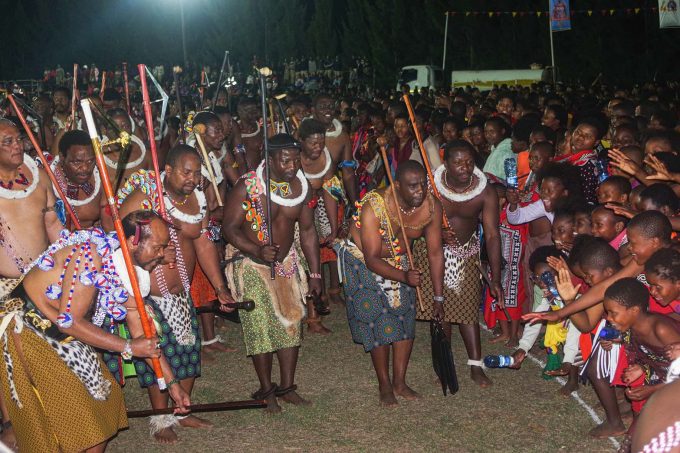
A 4 000+ member Sibaya Elective Conference will comprise of our best minds, emaSwati who represent all collective bodies within the kingdom. These may include: All chiefs (to cover the whole nation), selected Bantfwabenkhosi with Emabandla, church representatives, professional bodies (Medical & Dental Council, engineer forums, the Law Society, accountants, etc.), union & workers’ representatives, SMME representatives, big business representatives, farmers, youth, women representatives, all included.
All these representatives must be the best in understanding their sphere of influence in such a way that they know what type of government leader they want. The sentiments and complaints expressed by ordinary emaSwati at Sibaya are good, but there is a need for these sentiments to be properly articulated and expressed by our best minds who understand the problem and have a possible solution. EmaSwati with a legal understanding can appreciate the problem expressed by a widow and the office of the Master of the High Court.
Once both houses of parliament have been seated, including the appointed members by His Majesty the King, the elections must begin. The winning top four candidates will come out of the joint seating of the Houses of Parliament and be sent to the Sibaya Elective Conference to campaign. The best candidate will win, and His Majesty will officially appoint him or her at Sibaya. This would make the Tinkhundla Political System not only democratic, but fit for purpose, like China. This can be achieved without the need for any divisive political parties.
Comment septembereswatini@gmail.com















Leave a comment