

The question of whether age should be a consideration for serving in Parliament is a topic of interest around the world. Parliament is the cornerstone of governance and its members are tasked with representing the people, debating laws and shaping the policies that dictate the future of a nation. While some argue that age should be a decisive factor in determining eligibility for parliamentary roles, others believe that merit, competence and vision should outweigh age considerations. For the longest time, age has been the standard in many countries, determining whether age plays a pivotal role in parliamentary performance.
Maturity and experience
Age often brings with it a wealth of experience, maturity and wisdom. Older parliamentarians may have lived through notable historical events, observed societal changes and gained a deeper understanding of human behaviour and governance. This perspective can be invaluable in making informed decisions and crafting policies that are practical and sustainable. For instance, older leaders may have decades of experience in public service, law or business, which equips them with the skills needed to navigate complex political landscapes. However, is that all you need?
Emotional stability
With age, individuals often develop greater emotional stability and patience, qualities that are essential in high-stakes political environments. Young people, particularly those in their early 20s or 30s, may lack the emotional resilience required to handle the pressures of political life. Older representatives, on the other hand, may be less impulsive and more focused on long-term outcomes, rather than short-term gains. However, there is still the reality that many of the older people that make it to Parliament lack the education and capacity to give what modern society and government models need for a country to grow; bringing back the question of whether wisdom is truly the bandwidth for parliament?
Representation of older populations
In many countries, a key proportion of the population consists of senior citizens. Having older representatives in Parliament ensures that the needs and concerns of this demographic are adequately addressed. Policies on healthcare, pensions and retirement often require the insights of those who are directly impacted by such issues, making older parliamentarians an asset. It also reflects on that the older generation is more hands on in parliament matters, showing up when it is time to vote and putting forth those that represent them while young people stay behind.
Exclusion of young talent
Imposing age-related restrictions on parliamentary roles can lead to the exclusion of young, dynamic and innovative individuals who bring fresh perspectives to governance. Younger leaders often have a better understanding of contemporary issues, such as technology, climate change and social justice, which are critical in today’s fast-evolving world. By focusing on age, societies risk losing out on the enthusiasm and forward-thinking ideas that younger people can offer.
Competence over age
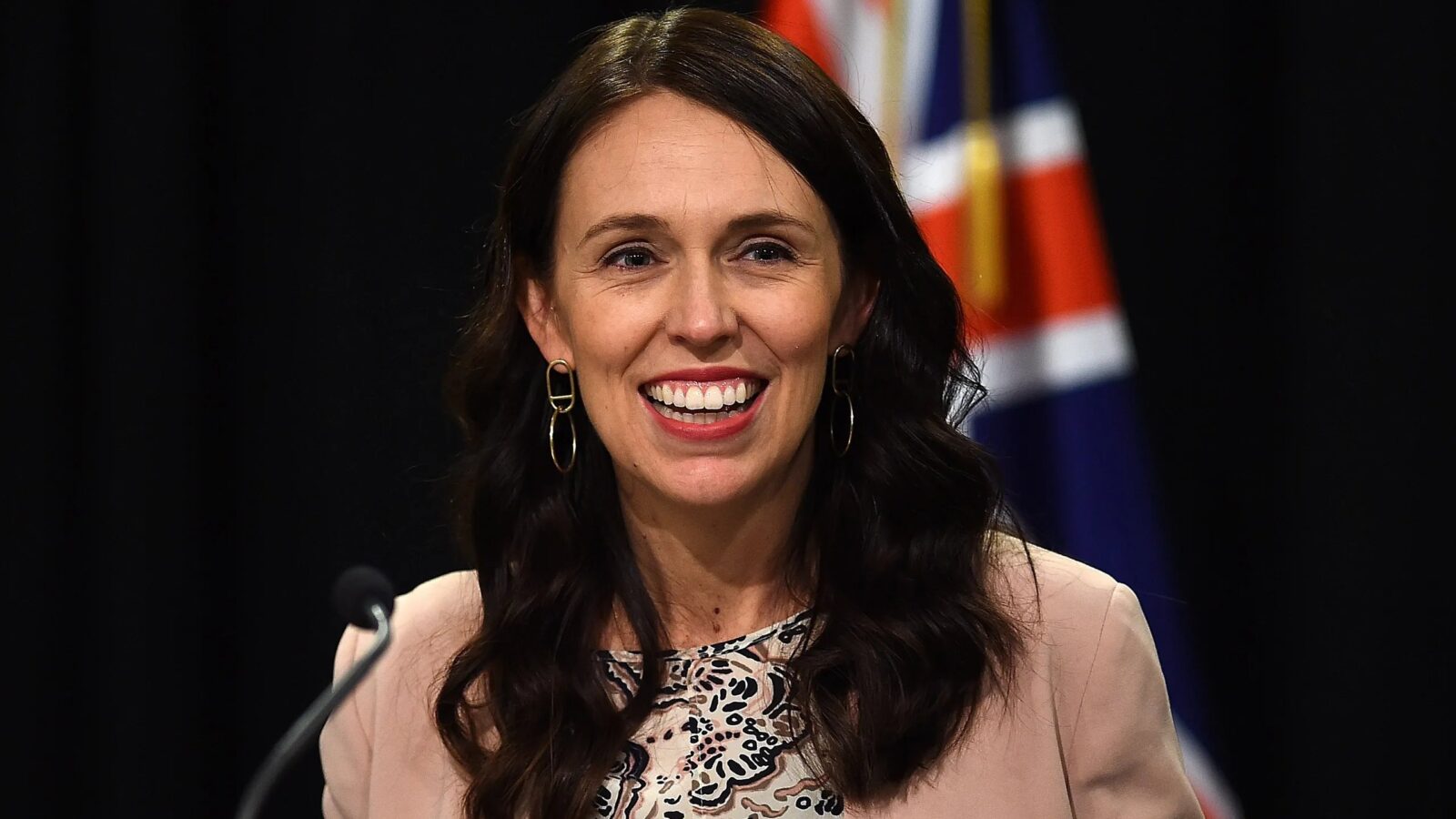
Age does not necessarily equate to competence. There are numerous examples of both young and older leaders excelling or failing in political roles. Competence should be measured by an individual’s knowledge, skills and vision, rather than their age. For instance, leaders like New Zealand’s Jacinda Ardern, who became Prime Minister at the age of 37, have demonstrated that youth can be an asset in leadership.
Bridging the generational gap
In contemporary politics, a substantial challenge is the generational divide between leaders and the youth. Younger generations often feel disconnected from older leaders, who may not fully understand the challenges they face. Young people can act as a bridge, ensuring that the concerns of millennials and Gen Z are heard and addressed. Ignoring this demographic can lead to policies that are out of sync with the times and can alienate younger voters.
Age-related health concerns
Older parliamentarians may face health challenges that can hinder their ability to perform their duties effectively. The physical and mental demands of political life require stamina and agility, which may decline with age. Younger leaders, by contrast, are likely to have the energy and resilience needed for the demanding schedules and responsibilities of parliamentary work.
The question, therefore, is not whether age should be considered, but how it should be factored into the broader assessment of a parliamentarian’s suitability. A balanced approach that values both experience and innovation is essential. Parliament should ideally be a space where individuals of all ages come together to represent the diverse interests of society.
To achieve this balance, countries could focus on implementing policies that encourage greater inclusivity, rather than imposing arbitrary age limits. For example, mentorship programmes that pair younger parliamentarians with seasoned veterans could promote mutual learning and collaboration. Similarly, political parties could prioritise diversifying their candidate pools to ensure representation across different age groups.
Conclusion
In conclusion, while age can influence the effectiveness of a parliamentarian, it should not be the sole criterion for determining eligibility. Both older and younger leaders bring unique strengths to the table and a thriving democracy requires the contributions of individuals across the age spectrum. The ultimate focus should be on competence, integrity and the ability to serve the people effectively. By promoting inclusivity and valuing diversity in Parliament, societies can create a governance system that reflects the needs and aspirations of all its citizens, regardless of age.
















Leave a comment