

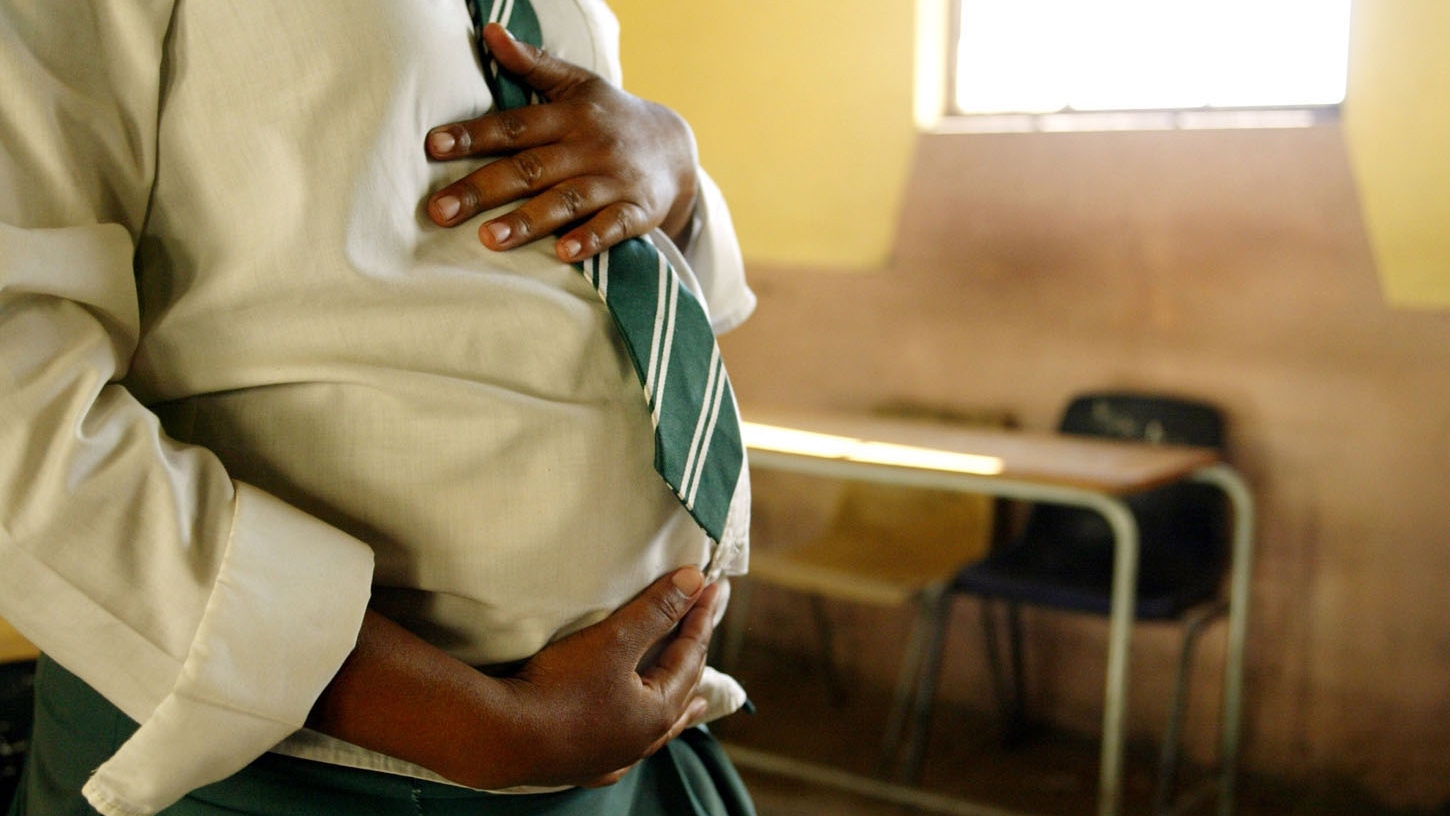
In many corners of Eswatini, the school bell and the cry of an infant ring in painful competition. A girl’s dreams of education are too often interrupted by pregnancy, leaving her to navigate motherhood; long before she has finished learning algebra or reading literature. Teenage pregnancy, once spoken of in hushed tones, has become an undeniable social crisis that reflects more than just individual choices, it reveals the structural inequities and gendered silences woven through our society.
According to recent reports from the Ministry of Education and Training, thousands of girls drop out of school annually due to pregnancy. Behind each statistic is a story of curiosity met with shame, of absence of sexual education, of silence in homes and, sometimes, of coercion or abuse.
At the root of this issue lies a lack of comprehensive sexuality education. In many schools, ‘life skills ‘classes skim the surface, offering moral advice rather than practical knowledge. Teachers, constrained by cultural taboos, often avoid discussing contraception or consent. Parents, too, are reluctant, many seeing such conversations as invitations to immorality, rather than tools for empowerment. As a result, young people turn to peers, the internet or myths for information, often with devastating consequences.
Equally concerning is the limited access to youth-friendly reproductive health services. In rural clinics, adolescent girls report being scolded or shamed by nurses for seeking contraceptives. Fear of judgment pushes them away from health facilities altogether. When unintended pregnancies occur, girls face a double stigma – first for becoming pregnant and then for leaving school.
Eswatini’s Education Act allows for re-entry into school after childbirth, a progressive policy on paper. Yet, in practice, few girls return. Social stigma is harsh; peers whisper, teachers judge and communities mark young mothers as ‘spoiled’. Without childcare support or financial assistance, re-enrolment is almost impossible. Some schools even discourage the return of young mothers to avoid ‘bad influence’ on others.
Meanwhile, the men responsible for many of these pregnancies, some of them much older, rarely face consequences. The sexual abuse of minors, particularly by men in positions of authority such as teachers or relatives, continues under a veil of silence and impunity.
At its core, teenage pregnancy is not merely a health or moral issue – it is a gendered poverty issue. Many girls engage in transactional relationships to meet basic needs like school fees, uniforms or sanitary pads. The economic vulnerability of women and girls, especially in rural areas, perpetuates cycles where older men exploit young girls’ financial dependency.
Child marriage, though outlawed, still occurs in certain traditional contexts, blurring the lines between culture and coercion. When a girl becomes pregnant, some families see early marriage as a ‘solution’, trading education for domestic survival. These patterns reflect deeply entrenched power imbalances between men and women, between culture and rights, between survival and self-determination.
A feminist approach to this crisis asks us to move beyond moral judgement and focus on structural change. It means centering the girl’s voice – not as a victim, but as a rights-holder. It means reframing reproductive health not as a taboo, but as a fundamental part of education and citizenship.
Civil society groups in Eswatini have started championing this shift. Peer educator networks, youth-led dialogues and advocacy for comprehensive sexuality education are gaining momentum. To build a nation where every girl’s potential is protected, we must confront the uncomfortable truth: Until we treat teenage pregnancy as a collective failure of our systems, not a personal failing of our daughters, the cycle will continue. The cradle and the classroom need not compete. With courage, compassion and reform, they can coexist and redefine what womanhood, motherhood and education mean for the next generation.
















Leave a comment