

The anticipated salary review implementation has raised hopes of a better life among many, with some civil servants viewing it as a restoration of their dignity that may, for once, make them look forward to going to work.
For others, they expect the money to walk the talk of the much-touted economic growth that appears on paper, while their pockets and wallets run on empty.
Official figures paint a picture of robust economic expansion, surpassing many regional peers with an average growth rate of 5.4 per cent and a projected 4.3 per cent for the year ahead, presenting a sense of prosperity to permeate everyday life.
Yet, for the ordinary emaSwati, this growth remains an abstract statistic, far removed from the harsh realities of rising costs and shrinking opportunities.
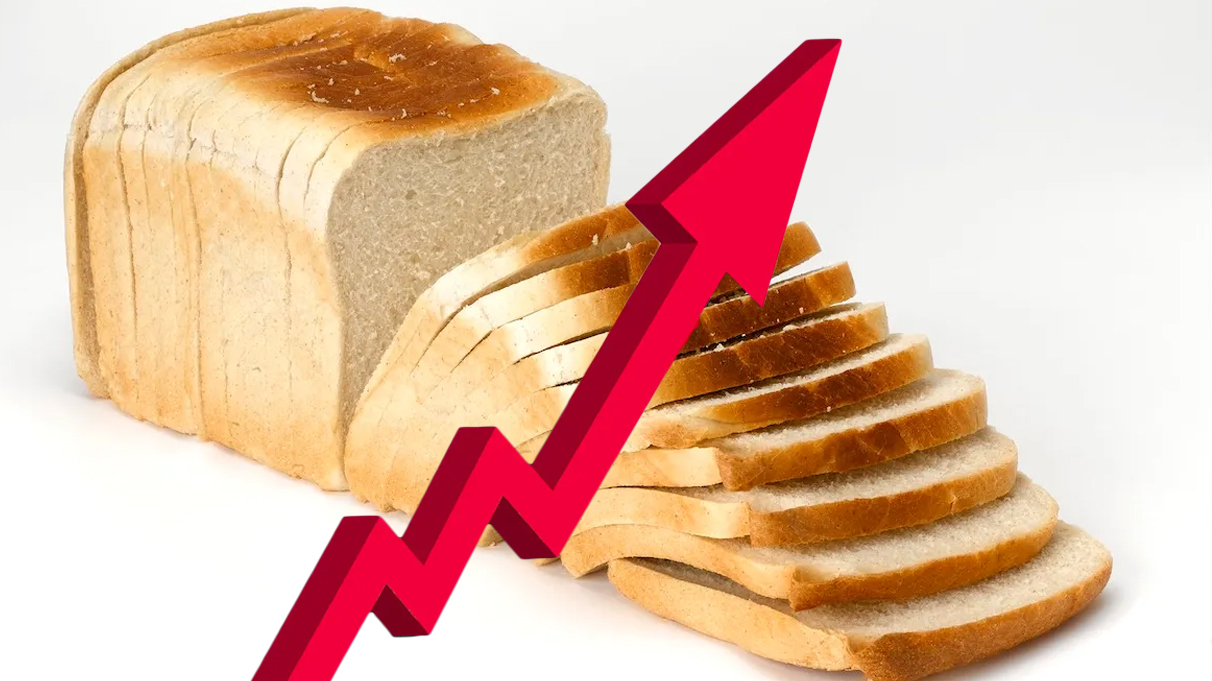
The recent approval by the Ministry of Commerce, Industry and Trade of a seven per cent hike in bread prices has only amplified these grievances; coming on the heels of electricity tariffs rising by eight per cent and water tariffs by four per cent in recent months.
Public outcry has been swift and vocal, with residents decrying the decision as insensitive. As one Mbabane consumer lamented: “The timing is terrible. The cost of everything is up and now they are raising bread prices again. Government should have found another way to support bakeries without punishing consumers.” Another from Simunye highlighted the human cost: “Every lilangeni counts. When the price of bread goes up, it means skipping breakfast or sending a child to school on an empty stomach.”
The Eswatini Bakers’ Association is citing escalating costs in yeast, sugar, packaging, labour and transportation that threaten bakery viability. Chairperson Sibusiso Nxumalo noted that the seven per cent was a compromise from a higher initial ask, aimed at balancing industry survival with consumer impact.
Yet, economists like Dr Thokozani Mamba warn of broader implications: “Bread is one of the most visible price indicators. When bread goes up, it signals to the market that further increases are acceptable.”
He calls for targeted subsidies to cushion low-income families, insisting that such hikes risk triggering rises in other commodities, further eroding purchasing power.
This frustration is compounded by stark employment data from the Ministry of Labour and Social Security’s second quarter report for the 2025 financial year (July to September).
While proactive labour inspections surged by 41 per cent to 587, thanks to new vehicles and inspectors, this enforcement has revealed a 63 per cent rise in redundancies when compared to the same period of 2024, leaving 2 056 employees jobless.
The ministry attributes this to a United States Presidential Order curtailing funding under the PEPFAR Project, hitting sectors like textiles and apparel, security and mining.
The unregulated sector saw 171 redundancies. These job losses expose the vulnerability of our economy and add to existing pressures.
Unemployment stands at 35.7 per cent overall, soaring to 48 per cent among youth, while reliance on South African imports is driving up costs of basic commodities such as maize meal and milk. Fuel costs, though stagnant for seven months, still inflate transport and goods prices and many households have been driven into debt.
Recent Central Bank data shows that borrowing reached E8.8 billion by August 2025, up 2.8 per cent year-on-year. Inflation edged to 2.8 per cent in September, with food prices up 1.3 per cent overall.
Meanwhile, growth in gambling and alcohol sales suggests citizens are turning to escapism amid frustration, while unions are pushing for a minimum wage of about E3 500.
As one economist noted: “The greatest challenge preventing the ordinary liSwati from feeling richer is the high unemployment rate, compounded by ‘black tax’ obligations and the multi-billion projects often going to foreign companies, thus reducing local circulation of funds. Government has tried to argue that emaSwati do get a slice of the cake, but this is only an insignificant fraction of the amount leaving the country.
This disconnect breeds mistrust. When growth figures clash with what prevails on the ground, such as rising tariffs outpacing wage increments, job losses mounting and staple foods like bread becoming luxuries, the population feels unheard.
As labour analyst Lindiwe Vilakati observed: “Wages in the private sector have stagnated, yet the cost of living keeps climbing. Every new price increase widens inequality.” Residents like Nonophile Dlamini complain: “This price hike feels like a cruel squeeze, making life measurably harder for the hardworking people of Eswatini.”
To avoid fuelling anger in the context of job scarcity and resource strain, government must prioritise openness. Transparent communication on economic realities, detailing how growth benefits trickle down, pushing for greater local benefit in major projects and consulting widely on price decisions, could rebuild confidence.
Without this, the risk of social unrest grows, undermining the very progress the nation seeks. Eswatini’s future depends on bridging this gap through honesty, not statistics, which people cannot feel in their pockets.



















Leave a comment