

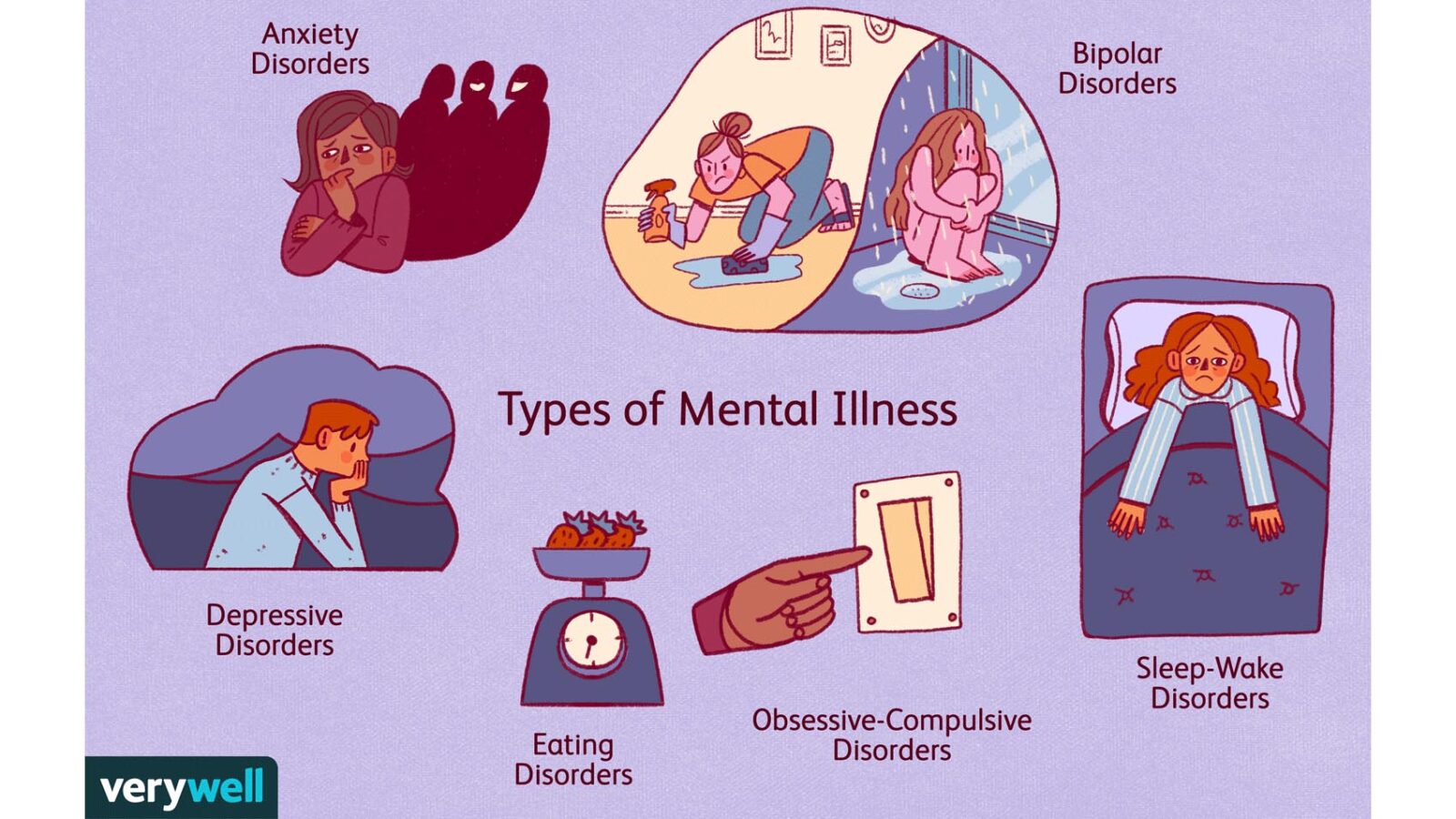
With all the work and research that has gone into advancing the field of Psychology and mental health, both in theory and in practice, the challenge continues to be keeping up with the different ways in which mental health issues manifest in and among individuals in our homes, communities and our society.
Our unique differences as individuals, including the impacts of our upbringing, serve as the most influential factors and with mental health being such an ‘intrinsic phenomenon’, it only makes sense that we portray our mental health issues in unique fashion.
This is a challenge that faces not only professionals in the field on an everyday basis, but it also poses a natural threat to our ability to identify, notice and give attention to people who may be mentally under duress, stress or psycho-emotionally incapacitated. The primary reason for this lies in the fact that as individuals, we tend to differ mainly in our perceptions and from this, we also tend to interpret situations in a variety of other ways in comparison with the next person.
Therefore, this is why we commonly speak of ‘what stresses me, may not weigh the same amount in stress to you’, based on the premise that our mental capabilities may not be equal in measure.
It is for this reason that we need to learn that some mental health issues can easily go ‘under the radar’ or unnoticed because the individual chooses not to recognise their mental health infliction. It then becomes our responsibility to reach out to that person to try and get them to open up and speak on whatever issue they may be ignoring.
As family and friends, we do harbour the responsibility to observe our members with a ‘trained eye’ and by that I mean, our interactions should have the ability to go beyond face value and perhaps from that, we can notice changes in behaviour, in reasoning and in general well-being from a psycho-emotional point of perception. I am in no way trying to suggest that we over-scrutinise our people; perhaps a lengthier conversation can yield some vital psycho-emotional information.
Another thing, the very internally intrinsic nature of mental health makes speaking out on issues very difficult to do, especially unprovoked.
Therefore, it does require some patience for someone to actually speak out about their darkest moments. This also means even when someone appears psychologically stressed, they may not always be ready to share, so it is this fine line and fragility that we need to be conscious and be wary of, especially in mental health conversations.
We have mentioned before about the non-linearity of mental health and this continues to be true in the sense that issues of mental health do not manifest in uniform. Therefore, we are to exercise caution and an awareness of this in order for us to be effective sources of psycho-emotional support. Send comments to runsford0505@gmail.com



















Leave a comment