

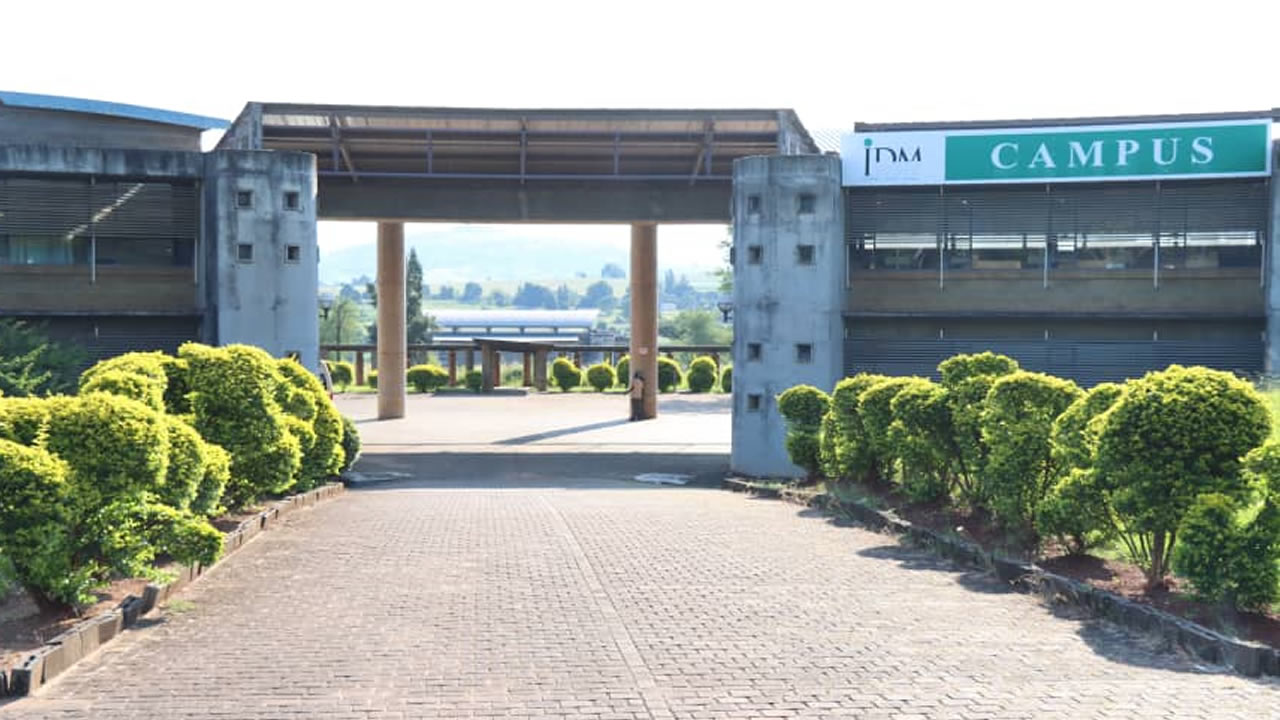
The Institute of Development Management (IDM) offers a transformative Community Development Programme tailored for individuals passionate about driving social change. This practice-oriented qualification equips students with essential tools to design, implement and evaluate development initiatives that are inclusive, sustainable and community-led.
Grounded in the principles of participation, empowerment and collective decision-making, the programme prepares learners to become agents of change within their communities and beyond. With a strong emphasis on real-world applications, IDM ensures that students can effectively translate theory into practice and make a tangible impact in their surroundings.
What you’ll learn
The curriculum blends theoretical knowledge with practical skills. It covers key development topics relevant to both local and global priorities. These include Policy and Development, Gender and Disability Inclusion, Youth Empowerment, Climate Change and Environmental Management, Child Protection and Welfare, Social Justice, Human Rights, Sustainable Development Goals (SDGs), and Community Organisation and Mobilisation. Each module encourages critical thinking and problem-solving to equip students for real-world challenges.
Who can apply?
This programme is ideal for individuals from diverse backgrounds, particularly those from rural and peri-urban areas who aim to uplift their communities. Suitable candidates include community leaders, NGO staff, volunteers, youth advocates, social workers and educators. Whether applicants have prior experience or simply a deep passion for social impact, this programme serves as a gateway to meaningful work that transforms lives.
Why Choose Community Development at IDM?
Unlike traditional social science degrees, this programme emphasizes practical, hands-on learning. While many social science programmes focus heavily on theory, IDM’s approach prioritises action and the application of knowledge to empower individuals and solve real-world problems.
According to Mr Simelane, Course Director of the Community Development Programme at IDM “Let us all say no to the brutal killing of our innocent children which denies them rights to life, education and protection from abuse and exploitation, as enshrined in the African Charter on the Rights and Welfare of the Child.” This urgent call reflects the programme’s deep commitment to child protection, social justice and community-led transformation. By equipping students to confront real issues such as violence, exploitation and inequality, IDM prepares graduates to become advocates for change and defenders of human rights at every level of society.
Key features
Students learn from experienced field-based lecturers who bring valuable insights from years of work in development. The programme uses simulation-based learning and role-play scenarios that mirror real community engagement. Group projects promote teamwork in designing and implementing development initiatives, while service learning offers opportunities to take part in actual community projects and reflect on the outcomes. Case studies help students learn from both global and local development experiences.
IDM emphasizes hands-on engagement, enabling students to conduct fieldwork in their home communities. This approach allows them to apply classroom knowledge in familiar settings, deepening their understanding through lived experience. Assignments are discussed in class to promote peer learning and collaboration. IDM also partners with NGOs, government departments and community-based organisations (CBOs) to formalise internships and expand field exposure.
Key issues addressed
Graduates are prepared to tackle a wide range of social challenges such as poverty, unemployment, gender inequality, climate change, environmental degradation, child welfare, HIV/AIDS and social injustice. These issues are central to development efforts and students are taught to address them effectively.
The programme aligns with international development priorities, including the UN Sustainable Development Goals and Agenda 2063. Graduates are equipped to localize global frameworks and contribute to development efforts nationally and internationally. Their work can make a significant impact in many different contexts.
Career pathways
Graduates are ready for diverse roles such as Community Development Officer, Urban Planner, Policy Analyst, Social Worker, NGO Project Manager, International Development Specialist, Public Health Officer and Non-Profit Leader. These career paths allow them to apply their skills in ways that promote positive change.
For more information, please contact: (+268) 2550 4085 / (+268) 2518 7847 or visit their website on www.idmbls.com.















Leave a comment