

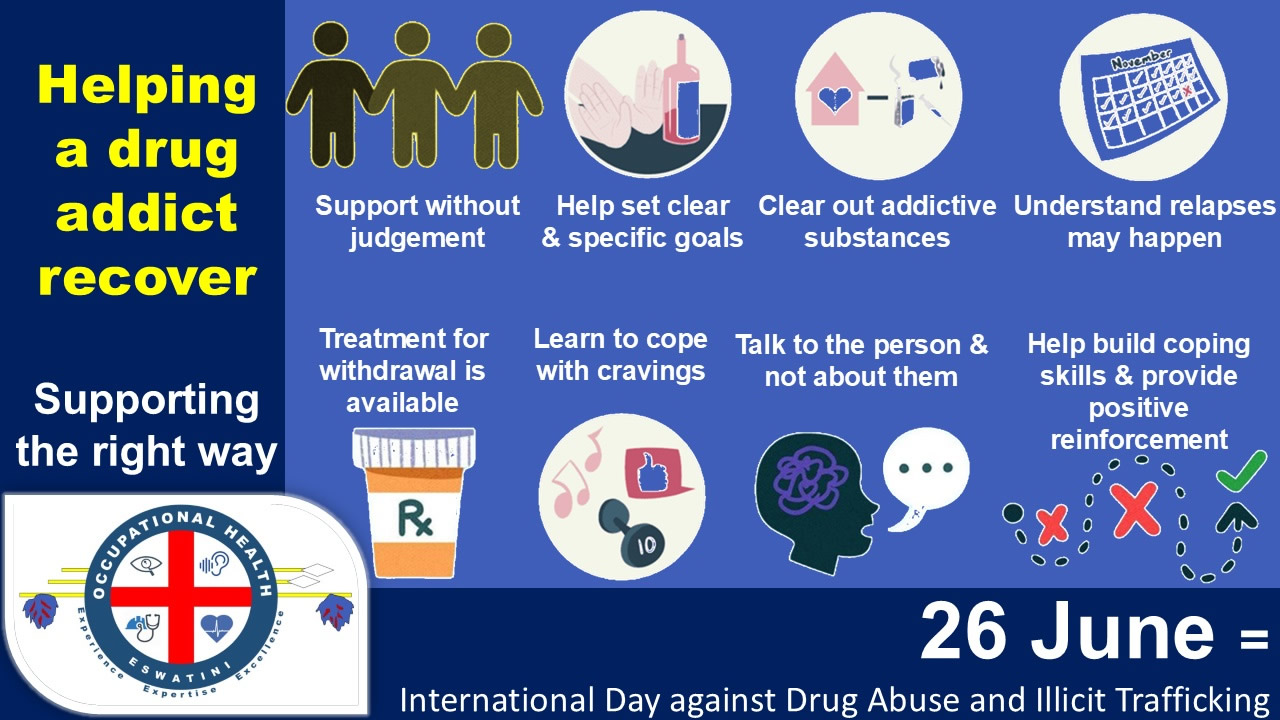
While each addiction has its own unique sets of circumstances and factors at play, there are some general guidelines as to the best way to help someone and offer support.
Get educated
Drug addiction is often a coping mechanism or escape from other problems. By educating yourself on the addiction andit’s causes, you’ll be better equipped to understand and support.
Don’t assume, communicate
Your concerns might not seem like a big deal to them, which is part of the addiction. Be sure not to threaten them, but rather support with love, compassion and genuine concern.The need for change must come from the addict, but you can help them understand how their addiction is hurting you and others around them.
Stay positive
Seek the positives in the situation and keep them motivated. Habit changes are hard. Changing addictive behaviour is even harder, as the chemicals involved interfere with decision making. Remain supportive and understand that slipups will most likely happen. Use supportive communication to explore what led to the slip-up and help figure out how to avoid it in the future.
Offer support
Even though it may be evident to you, drug use can twist their perspective or create distance between them and those they love. After you tell your loved one that you are concerned about their health and drug use, be sure to include that you will stand by them, regardless. Knowing theyhave someone to lean on can be a huge relief.
Keep perspective and stay involved
Avoid getting caught up in their addiction. Keeping your focus on the recovery goals they set themselves initially. Focus on the person and not the addiction. Addicts are often caught in social circles with similar problems, but by remaining present in their life you serve as a healthy,drug-free example and beacon of hope.
Celebrate progress
Recovery is a slow-moving process with no overnight cures or fast-tracks to sobriety, but rather small and gradual changes, so be sure to celebrate any progress made towards the end goal – no matter how small.
Get professional help
While it should ultimately be their decision to get help, you should encourage your loved one to seek out professional help.You can expect initial excuses or total denial,but remain persistent and supportive and don’t make them feel ashamed or guilty for their addiction.
Follow The Times of Eswatini (Twitter) and dr.thys (Instagram) for more health hacks. Send queries to ohesmngr@gmail.com.



















Leave a comment