

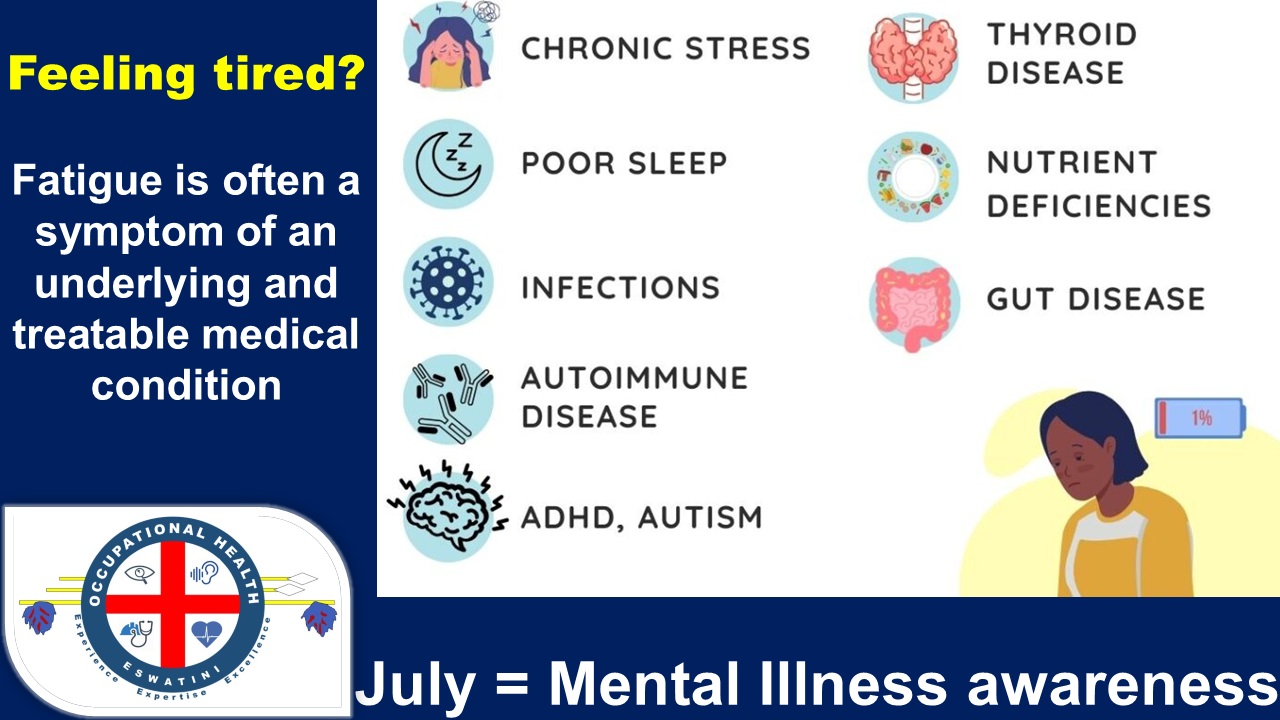
Fatigue refers to a state of tiredness and exhaustion. The most common form, physiological fatigue, relates to lifestyle issues, such as lack of quality sleep and exercise and poor diet, and often resolves with proper rest.
Today’s focus is on pathological fatigue, which is caused by an underlying medical condition. It typically disrupts quality of life, does not resolve with rest and requires medical intervention. Common underlying medical conditions include the following:
Anaemia is caused by insufficient iron stores, impairing the body’s ability to distribute oxygen to critical tissues.
Other symptoms include weakness, pale skin, irregular heartbeat, shortness of breath, dizziness, hair loss and headache. Vegetarians and young menstruating females are most at risk.Sleep disorders are found to be the cause in up to 80 per cent of fatigue cases, with insomnia and obstructive sleep apnoea being the most common. Insomnia refers to an inability to achieve at least 7 hours of uninterrupted sleep.
Other symptoms often include poor daytime concentration, drowsiness and weight gain. Sleep apnoea affects up to 15 per cent of middle-aged adults and is often associated with being overweight.
Other symptoms include excessive daytime sleepiness, loud snoring, episodes of stopped breathing during sleep followed by an abrupt awakening with gasping.
Depression is a common mood disorder which is characterised by changes in how you feel, think and handle daily activities.
Common associated symptoms include sadness, irritability, restlessness, anxiety; loss of interest; difficult concentration; feelings of worthlessness, guilt and helplessness, changes in appetite and body weight, and even non-specific body pains.
Hypothyroidism is commonly caused by autoimmune activity against the thyroid gland, resulting in the underproduction of thyroid hormones.
Other classic symptoms include weight gain, hair loss, cold intolerance, infertility, constipation and depression.
Diabetes Mellitus is a metabolic condition characterised by low insulin or insulin resistance and elevated blood sugar levels.
Classic symptoms include frequent urination, increased thirst and increased hunger. Other symptoms may include fatigue, blurred vision, impaired wound healing, recurring infection and numbness/tingling in the hands and feet.
Infections, especially unresolved or persistent viral infections are one of the most common causes of chronic fatigue. Fever, chills, headache, muscle and joint pain and swollen lymph nodes.
Malnutrition, poor digestion and malabsorption of critical nutrients can cause fatigue.
Gastrointestinal symptoms like indigestion, abdominal pain, bloating, gas, constipation, diarrhoea and fatty stools will clue into malabsorption contributing to fatigue.
Autoimmune diseases develop when the body’s immune system attacks its own tissues.
Symptoms of autoimmune diseases depend on the specific type present but may also include joint/muscle pain and swelling, dizziness, skin rashes, abdominal pain, recurring fever and swollen lymph nodes.
Congestive Heart Failure is a type of heart disease in which a weakened heart loses the ability to pump sufficient blood to meet the body›s nutrient and oxygen requirements.
It usually also presents with shortness of breath, arrhythmia and lower extremity oedema.
Follow The Times of Eswatini (X) and dr.thys (Instagram) for more health hacks. Send queries to ohesmngr@gmail.com.




















Leave a comment