

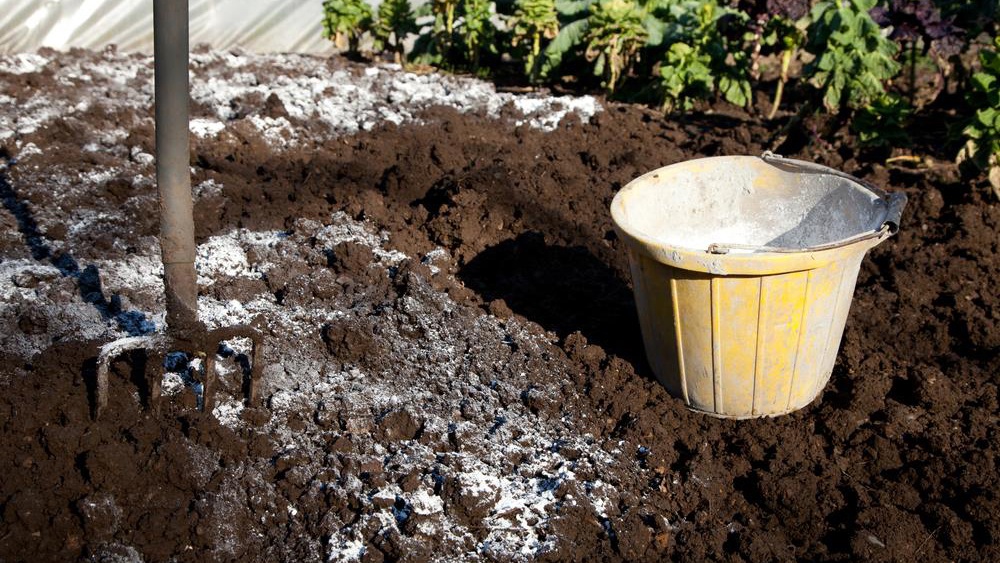
Lime is a soil conditioner and it controls the soil’s acidity by neutralising acids present in the soil. “This allows the soil biology and earthworms to thrive and break down plant residues, animal manures and release nutrients required for healthy plant growth,” mentions Nkosinathi Dlamini, the Woman Farmer Foundation Horticulture Officer. He takes us through the importance of lime in soil application and if you are correctly applying it to the soil. Dlamini also mentions that lime, a calcium carbonate product, is crucial for soil application due to its ability to:
Neutralise acidic soils: Lime increases the pH of acidic soils, making them more suitable for a wider range of crops. Many crops prefer slightly acidic to neutral soils, about 5.5 to 6.8.
Improve soil structure: Lime can help to improve soil structure by increasing its porosity and water-holding capacity. This can improve root growth and nutrient uptake.
Increase nutrient availability: Lime can increase the availability of essential nutrients, such as phosphorus and potassium, in the soil. Low pH (high soil acidity) renders most of these essential nutrients unavailable to plants.
Reduce aluminium toxicity: In acidic soils, aluminum can be toxic to plants. Lime helps to reduce aluminum toxicity by neutralising the soil.
Enhance microbial activity: Lime can promote the growth of beneficial soil microorganisms, which can improve soil health and nutrient cycling. The amount of lime applied to the soil will differ from field to field, depending on many factors such as the soil type, climatic/ecological region, history of farming activities conducted in the soil, etc. “Applying too little lime may not achieve the desired results, while applying too much lime may raise the pH too high for the growth of many crops, therefore, soil tests and analyses should be made and recommendations adhered to for the best results of liming,” added Dlamini.
Assessing soil lime requirements: Why take soil samples?
Soil testing is essential for determining your soil’s pH and nutrient levels, which will help the farmer determine the appropriate amount of lime to apply if necessary. Dlamini says that by understanding the soil’s specific needs, farmers can optimise plant growth and minimise nutrient deficiencies or excesses, thereby maximising their yields.
How to take soil samples
Choose sampling locations: Select several representative areas within your garden or field. Avoid areas near trees, buildings or other structures that may have influenced the soil composition.
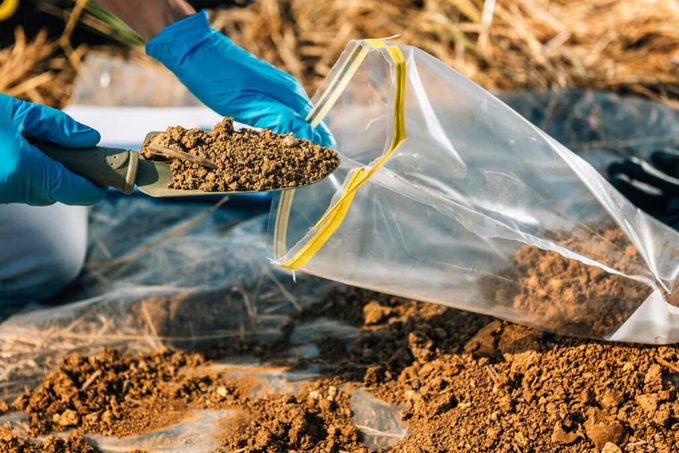
Collect samples: Use a soil probe or shovel to collect samples from the top 15-20cm of soil. Take multiple samples from each location to get a representative sample of the area. To get a good representative soil sample for the field, make a Z or W pattern movement in the field (from edge to edge) while taking samples along your path.
Combine samples: Combine the samples from each location into a single container.
Label and store: Label the container (preferably the brown paper bags) with the location and date of collection. Store the sample in a cool, dry place until you’re ready to send it for testing.
Optimal lime application timing and techniques
When to take soil samples
Spring or fall: These seasons are generally ideal for soil sampling as they provide a representative of soil conditions and they are usually rain free.
Before planting: Take samples before planting new crops to ensure you have the necessary information to amend the soil as needed.
NOTE: Do not apply lime and start planting crops immediately, nor apply lime when the crop is in the field; farmers should wait for at least 4-6 weeks after applying lime to their soils. If possible, give your soil a couple more weeks before planting.
How to apply lime
Various lime application methods are used in different areas where farming activities take place, due to different experiences, soil types and other influential factors such as weather. “The main aim when applying lime to the surface (surface application) should be an even coverage of the ground. The spreading width should be approximately 6-8 metres (m) (depending on wind conditions) to get good coverage of fine particles (less than 0.5 millimetres (mm)). Spreading too wide results in uneven treatment of soil acidity. Larger particles will spread up to 15m, but the effective distribution is poor and will result in variable change in pH. “It is good practice when applying lime to spread the lime prior to any soil disturbance such as deep-ripping, ploughing or spading. This enables better distribution of the lime particles and greater contact with the acidic soil. Liming before deep-ripping for compaction adds value to both treatments,” advised Dlamini.
Pros and cons of lime usage
PROS:
- Increases soil pH: Lime raises the pH of acidic soils, making them more suitable for a wider range of plants.
- Improves soil structure: Lime can improve soil structure, enhancing water retention and root growth.
- Increases nutrient availability: Lime can increase the availability of essential nutrients, such as phosphorus and potassium.
- Reduces aluminum toxicity: In acidic soils, aluminum can be toxic to plants. Lime helps neutralise aluminum.
- Promotes microbial activity: Lime can stimulate the growth of beneficial soil microorganisms.
CONS:
- Over-application: Applying too much lime can raise the soil pH to an alkaline level, which can be harmful to some plants.
- Cost: Lime can be expensive, especially for large-scale applications.
- Environmental concerns: In some cases, excessive lime application can lead to nutrient leaching and water pollution.
- Short-term effects: Lime may temporarily reduce the availability of certain nutrients, such as manganese and zinc.


















Leave a comment