

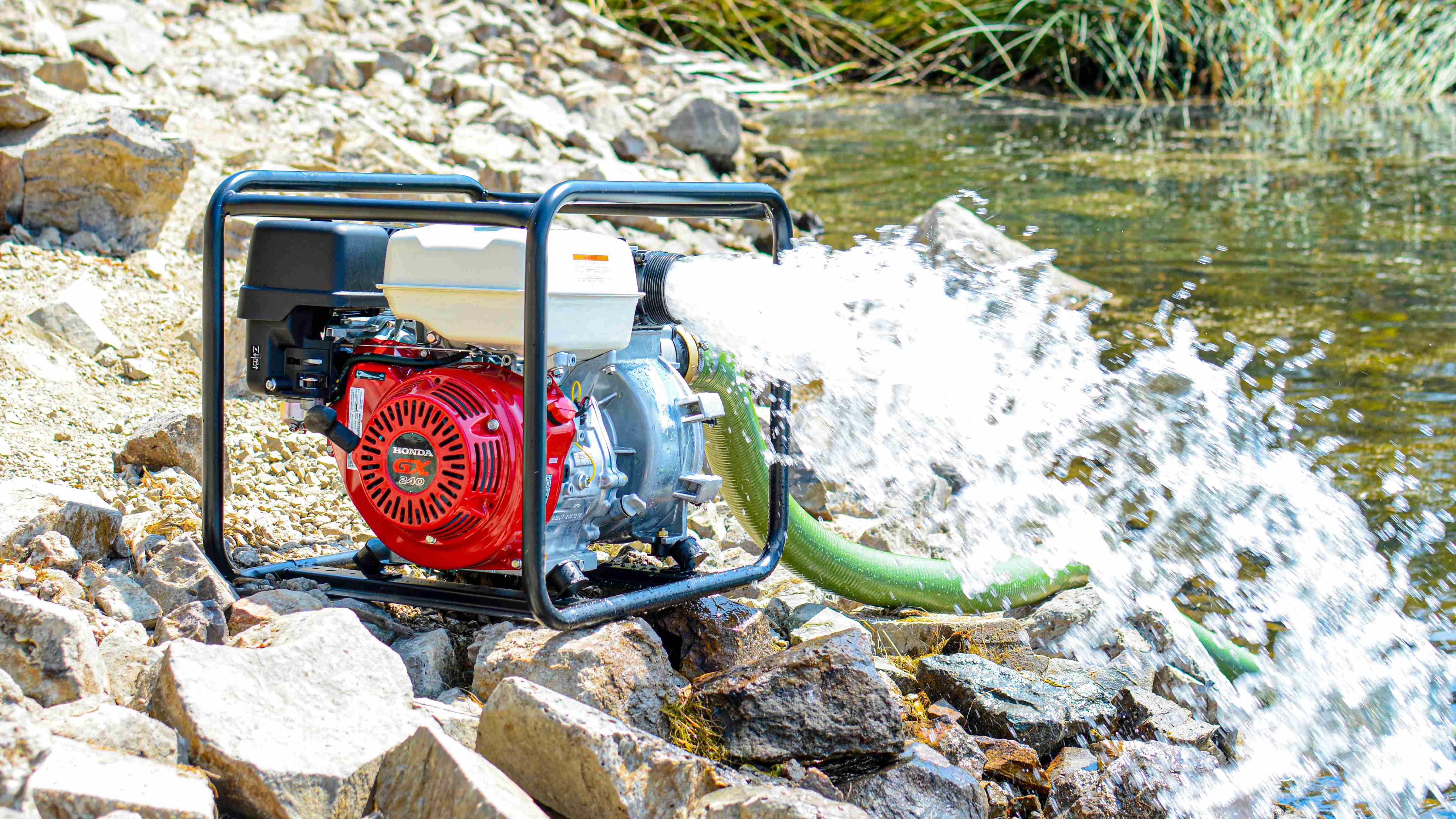
In an age where water scarcity and farming are becoming increasingly critical, many homeowners and farmers are seeking innovative solutions to ensure a reliable water supply. One such solution that many emaSwati have trusted is the borehole pump, a technology that has gained significant popularity for its efficiency and convenience. What has made this device attractive is its ability to enhance the quality of life for both homeowners and farmers by making access to water very easy.
“A borehole pump is a specialised device designed to extract groundwater from underground aquifers (underground layer of water-bearing material) through a borehole, which is a narrow, deep hole drilled into the ground.
These pumps come in various types, including submersible and jet pumps, each suited for different depths and water requirements. Submersible pumps are submerged in the water they are pumping, making them ideal for deeper boreholes, while jet pumps are often used for shallower applications,” mentions the Director at Mvura Investments, Lindokwakhe Sibanyoni.
The benefits of borehole pumps
1. Reliable water supply
One of the key advantages of having a borehole pump is the reliable access to water it provides. “A significant number of emaSwati in remote areas, who store water in tanks, benefit greatly from such an innovation because of the ease, in which their water can be transferred into their tanks. This reliability is particularly crucial for farmers who depend on a consistent water supply for daily activities, irrigation and livestock,” said Sibanyoni.
2. Cost-effectiveness
While the initial investment in drilling a borehole and installing a pump may seem substantial, the director mentions that the long-term savings can be substantial. He says that borehole pumps can drastically reduce dependence on municipal water supplies or bottled water, leading to lower monthly water bills. Additionally, with the ability to harness groundwater, homeowners can minimise their expenses during periods of drought when water scarcity drives up prices.
3. Water quality
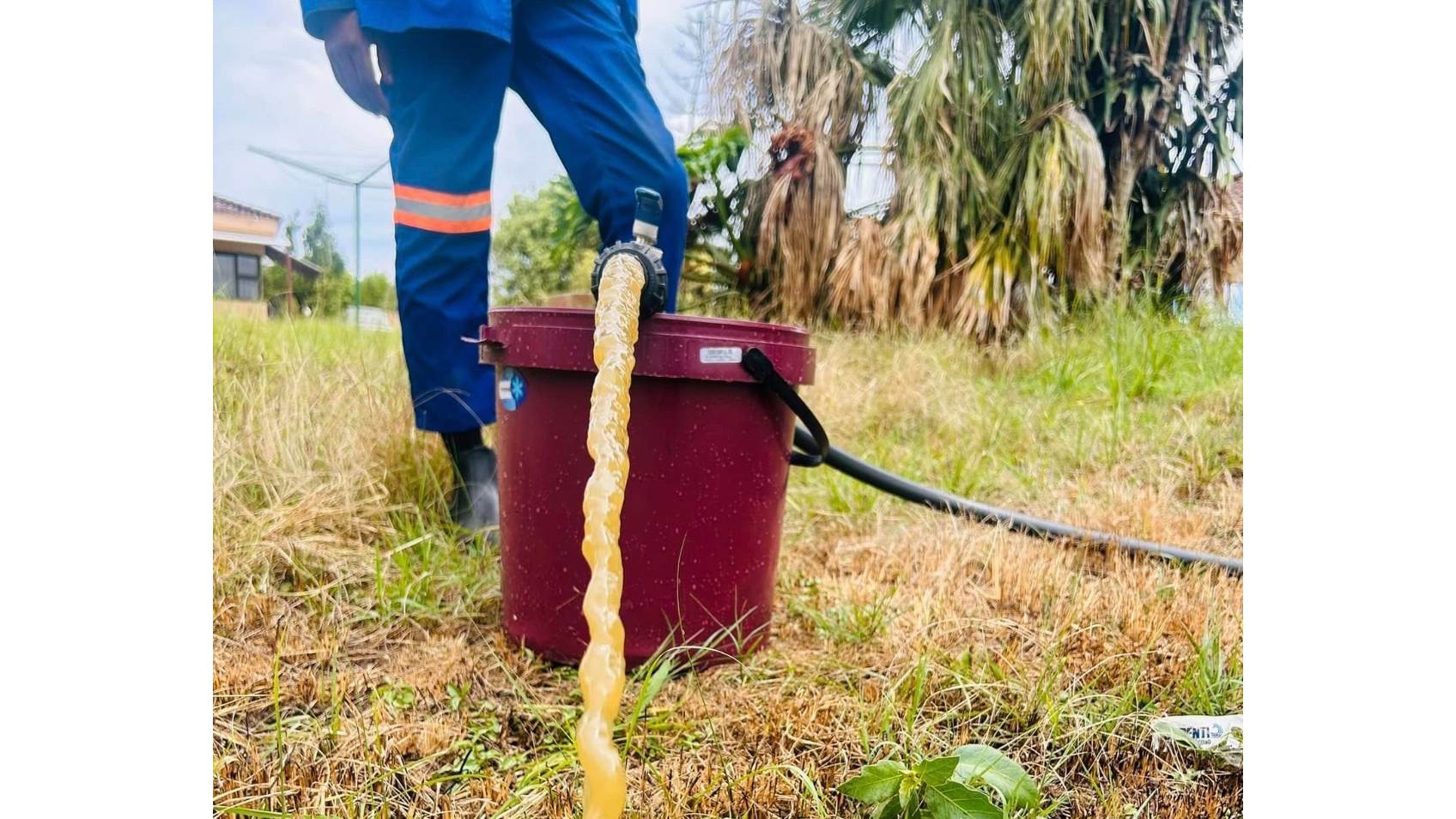
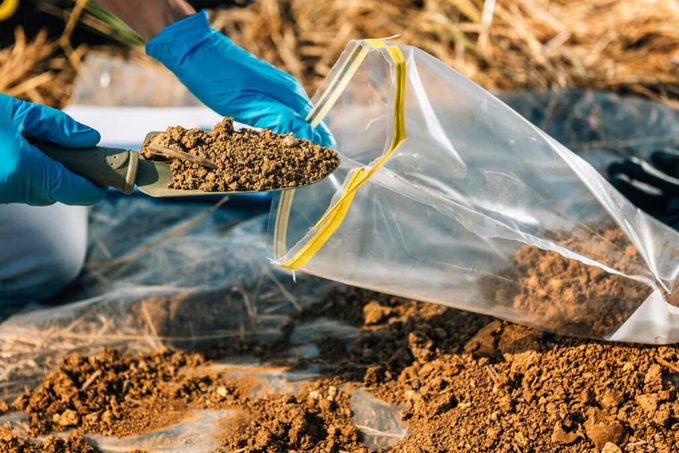
Boreholes can provide access to high-quality water, often free from contaminants found in surface water sources. “By drilling into the aquifer, farmers can obtain cleaner water, which is essential for drinking, cooking and irrigation. Regular testing of borehole water for quality ensures that it remains safe for use, giving farmers a peace of mind regarding their water supply,” he added.
4. Environmental sustainability
Utilising a borehole pump promotes sustainable water usage practices. By tapping into groundwater resources, Sibanyoni mentions that homeowners can reduce their reliance on surface water systems, which are often overexploited. “This practice helps preserve local ecosystems and ensures that natural water resources are used responsibly,” he said.
5. Increased property value
Installing a borehole pump can enhance property value. “Prospective buyers often see a borehole as an attractive feature, particularly in areas prone to water shortages. Having a dependable water source can set a property apart in the real estate market, making it a worthwhile investment,” said Sibanyoni.
Convenience for farmers
1. Versatility of use
Borehole pumps can serve a variety of purposes, making them versatile for both residential and agricultural purposes. “Homeowners can use borehole water for domestic needs such as drinking, cooking, cleaning and gardening.
For farmers, borehole pumps can support irrigation systems; ensuring crops receive adequate water even during dry spells. This versatility enhances the overall efficiency of water usage on the property,” he said.
2. Low maintenance requirements
Borehole pumps are generally designed for durability and low maintenance. Sibanyoni says that once installed, they can operate efficiently for many years with minimal upkeep. Mvura Investments supplies a brand of pumps that have a warranty of up to seven years. Regular checks and servicing can prevent issues and extend the lifespan of the pump, making it a hassle-free option for water supply.
Installation process
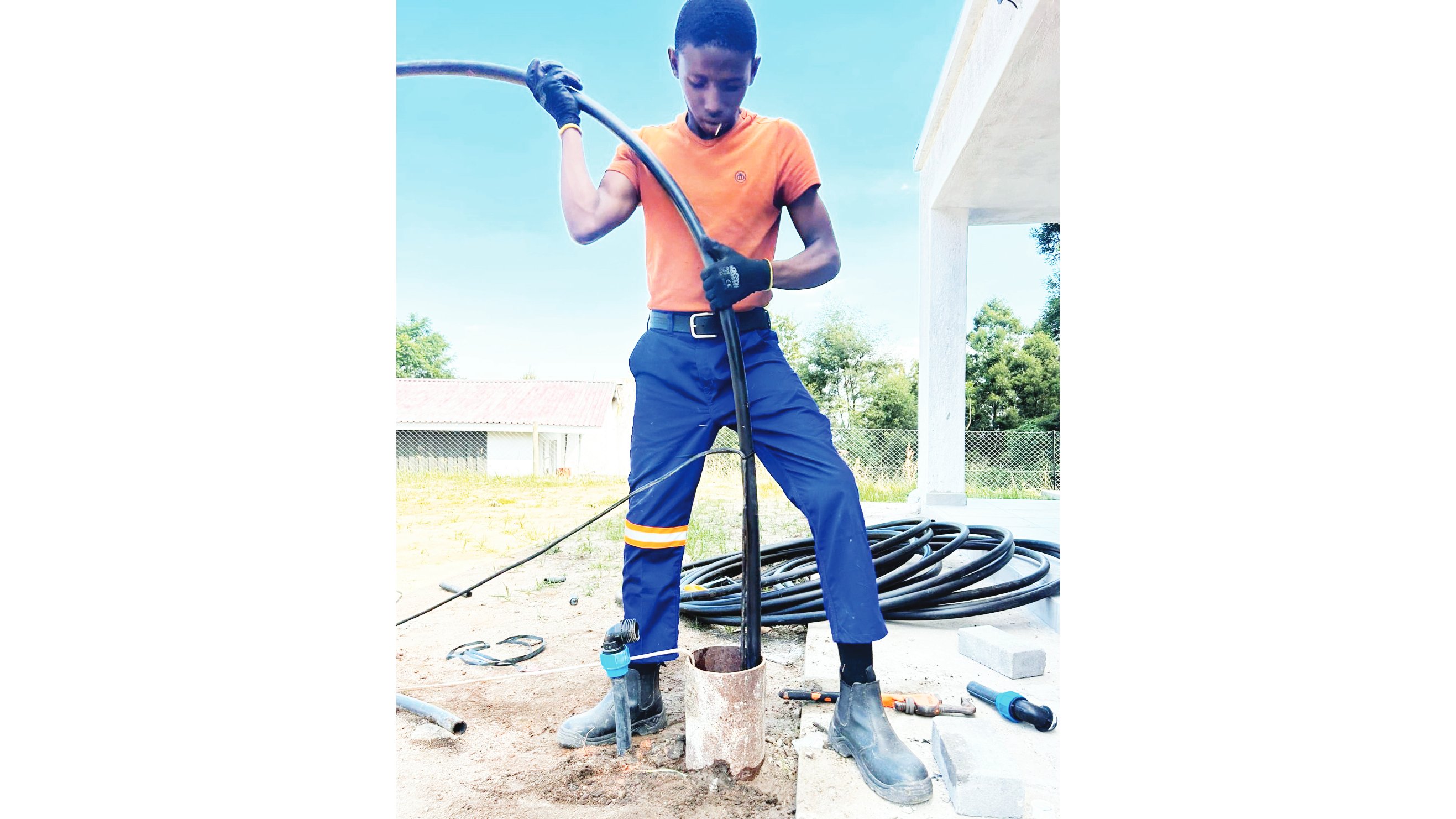
The installation process done by Mvura Investments takes two days. “The first day is used to do a site visit where the team conducts a borehole survey to determine the depth, the quantity of water and the type of cable required. The second day is when the team instals the bump, the process itself takes approximately 4 hours and so by sunset you will have access to quality water from the convenience of your home or farm,” concluded Sibanyoni.
Get in touch with Mvura Investments about pump installation, borehole surveying, water filtration, water tank cleaning, water purification and the sale of other accessories in the borehole drilling industry.



















Leave a comment