

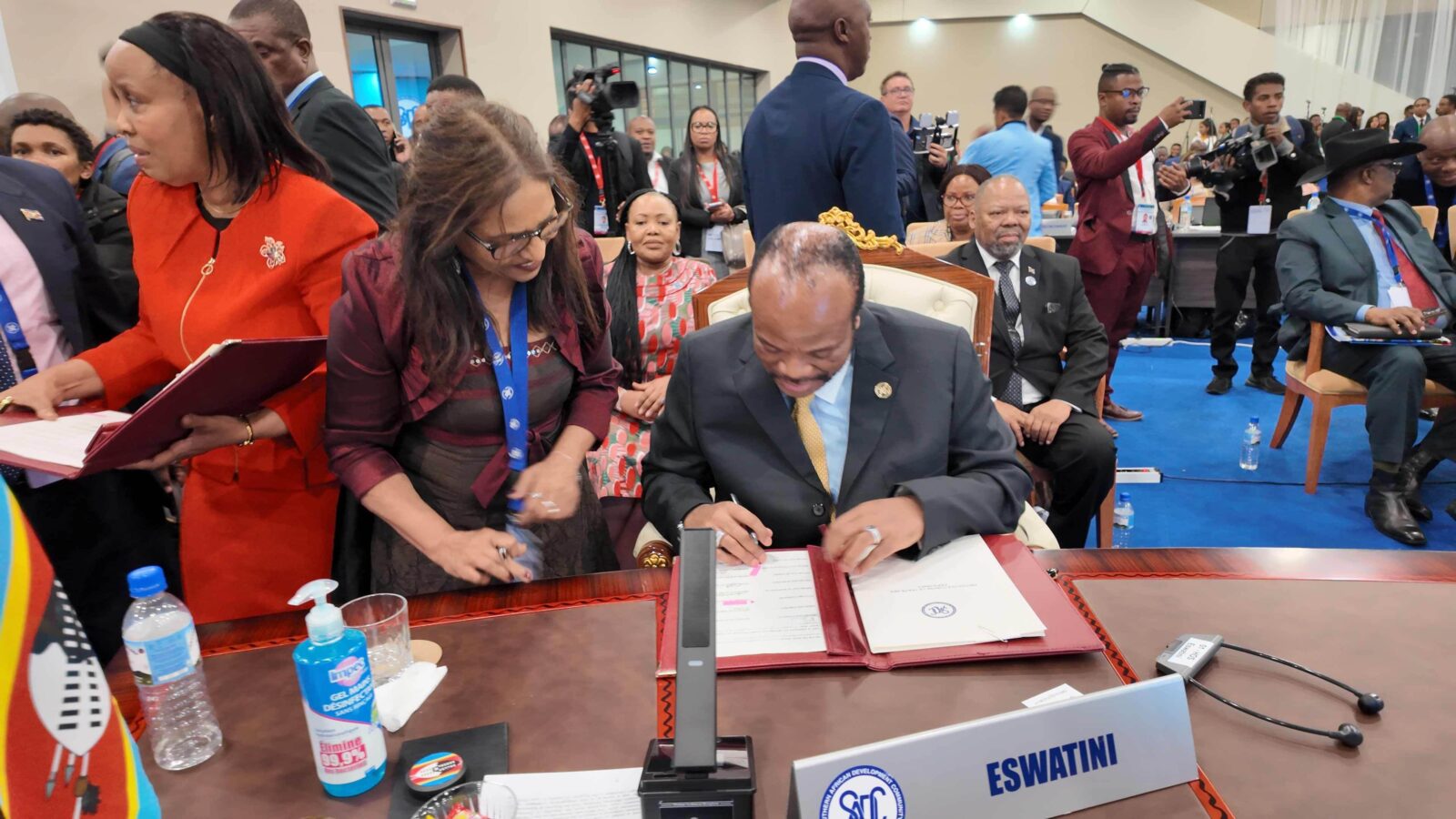
His Majesty King Mswati III’s selection as SADC Troika Deputy Chair placed Eswatini in a seat that shapes regional security decisions and day-to-day diplomacy. The Troika system brings together the current chair, the incoming chair who serves as deputy and the outgoing chair to take rapid, consensus-driven action across southern Africa.
By design, it concentrates authority, so that leaders can respond to political tensions, coordinate observer missions and keep regional programmes on track between annual summits. In that setting, a deputy chair does more than wait in line. The role carries agenda-setting power and access to mediation channels that often decide whether a problem cools or escalates. SADC’s own descriptions of the Troika’s structure and mandate confirm how this rotating trio steers policy and security coordination across the region.
The importance of this appointment sits, first in the security field. The Organ on Politics, Defence and Security Cooperation is managed on a Troika basis and it deals directly with threats to peace and stability. A deputy chair takes part in Double Troika formats when needed, which link the Summit Troika with the Organ Troika for urgent decisions.
That set-up gives His Majesty a formal path to help guide responses to electoral disputes, cross-border crime and early warning programmes, alongside fellow heads of State. It also gives the kingdom routine exposure to intelligence briefings and ministerial processes that feed into summit decisions. In practice, this means faster access to information, better chances to rally support for preventive diplomacy and a seat at the table when observer missions are assembled or extended. SADC records describe how this Troika machinery operates and why the incoming chair’s voice matters throughout the cycle.
A second reason lies in the way past deputy chairs used the platform to deliver concrete outcomes. One clear example came from South Africa, under Cyril Ramaphosa, when SADC appointed him as facilitator in Lesotho’s 2014 political and security crisis. Acting on a Troika mandate, he convened dialogue among rival parties and security actors with the goal of restoring stability. The process led to an agreement that dissolved Parliament and brought forward national elections to February 28, 2015, which eased tensions and put the country back on a constitutional path.
A second example came from Tanzania under John Pombe Magufuli, who entered the Troika as Incoming Chair in 2018, before assuming the SADC chairship in August 2019. During that handover cycle, Tanzania used its position to push industrial development as a regional priority and hosted the 4th SADC Industrialisation Week in Dar es Salaam. That gathering convened policymakers and firms to align projects with the regional industrialisation strategy,
The summit that followed in August 2019 then confirmed Tanzania as chair and kept industrialisation at the centre of the agenda. For Tanzania, the process drew investors to national infrastructure and manufacturing programmes and created space to deepen bilateral economic ties at head-of-State level. These precedents show how a deputy chair can translate proximity to decision-making into gains at home. By sitting in briefings and coordinating with ministers and special envoys, a leader can channel regional projects towards areas that match domestic needs.
For the kingdom, this could include backing for cross-border infrastructure that lowers logistics costs for exporters and makes regional power trade more reliable. It also could extend to climate-security workstreams, where drought and resource stress feed local tensions. The appointment also matters for Eswatini’s international profile. A deputy chair travels more often to Double Troika and Summit meetings and speaks for the region, in moments when quick statements carry weight. That visibility can open doors for sectoral partnerships that outlast a single term. Tanzania’s experience again offers a guide. As incoming chair in 2018, it used the runway to set themes and prepare hosts and institutions for a productive 2019 summit year.
That continuity helped secure follow-through on industrial programmes and positioned its agencies for sustained engagement with the private sector and development partners. Eswatini can use a similar runway to prepare its own chairship year; by mapping projects that match regional strategies and by organising early consultations with neighbours on customs modernisation transport corridors and digital trade rules. SADC updates around the 2018 handover describe how an incoming chair receives briefings on integration files and summit hosting standards, which show the practical work a deputy chair can start immediately.
Regional conflict management remains another field where a deputy chair has weight. When tensions rise, the Troika can call extraordinary sessions and deploy envoys quickly. The Lesotho case showed that early and persistent facilitation, under a Troika mandate, can stabilise a neighbour without resorting to force. For Eswatini, a proactive role in such processes strengthens regional peace and burnishes the country’s reputation as a steady partner. It also builds relationships with security agencies across SADC. Finally, the selection signals trust among peers. Local and regional notices recorded the decision and noted that the deputy chair supports the chair in guiding peace and security cooperation during the term. That continuity matters because it gives Eswatini time to prepare a deliverable-focused agenda and to line-up observers and technical teams, well before chairship begins. It also gives business and civil society in Eswatini a clear timetable for engaging with regional initiatives under a period of heightened visibility.
On balance, the good that could come from this appointment is practical and measurable. The role places Eswatini at the centre of regional decision-making; gives government an open channel to shape security and integration files and allows the country to build long-term partnerships around clear projects.
Comments – bongwebagcinile@gmail.com















Leave a comment