

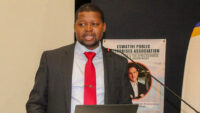
Over the years, a gentleman called Mududzi Dlamini has refreshingly innovated the nation and beyond borders on some of the daily things we go through using comedy, jest and satire. He is mostly known as Mdura and prefers to be called an entertainer than a comedian.
So what brings his name to the Comments and Analysis page? Well recently, in the midst of the army recruitment, this innovative genius posted a video, depicting what may be going on in the mind of a person preparing to compete in the recruitment. A video that humanised a process some looked at as just about those participating yet it was also about the power of going for your goals no matter the odds. A motivational exercise as we have seen it play out on social media, with many stories of victory against the odds.
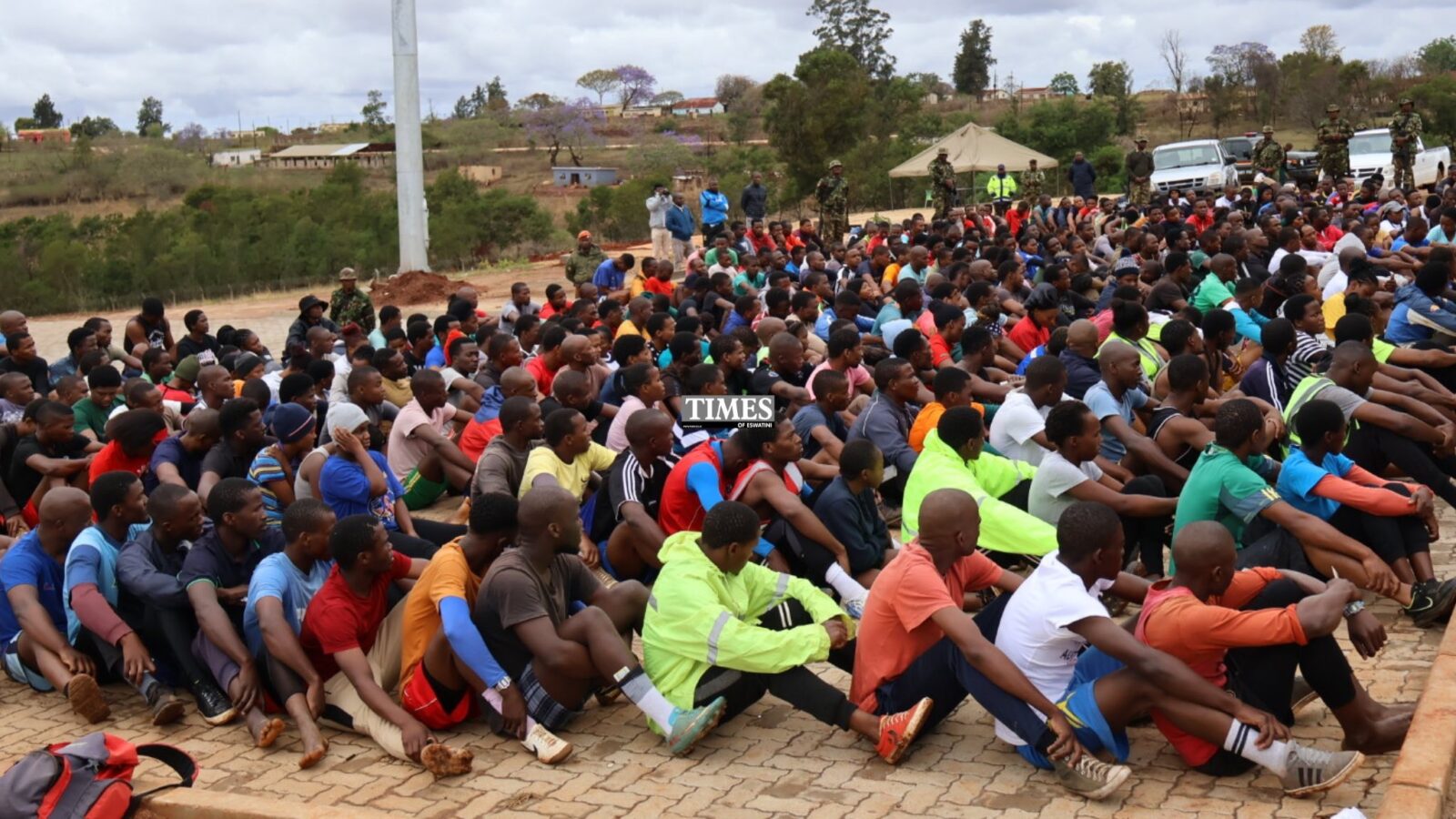
When the 2025 national recruitment drive for the Umbutfo Eswatini Defence Force opening enlistment across tinkhundla centres, this catalysed more than just a military enlistment exercise.
What has unfolded is a clarion moment in which hundreds, perhaps thousands, of young emaSwati have shown up, run, competed and staked a claim on their future, signalling that the energy, discipline and ambition so evident in the army recruitment can reverberate across every sector of our national economy.
That is what the video by Mduduzi depicts, the behind-the-scenes and the silent prayers of one going to this journey. The man in the video also speaks to having confidence and a vision board for your future, it is not comedy but a life lesson. Begin with the end in mind and you will succeed.
The scenes are vivid: At Kukhanyeni, at Mafutseni, at Nhlambeni, young men and women lining up, jogging, sprinting, pushing through physical trials — every muscle, every heartbeat, a testimony of possibility. Its inspirational thinking of how we get to witness the journey towards their dream jobs. Interestingly as we learnt this year, even pupils gave it a shot, proving you are never too young to start your career path. Among them is Sanelisiwe Mphaphu (18), who ‘outpaced all the ladies’ in her cohort during the Kukhanyeni recruitment race, a vivid illustration that this is not just a male domain, but a competitive, inclusive crucible. While many have cheered her story of running in the morning and writing a paper in the afternoon for her Form V exams, a few have expressed discontent at having younger people participate. Reading the comments of those against youth, I can tell many of them do not know the hardships young people face and the stark reality that only one in two is employed no matter their qualification. To then want to exclude them from this process is robbing them of a chance to also be a part of serving the nation.
These aspirants are not just running for the uniform, many are running for dignity, stability, purpose, affirmation and national service. We must see in their feet pounding the ground a larger truth: That across Eswatini, there exists a reservoir of young, ambitious, disciplined energy willing to test limits, show up and strive.
Too often, policy debates about Eswatini’s future focus on skills, on education, on brain drain and yet underappreciate the latent potential in youth who are willing to sweat, to test themselves, to show up. The army recruitment is a stress test , not only of bodies but of character, grit, resilience and commitment. That so many candidates came forward, across constituencies, tells us that the supply side of a hardworking workforce exists.
This is a signal to both the public and private sectors: If the infrastructure, trust, incentives and fair conditions exist, many more emaSwati would step up. If young women like Sanelisiwe can sprint past expectations in a physical trial, imagine the heights they could reach when given access to STEM fields, entrepreneurship, agriculture, health and technology. The private sector should take a leaf from this. The army campaign can be a pivot point, a psychological pivot, shifting narratives from ‘where are the workers?’ to ‘how do we work with those who already want to work?’
As these young recruits are vetted, medically assessed, trained, and absorbed, the underlying message is this: We have raw potential and it wants a path.
Of course, checks and balances must be rigorous. The UEDF has signalled that stricter anti-malpractice measures, transparency, community oversight and local leadership will play roles in guarding the integrity of the recruitment process. If that promise is kept, this becomes not just a military exercise, but a trust-building exercise in governance and institutional credibility. While this article is pivoted on an entertainer, the youth aspect also is inspiring. It is instructive to note that many participants are students or fresh school leavers. They are not simply opting out of academic paths; rather, they are propositioning the idea of multiple tracks for progress. The decision to run, literally and figuratively, shows a generation unwilling to remain passive.
In many tinkhundla, recruitment events have become communal festivals of hope. At Kukhanyeni, for example, the spirited turnout was reported in social media reels and local broadcasts, capturing images of youthful determination and community support. Young people are voting with their legs for the possibility of viable livelihoods. Some succeed and some will be reserves and many will fall short in the trials. But even the act of participation is a form of agency.
This momentum should invite us to expand thinking: What if recruitment exercises also seeded leadership pipelines, life skills programmes, mentorship networks and entrepreneurship bootcamps linked to the process? What if, for those who don’t make the cut, there is a ‘plan B’ that channels their drive into internships, apprenticeships, public service roles? The process is alive with possibilities.
One of the most powerful stories of this recruitment wave is that the very traits tested, discipline, punctuality, endurance and teamwork, are highly portable. Whether in commerce, agriculture, municipal governance, health systems, education or tech, the qualities of a soldier are deeply relevant to any high-performance institution.
As Eswatini seeks to expand industrialisation, foster SMEs, scale digital infrastructure and improve service delivery, we must recognise: The same people who push through military drills may also be wired for disciplined project management, quality control, demanding standards and collaborative work.
If the government, private sector, NGOs and social enterprises seize the moment, we can translate the aura into a culture of accountability across sectors.
Moreover, recruitment in this national frame sends a symbolic message: That service to nation, excellence and upward mobility are not separate tracks. The soldier is not a last resort, he or she may be among the best examples of what we want across society.
May this recruitment season and others be the prologue to a new chapter of innovation, of hardworking commitment, of bridging the gap between aspiration and becoming symbolic of a nation running towards its better future in all sectors, not just this one, lets see others like manufacturing and retail arising to recruit these amazing able youth.














Leave a comment