

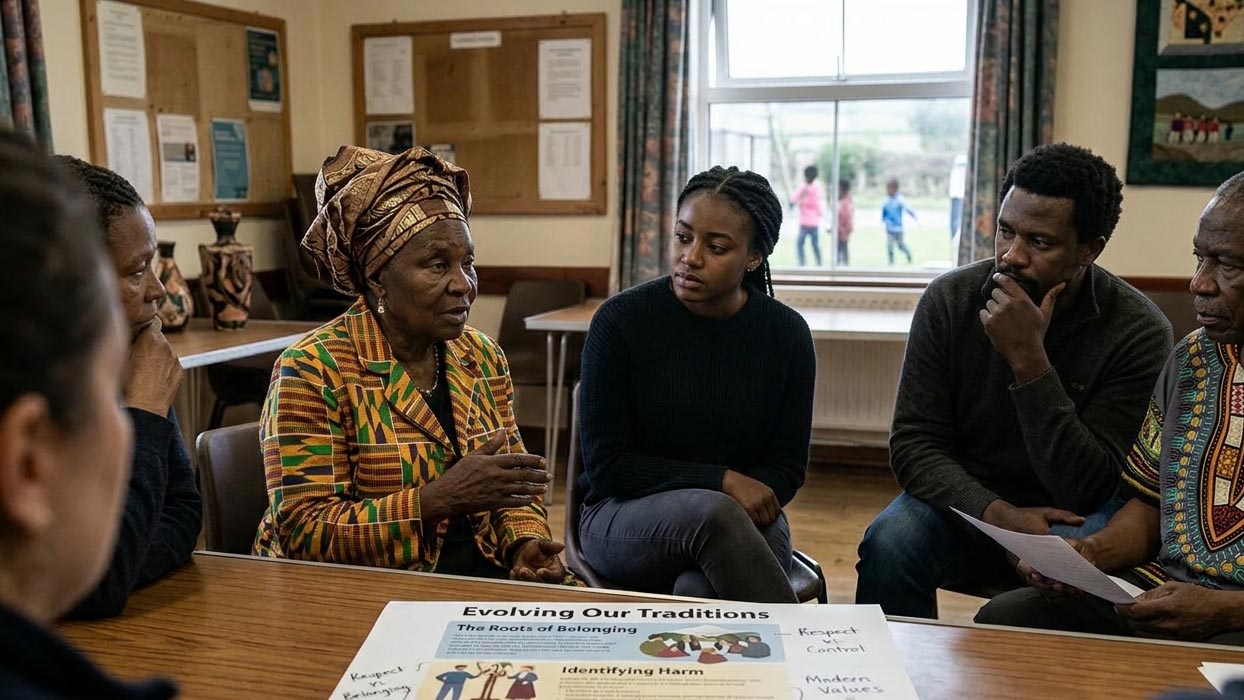
Tradition is often seen as something sacred. It connects generations, preserves identity and gives people a sense of belonging. Across cultures, traditions shape how we celebrate, mourn, marry, raise children and understand our place in the world.
Traditions carry history, meaning and pride, but not all traditions are harmless. Some, despite their cultural significance, continue to harm individuals and communities emotionally, physically and socially. Yet even when their impact is clearly damaging, they persist. The question is not just why these traditions exist, but why they continue.
One of the most powerful reasons harmful traditions survive is because they are deeply tied to identity. For many people, culture is not just something they practice; it is something they are. To question a tradition can feel like questioning one’s roots, family or even sense of self. This creates a powerful resistance to change. People may recognise that a practice is harmful, but abandoning it can feel like losing a part of who they are or betraying those who came before them. In many communities, traditions are passed down without being questioned. Children grow up observing and participating in practices long before they have the ability to critically evaluate them. By the time they are old enough to question these traditions, they are already deeply ingrained. What is familiar often feels right, even when it is not. This normalisation makes it difficult to separate cultural value from harmful impact.
Another reason harmful traditions persist is social pressure. In tightly connected communities, belonging is often tied to compliance. Those who challenge or reject certain practices may be labelled disrespectful, rebellious, or ‘lost’. The fear of being judged, excluded or misunderstood can be enough to keep people silent, even when they are uncomfortable. In some cases, the consequences of resisting tradition can be severe, including rejection by family or community.
There is also the issue of power. Some traditions benefit certain groups more than others. Often, harmful traditions are sustained because they reinforce existing power structures particularly those related to gender, age or authority. For example, practices that place women in subordinate roles or limit their autonomy may continue because they serve those who hold power. When a tradition benefits those in control, there is little incentive for change. For example, women cannot wear pants or women should not earn more than their husbands or even that woman should kneel when serving food to men. Sometimes tradition calls these things respect.
This is where the conversation becomes uncomfortable. It forces society to confront the reality that not all traditions are neutral. Some are rooted in inequality, control or outdated beliefs that no longer align with modern values of fairness and human dignity. However, it is important to approach this conversation with nuance. Not all traditions are harmful and not all should be abandoned. Many traditions offer a sense of connection, continuity and meaning that enrich people’s lives. The challenge lies in distinguishing between traditions that preserve culture and those that perpetuate harm.
Another reason harmful traditions endure is because change is slow. Cultural practices do not shift overnight. Even when awareness grows, it can take generations for attitudes to evolve. People may intellectually understand that a tradition is harmful but still feel emotionally tied to it. Letting go requires not only knowledge but also courage, the courage to stand apart, to have difficult conversations and to imagine new ways of honouring culture without causing harm. In some cases, traditions are maintained because they provide structure in uncertain times. They offer predictability and comfort, especially in communities facing economic or social instability. When life feels uncertain, people often cling more tightly to what is familiar. Even harmful traditions can feel safer than the unknown. Breaking away from harmful traditions does not mean rejecting culture entirely. It means engaging with it critically and consciously. It means asking difficult questions: Does this practice still serve us? Who does it benefit? Who does it harm? Is it possible to preserve the meaning behind the tradition without continuing the harm?
Some communities have already begun this process, adapting traditions to reflect changing values while still honouring their cultural significance. This shows that culture is not static; it evolves. Traditions are not frozen in time. They can be reshaped to align with dignity, equality and well-being. Ultimately, the survival of harmful traditions is not just about culture. It is about fear, identity, power and the human tendency to hold on to what is familiar, but growth requires reflection. It requires the willingness to question what we have inherited and to decide what we want to carry forward. The true strength of a culture is not in its ability to remain unchanged, but in its ability to evolve. Traditions should not be protected at all costs.
















Leave a comment