

In a world that constantly celebrates growth, risk-taking and chasing dreams, stability has quietly become unfashionable. We are taught to aim higher, move faster and never settle. Social media is filled with stories of people quitting their jobs, relocating across the world to teach, work or build businesses from scratch.
The message is loud and clear: Bold moves are admirable, and staying still is something to outgrow, but somewhere in this pursuit of constant elevation, stability has been misunderstood, even dismissed. It is often confused with stagnation, seen as a lack of ambition or labelled as settling for less. Yet, for many people, stability is not the absence of growth. It is the foundation that makes growth possible.
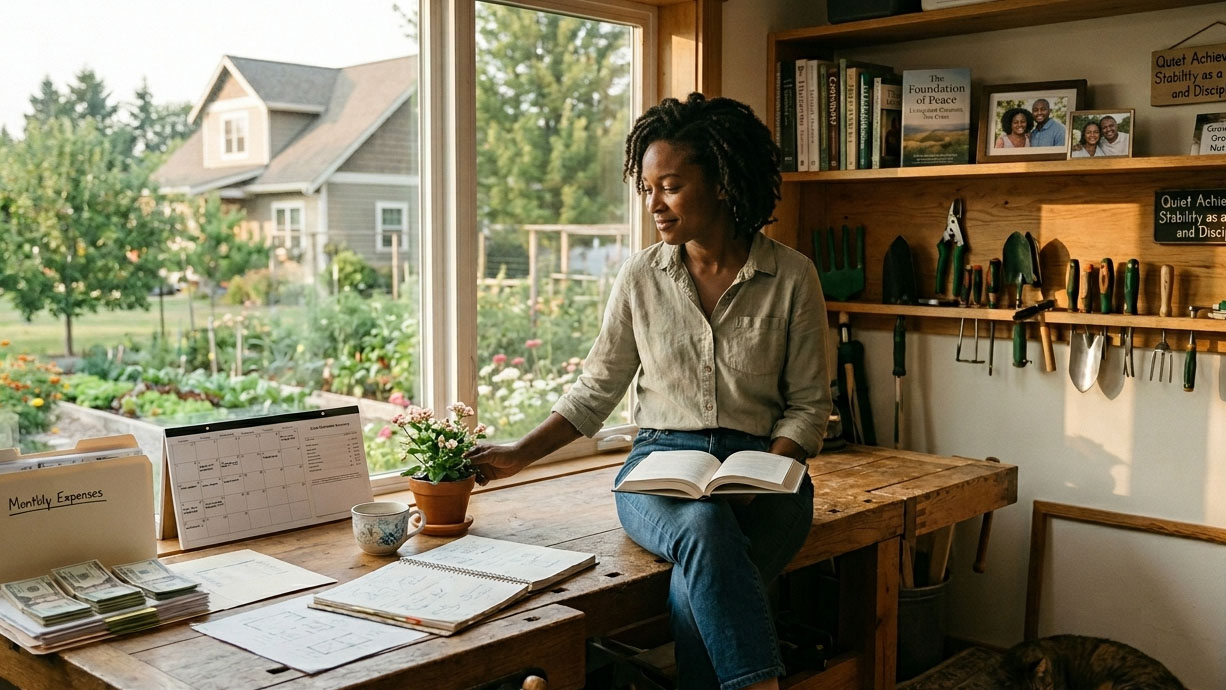
Stability, at its core, is about consistency. It is knowing where you stand financially, emotionally and mentally. It is having a rhythm to your life that allows you to function without constant crisis. It may not look exciting from the outside, but it offers something far more valuable than excitement: That is, peace. One of the reasons stability is underrated is that it does not make for compelling stories. There is no dramatic narrative in paying your bills on time, maintaining a steady job or showing up consistently in your relationships. These are quiet achievements. They do not attract applause, but they build a life that is sustainable. In contrast, risk and change are visible. They are easier to celebrate because they come with a visible transformation. However, what is often overlooked is the cost of constant instability. Living in a state of uncertainty, whether financial, emotional or professional, can be exhausting. It keeps the mind in survival mode, where decisions are driven by urgency rather than intention. While risk can lead to reward, too much instability can lead to burnout, anxiety and poor decision-making.
Stability creates space. When your basic needs are met and your environment feels predictable, you are able to think more clearly. You can plan long-term, make thoughtful decisions and invest in yourself without the constant pressure of survival. Stability is what allows people to take intentional risks rather than desperate ones.
In many ways, stability is a privilege, but it is also a discipline. It requires consistency, patience and often sacrifice. It means choosing long-term security over short-term gratification. It means staying committed even when things feel repetitive or slow. This kind of commitment is rarely celebrated, yet it is the backbone of most successful lives.
Another reason stability is undervalued is that we often associate it with comfort and comfort is frequently portrayed as the enemy of growth. While it is true that too much comfort can lead to complacency, stability is not the same as complacency. Stability does not mean you stop growing. It means you grow from a place of grounding rather than chaos. There is a difference between being comfortable and being secure. Comfort can make you avoid challenges. Stability, on the other hand, gives you the strength to face them. When you are stable, you are not constantly trying to recover from setbacks. You are building, step by step, with intention.
Stability also plays a crucial role in relationships. Healthy relationships are not built on constant excitement or unpredictability. They are built on trust, reliability and emotional safety. Knowing that someone will show up for you consistently is far more valuable than occasional grand gestures. Yet, in a culture that glorifies intensity, this kind of steadiness is often overlooked. The same applies to personal identity. When your life is constantly changing, it can be difficult to feel grounded in who you are.
Stability allows you to develop a sense of self that is not easily shaken by external circumstances. It gives you the confidence to navigate change without losing yourself in the process. It is also important to acknowledge that stability looks different for everyone. For some, it may mean a steady job and a predictable routine. For others, it may mean emotional balance or financial independence. Stability is not one-size-fits-all, but its value remains universal: It provides a sense of security that allows life to unfold with less chaos.
This is not to say that people should avoid taking risks or pursuing change. Growth often requires stepping out of comfort zones and embracing uncertainty.
But there is a difference between calculated risk and constant instability. Stability should not be something we escape from; it should be something we build upon. In redefining success, perhaps it is time to include stability as part of the equation. Not just the visible achievements, but the quiet consistency behind them. Not just the bold moves, but the steady foundation that supports them.



















Leave a comment