

In an era characterised by rapid technological advancements, shifting social norms and evolving cultural landscapes, the question of whether adults are effectively adjusting to the modern world and understanding the psychology of contemporary parenting has become increasingly pertinent. The dynamics of family life, societal expectations- and individual roles have transformed. A decade ago, corporal punishment was a normal form of discipline and today it is banned even in schools. A new language of ‘trauma’ and ‘gentle parenting’ stands at the forefront of what raising children is today.
The rapid pace of change in the modern world
The 21st century has ushered in a digital revolution, fundamentally altering how people communicate, learn and connect. Smartphones, social media and instant access to information have created a hyper-connected society, but they have also introduced new challenges. Adults today are navigating a landscape where information overload, digital distractions and the pressure to maintain a curated online presence are commonplace. These factors influence not only individual lifestyles but also parenting styles, as caregivers grapple with managing their children’s interaction with technology. Additionally, societal norms surrounding gender roles, family structures and cultural expectations are becoming more fluid. Traditional models of parenting are giving way to more child-centred approaches. This shift requires adults to reconsider long-held beliefs about authority, discipline and emotional support, prompting a need for continuous learning and adaptation. In the words of our ancestors hailing, but is this the case?
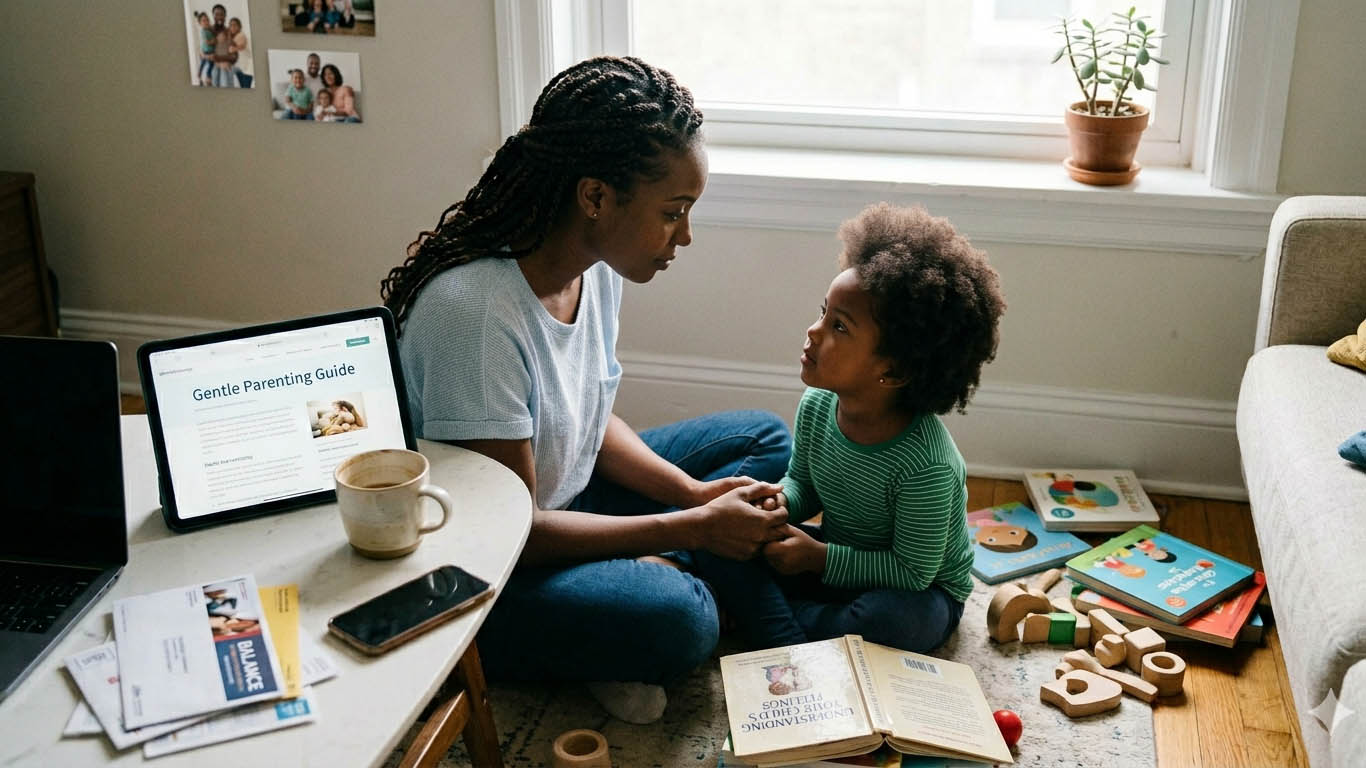
Modern parenting isn’t just about rules; it’s about understanding your child’s feelings, needs and fears.
It’s about building a relationship based on trust rather than fear. Many adults are starting to realise that children thrive when they feel safe, loved and understood. This means parents need to be emotionally present, listening and empathising rather than just instructing.This shift also involves recognising that mental health is just as important as academic success. Parents are learning that raising children isn’t about pushing them to excel but about helping them develop resilience, confidence and emotional intelligence. They’re learning to be more patient with their children’ mistakes and to guide rather than punish.
Are adults struggling to keep up?
Despite these new insights, many adults find it tough to adapt. For some, it’s a matter of habits; they grew up in a different era with different expectations. For others, the barrage of conflicting advice online can be overwhelming. One article says strict discipline is necessary; another says it damages self-esteem. This can leave parents feeling unsure of what’s right. Then there’s the emotional side. Parenting in today’s world often means managing your own stress, insecurities, and unresolved issues while trying to be there for your children. Not everyone has had the chance to learn healthy emotional regulation, so it can be a struggle to stay calm and patient when everything feels chaotic.
Growing and learning as a parent
Despite the hurdles, many adults are actively trying to learn and grow. Books, online forums, parenting classes and therapy are more accessible than ever before. Many parents are recognising that they don’t have to have all the answers and that learning is an ongoing process. They’re seeking advice, sharing experiences and trying to be better for their children. Society is also starting to support parents more by offering mental health resources, flexible work arrangements and community programmes aimed at helping families thrive. These resources remind parents that they’re not alone and that adjusting takes time and effort.
Conclusion
In the end, adults are definitely trying to adjust to the modern world; they are also just people living life for the first time and figuring things out. They’re learning new ways to connect with their children, understanding the importance of emotional health and grappling with the challenges that come with rapid change.
It’s not always easy, and nobody gets it perfectly right. But the willingness to learn and adapt shows that many parents are on the right path. What matters most is that we acknowledge the difficulties, offer support and recognise that growing as a parent is a lifelong process. As the world continues to change, so too must our understanding of what it means to raise healthy, happy children, an effort that requires patience, empathy and a lot of heart.



















Leave a comment