

Let’s face it: While we would all love to be able to offer our babies only homemade, healthy foods, life can be busy and there are times that opting for premade convenience will save your sanity!
Luckily, nowadays, you can find a host of baby food options at any grocery store, but with so many choices available, how can you be sure you’re making the best one for your child?
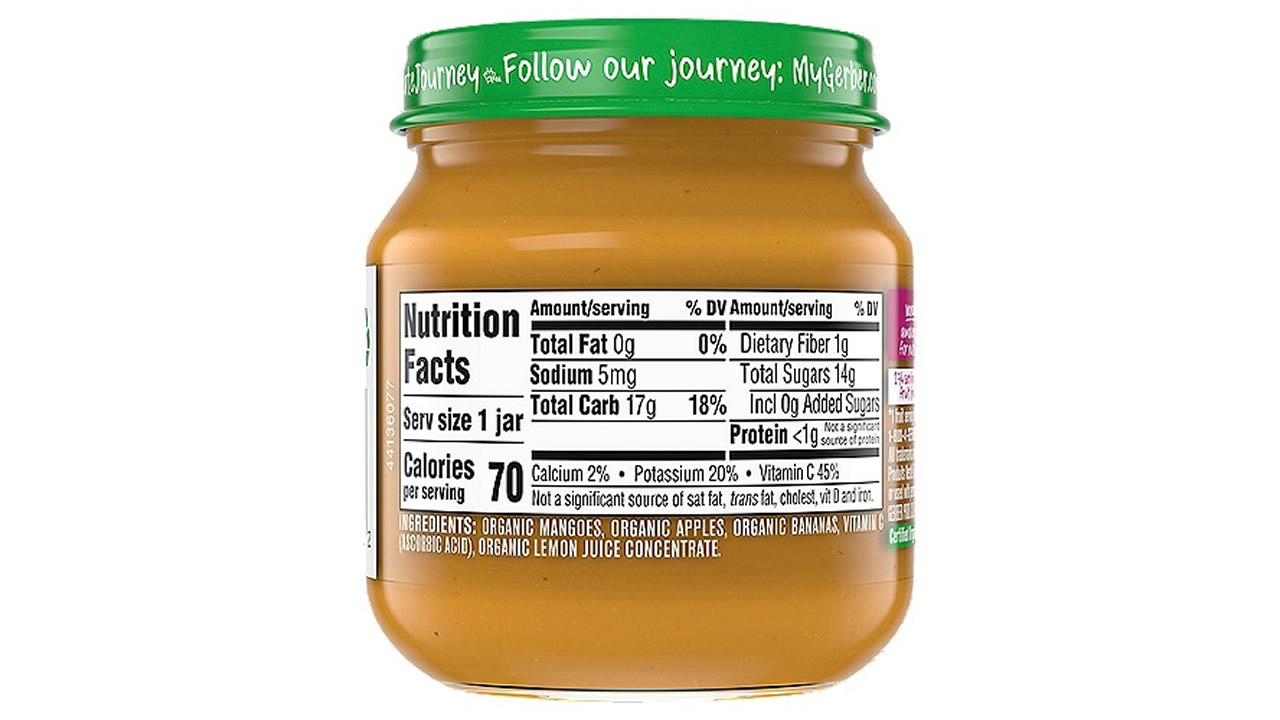
It’s all in the label! The team from Weaning Sense have broken down how to decode a baby food label. They out that there are two sections you want to pay attention to on commercial baby food labels: The ingredients list and nutrition panel.
The ingredients list identifies all the ingredients found in the product. The ingredients that appear first on the list are more prevalent in the product. So, if you’re buying a pouch of puréed butternut, ‘butternut’ should be the first item listed. Generally, you want to avoid any food that contains added salt and sugar but be especially wary of products that list salt and sugar as one of the first ingredients on the list as it means the product is particularly high in salt/sugar.
What to avoid when buying baby food
There are certain additives you want to avoid
- MSG
- Sodium benzoates
- Cyclamates
- Azo dyes
- Tartrazine
- Sulphur dioxide
- Added sugars
- Salt
- Modified starch
When buying baby food, try to keep it as simple and natural as possible. If you can’t pronounce the ingredient, you shouldn’t be giving it to your baby. An easy way to minimise the risk of baby foods containing added sugar, salt and bad fats is to choose single-ingredient jars instead of combined ‘dinner-type’ products.

















Leave a comment