

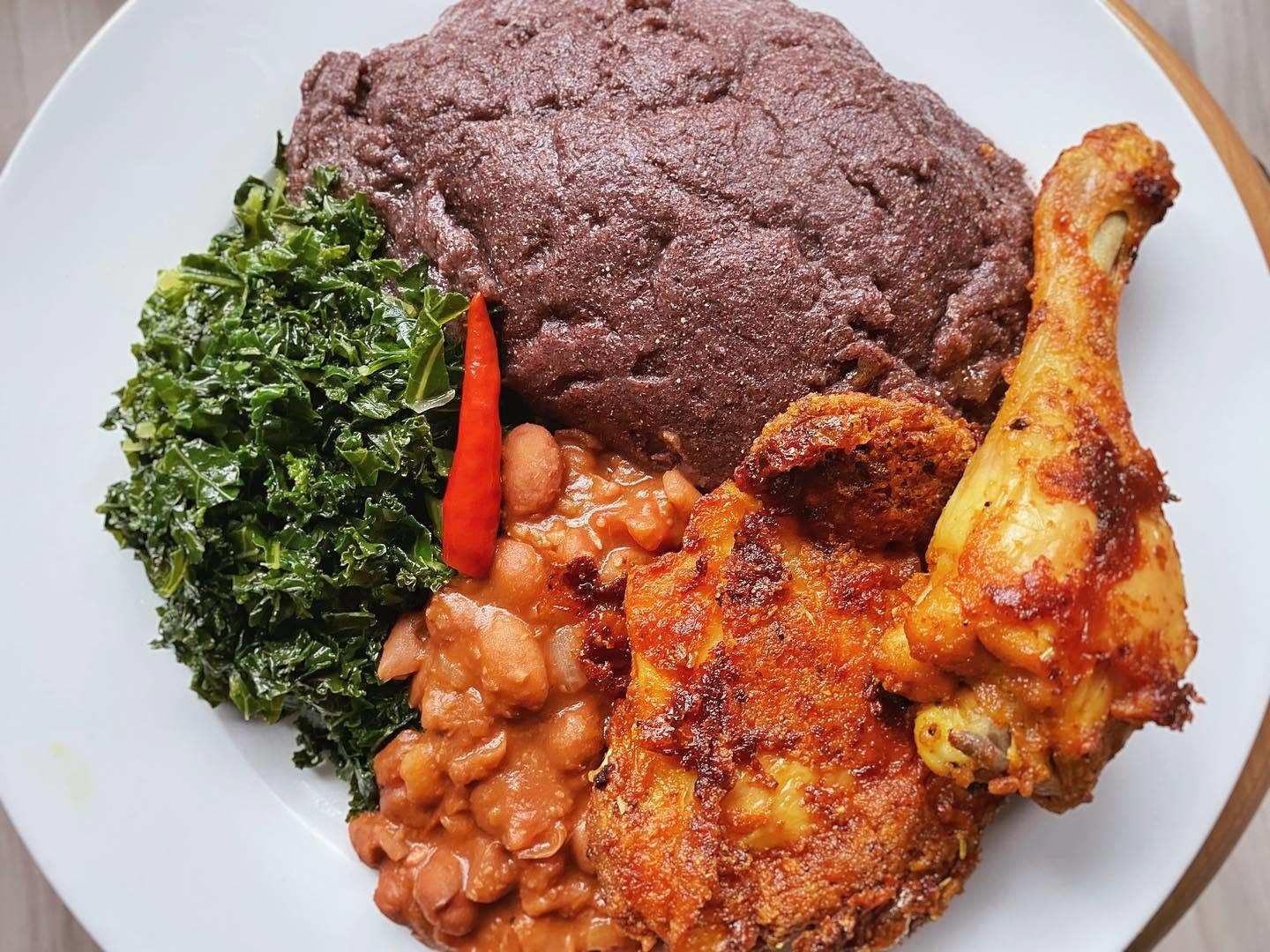
Long before maize meal became a familiar staple in most kitchens, emabele (sorghum) was an important part of the traditional diet. For generations, this humble grain found its way into everyday meals, porridges, fermented foods and traditional beverages, making it more than just a crop but part of our culinary heritage.
Sorghum remains deeply rooted in Eswatini’s food culture. The country’s food composition tables document several traditional sorghum foods, including indengane yemabele, incwancwa yemabele, emahewu emabele and liphalishi lemabele.
For previous generations, food was closely connected to the land and the seasons. What was grown, harvested and stored at home often determined what appeared on the table. Sorghum was valued for its versatility and could be processed into meal for porridge or prepared through fermentation for traditional foods and drinks.
Over time, however, the country’s eating habits changed. Maize meal became increasingly dominant, while sorghum gradually became less common in many modern kitchens. Yet, while some traditional foods have slipped into the background, there is growing value in looking back at what our grandparents ate and finding ways to bring those flavours into today’s homes.
Sorghum pap is one simple place to start.
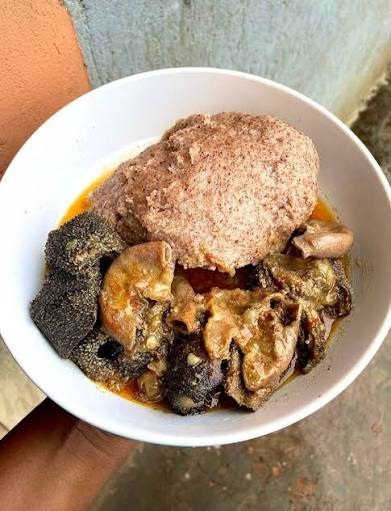
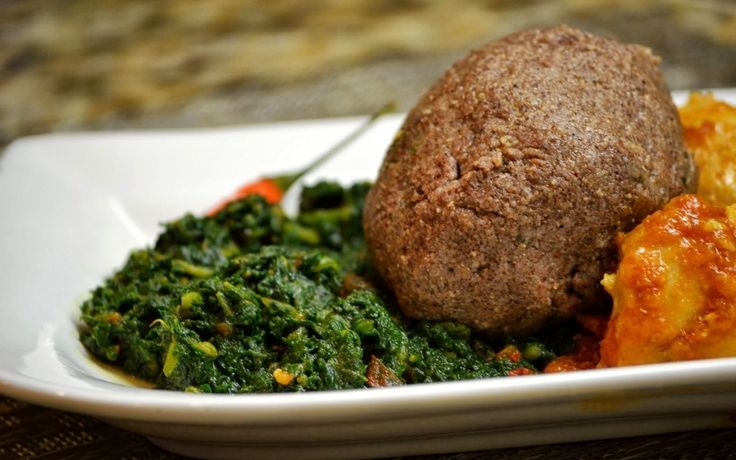
With its distinctive earthy flavour, sorghum pap offers an alternative to the familiar maize meal pap. It can be enjoyed with vegetables, meat, traditional relishes or emasi, creating a meal that is both comforting and deeply connected to local food traditions.
Rediscovering emabele is not about replacing the foods we eat today. It is about remembering that our culinary heritage is rich with ingredients that deserve a place on the modern table.
So, this week, why not take a step back into the traditional kitchen and give emabele a place on your table?
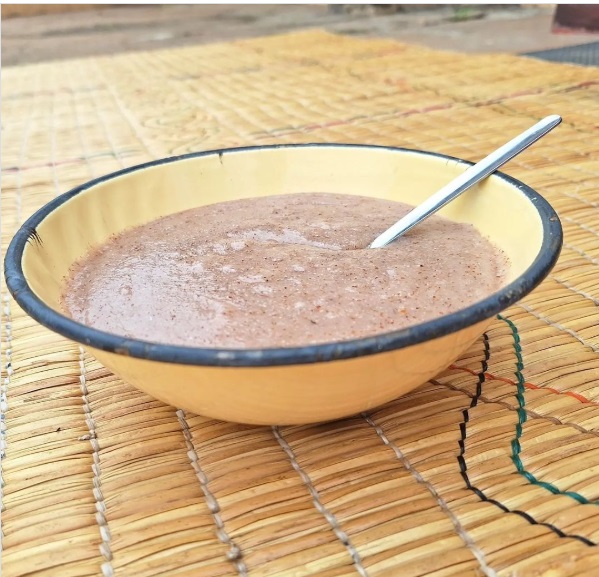
Sorghum Pap (Liphalishi lemabele)
Made from sorghum meal, it has a distinctive earthy flavour and can be enjoyed with savoury dishes or traditionally paired with emasi.
Ingredients
2 cups sorghum meal
4 cups water
½ teaspoon salt, optional
Method
- Bring about 3 cups of water to the boil in a heavy based pot and add the salt if using.
- In a separate bowl, mix the sorghum meal with the remaining cup of water to make a smooth paste. This helps prevent lumps.
- Gradually add the sorghum mixture to the boiling water, stirring continuously with a wooden spoon.
- Reduce the heat, cover the pot and allow the pap to cook gently.
- Stir occasionally to ensure that it does not stick to the bottom of the pot.
- Continue cooking for about 30 to 45 minutes, or until the pap is thick, cooked through and has firm consistency. Traditional sorghum pap recipes similarly use prolonged cooking and regular stirring.
- Serve hot with your favourite relish, meat or vegetables. For a distinctly traditional combination, enjoy it with emasi.
Kitchen tip: Sorghum pap tends to have a more pronounced, earthy taste than maize meal pap. If you are trying it for the first time, serve it alongside a rich stew or emasi, which balances its flavour beautifully.


















Leave a comment