

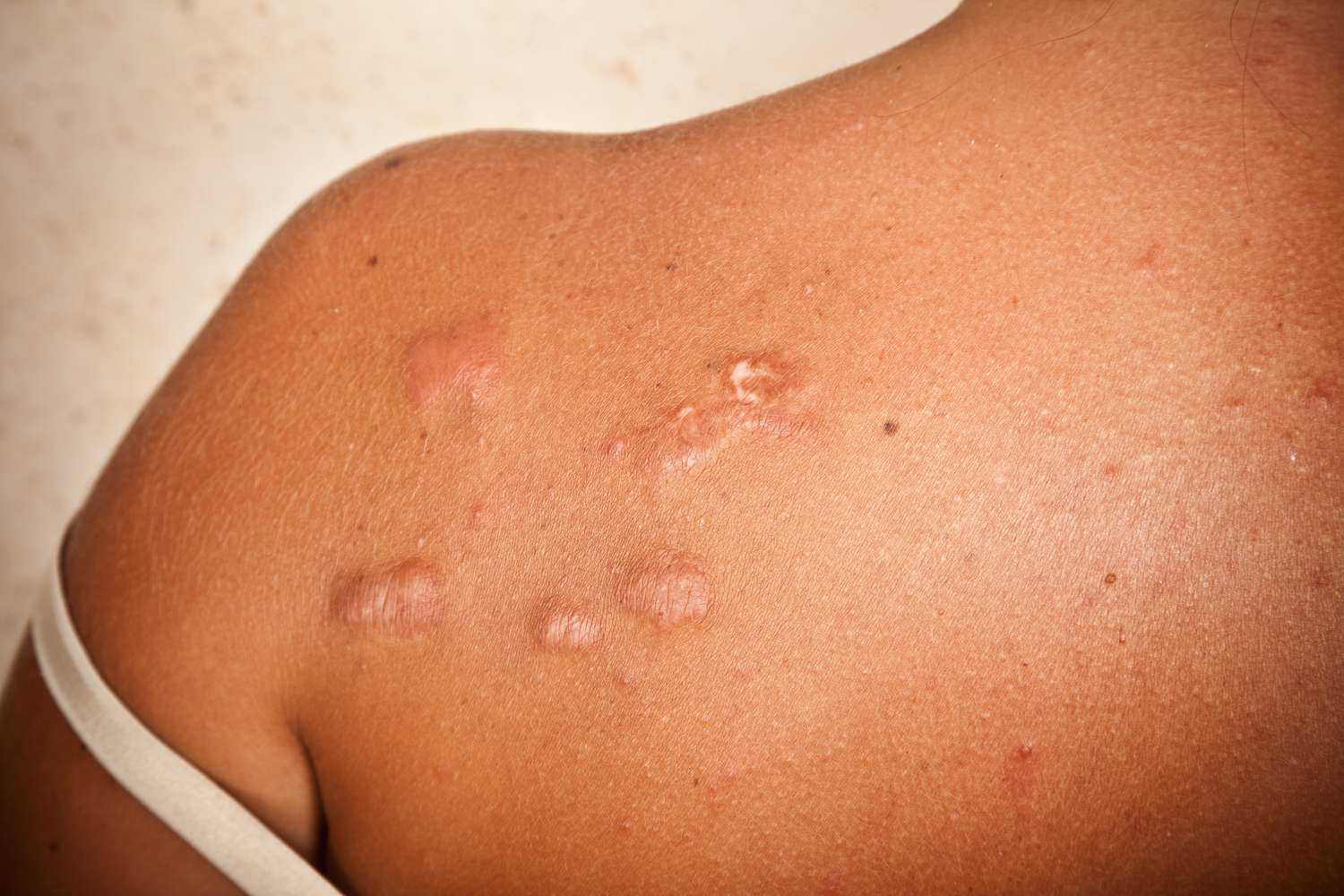
When we think of scars, we often expect them to fade quietly over time. But for many people, that isn’t always the case. Instead, they notice thick, raised scars that grow beyond the original wound, sometimes itchy, painful, or simply unsightly. These are known as keloids, and they’re more common than you might think.
To help us understand this unique skin response, we spoke with InnocentiaNdzinisa, a practicing dermatologist and skin care expert, who shed light on what keloids are, what causes them, and whether they can be prevented.
What are keloids?
“Keloids are a type of abnormal scar,” explained Ndzinisa“Unlike normal scars that heal and flatten over time, keloids continue to grow, sometimes long after the wound has closed. They can become much larger than the original injury.”
Keloids are often shiny, rubbery in texture and can vary in colour from pink to dark brown, depending on your skin tone. They can appear anywhere, but are most commonly found on the chest, shoulders, earlobes, cheeks and upper arms.
What causes keloids?
Ndzinisa mentioned that the exact cause isn’t fully understood, but they result from an overproduction of collagen during the healing process. “In simple terms, the body’s healing response goes into overdrive,” she said. “Instead of stopping collagen production when the wound closes, the skin keeps producing it, leading to this raised, dense scar tissue.”
While anyone can develop keloids, some people are more prone than others. Risk factors include:
• Genetics: If your parents had keloids, you may be more likely to develop them too.
• Skin tone: People with darker skin tones particularly those of African, Asian, or Hispanic descent are at higher risk.
• Age: Keloids are more common between the ages of 10 and 30.
• Injury types: Piercings, acne, burns, surgical cuts, and even chickenpox can all trigger keloid formation.
Can I prevent them?
“Keloids can be difficult to prevent entirely, especially if you’re genetically predisposed,”Ndzinisa. “But there are steps you can take to reduce your risk.”
Preventive tips include:
• Avoid unnecessary skin trauma: Think twice before getting tattoos or piercings, especially if you've had keloids before.
• Treat wounds early: Clean and cover cuts and avoid picking at scabs or acne.
• Use pressure earrings or silicone sheets: These are sometimes recommended after surgery or piercings to reduce the risk of keloid formation.
If you know you’re prone to keloids, it’s worth discussing options with a dermatologist before undergoing elective skin procedures.
Types of scars vs keloids
It’s also important to differentiate keloids from other types of scars:
• Hypertrophic scars: These are also raised, but unlike keloids, they stay within the boundaries of the original wound and may flatten over time.
• Keloid scars: These extend beyond the wound, continue to grow and rarely resolve without treatment.
• Atrophic scars: These appear as indentations in the skin commonly seen with acne or chickenpox.
• Contracture scars: Often caused by burns, these can tighten the skin and affect movement.
Treatment options
Treating keloids can be challenging, and unfortunately, they can recur. However, there are options available:
Steroid injections: These are often the first line of treatment to flatten the scar.
Cryotherapy: Freezing the keloid with liquid nitrogen can reduce its size.
Laser treatment: Helps reduce redness and flatten the scar.
Surgical removal: Sometimes effective, but often used in combination with other treatments to prevent recurrence.
“There’s no one-size-fits-all solution,” said Ndzinisa. “But working with a dermatologist early can help manage keloids and prevent them from worsening.”
If your scars don’t heal like you expect or start to grow beyond the original wound it’s worth getting them checked out. Keloids aren’t harmful in most cases, but they can impact your confidence or cause discomfort. Understanding what they are and how to manage them is the first step toward healthier skin.



















Leave a comment