

In the formative years of a child’s life, play is far more than a pastime; it is the fundamental way they learn to navigate the world. While any toy can provide entertainment, educational toys are intentionally designed to stimulate specific developmental milestones.
Educational learning toys are specially designed to stimulate a child’s mind, promoting learning in a fun and interactive way. However, what makes a toy educational? Typically, educational learning toys will engage a child in activities that require thought, decision-making and problem solving, all while being enjoyable. They encourage creativity, role play and imagination, which are crucial for a child’s overall growth.
Understanding why educational toys are important can help you appreciate the impact these tools have on a child’s life. Children learn best through play and educational toys bridge the gap between fun and learning. They are vital in fostering social skills, enhancing communication skills and promoting cognitive development.
By offering children toys that promote learning, you provide them with the tools they need to understand the world around them.
1. Cognitive and STEM foundation
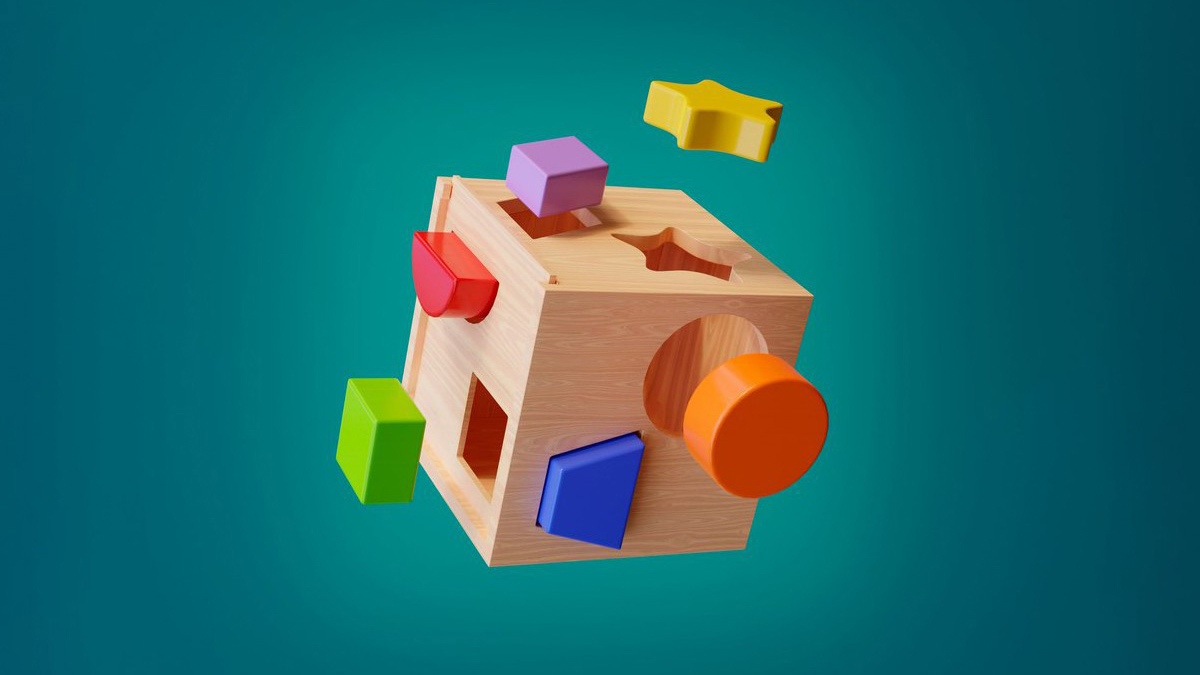
Educational toys, such as building blocks, magnetic tiles, and simple coding robots, are essential for developing problem-solving skills. When a child figures out how to balance a tower or fit a specific shape into a sorter, they are practicing executive function, the brain’s ability to plan and execute tasks. The focus has shifted towards toys that promote spatial reasoning, a skill directly linked to future success in mathematics and engineering.
2. Fine and Gross Motor Mastery
From lacing beads to balance bikes, toys provide the resistance and feedback necessary to master physical movements. Fine motor toys strengthen the small muscles in the hands, preparing children for the dexterity required for writing. Meanwhile, active play equipment builds gross motor skills, improving balance and proprioception, the internal sense of where one’s body is in space.
3. Social and Emotional Intelligence (SEL)
Perhaps the most vital role of toys is in Social-Emotional Learning. Cooperative games and pretend play sets (like play kitchens or dolls) allow children to rehearse empathy, negotiation and conflict resolution. These toys create a safe environment to practise self-regulation, learning to wait for a turn or handle the frustration of a puzzle that won’t quite fit.
The 90/10 Rule
The most effective educational toys follow the 90/10 rule: The toy should be 10 per cent of the action, and the child should be 90 per cent. When a toy does too much (flashing lights and constant noise), the child becomes a passive observer. When a toy is simple and open-ended, the child becomes the active architect of their own development. Additional information sourced from tptoys.com



















Leave a comment