

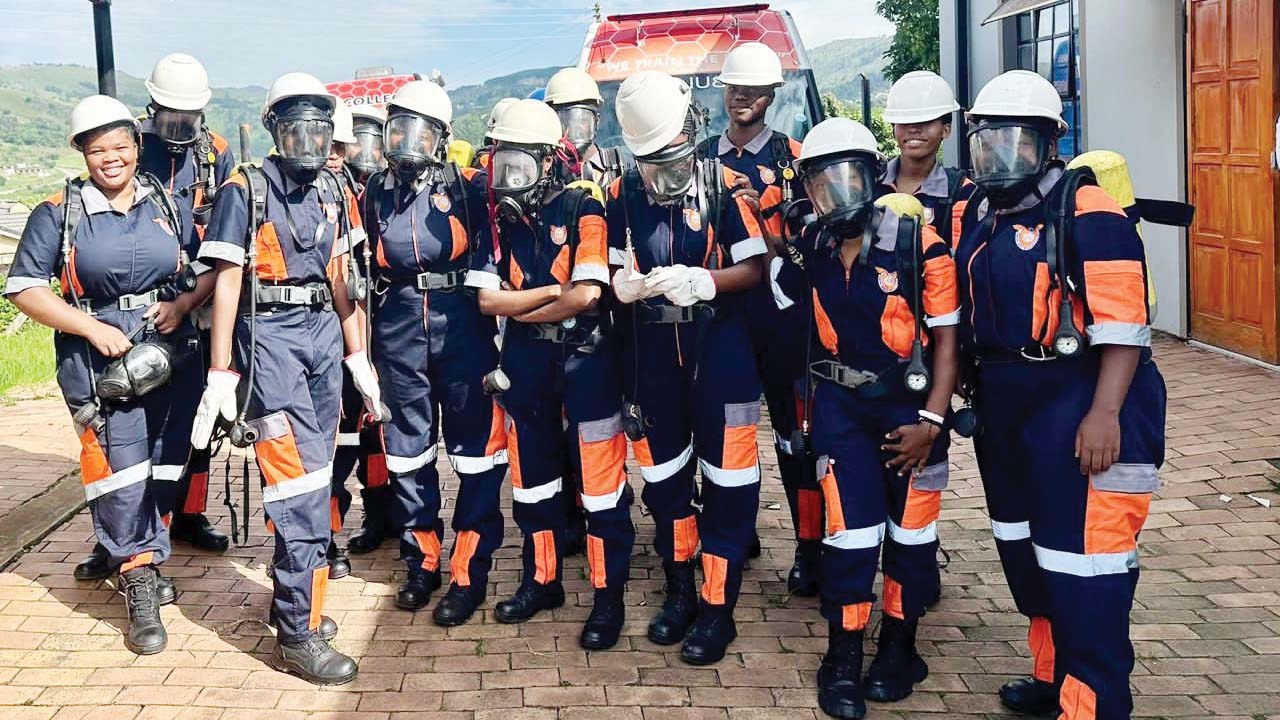
As Eswatini continues to strengthen its healthcare systems, workplace safety standards and disaster response capacity, the need for highly trained professionals has never been greater. Emergency Medical Rescue College (EMRC) is answering this call by opening applications for its 2026 intake, offering specialised Bachelor’s Degree programmes designed to produce industry ready graduates equipped for leadership and frontline service. With full registration and accreditation from the Eswatini Higher Education Council (ESHEC), EMRC ensures that all its qualifications meet national quality standards and are recognised across both public and private sectors.
Bachelor’s Degree
Programmes Designed for Impact
EMRC offers four comprehensive Bachelor’s Degree programmes that combine theoretical knowledge, simulation-based training, field exposure and professional ethics. Each programme is tailored to address critical national needs.
BSc in Public Health
Public health plays a crucial role in disease prevention, health promotion and community well-being. This programme develops professionals who understand population health and evidence-based interventions.
Key areas of study include:
- Epidemiology
- Health promotion strategies
- Disease prevention and control
- Health systems management
- Community health assessment
- Research methods and data analysis
Graduates may work in:
- Government health departments
- Community health programmes
- NGOs and international health agencies
- Health policy and research institutions
- Occupational and environmental health settings
- This qualification equips graduates to address public health challenges at both community and national levels.
- BSc in Disaster Risk
- Reduction & Management
- As climate change and environmental risks increase, disaster preparedness has become a national priority.
- This programme focuses on proactive disaster planning and resilience building.
Students study:
- Disaster risk assessment and analysis
- Climate change adaptation strategies
- Emergency planning and coordination
- Humanitarian response systems
- Community resilience development
- Policy and disaster governance
Graduates can pursue careers in:
- Government disaster management agencies
- NGOs and humanitarian organisations
- Environmental and climate agencies
- Municipal planning departments
- Risk management consultancies
- The programme empowers professionals to move beyond emergency response and focus on prevention,mitigation and sustainable development.
- BSc in Occupational Health and Safety
- This programme prepares students to protect workers, organisations, and communities from occupational hazards.
Students are trained in:
- Workplace risk assessment and hazard identification
- Occupational health legislation and compliance
- Industrial hygiene and environmental monitoring
- Incident investigation and reporting
- Safety management systems
Fire prevention and emergency planning graduates are equipped to work as:
- Occupational health and safety officers
- Safety managers
- Risk and compliance Officers
- Environmental Health and Safety consultants
- SHEQ Officers (Safety, Health, Environment & Quality) With growing industrial development in Eswatini, trained safety professionals are essential to ensure compliance and protect lives.
- Bachelor of Health
- Science in Emergency
- Medical Care and Rescue
- This programme prepares advanced emergency care practitioners capable of delivering lifesaving interventions in high pressure environments.
Students receive training in:
- Advanced life support procedures
- Trauma and critical care management
- Pre-hospital emergency care
- Ambulance operations and rescue techniques
- Disaster and mass casualty response
Clinical decision making in emergency settings Practical exposure includes simulation labs and field training, preparing graduates for employment in:
- Ambulance services
- Hospitals and emergency departments
- Rescue units
- Disaster response teams
- Air and specialised rescue services
- This qualification develops professionals ready to operate confidently in ambulances, hospitals and disaster zones.
- A Practical, Career
- Focused Approach
EMRC emphasises:
- Simulation-based learning
- Real world field exposure
- Ethical and professional conduct
- Leadership development
- Industry aligned curriculum
- Graduates are not only academically qualified but practically competent, able to function effectively in high pressure and lifesaving environments.
2026 National Outreach Tour: Apply onsite
To ensure accessibility and bring higher education closer to communities, EMRC will conduct a nationwide application tour, allowing prospective students to apply onsite and consult directly with college representatives.
Tour dates and locations:
- Mbabane – February 23
- Manzini – February 24-25
- Nhlangano – February 26-27
- Siteki – March 2
- Buhleni – March 3
Building Eswatini’s Future Professionals
By aligning its programmes with national development goals, EMRC continues to contribute meaningfully to strengthening Eswatini’s healthcare systems, workplace safety standards and disaster management capacity.
The 2026 intake presents an opportunity for aspiring professionals to pursue accredited, career focused education in fields that directly impact lives and communities.
Prospective students are encouraged to take advantage of the national tour or contact the College directly at +268 7872 1887 for further information about admissions and entry requirements.















Leave a comment